How To Start A Vertical Garden At Home
Learn how to start a vertical garden at home with this comprehensive guide. Discover the best systems, materials, plants, and tips to maximize your urban growing space.
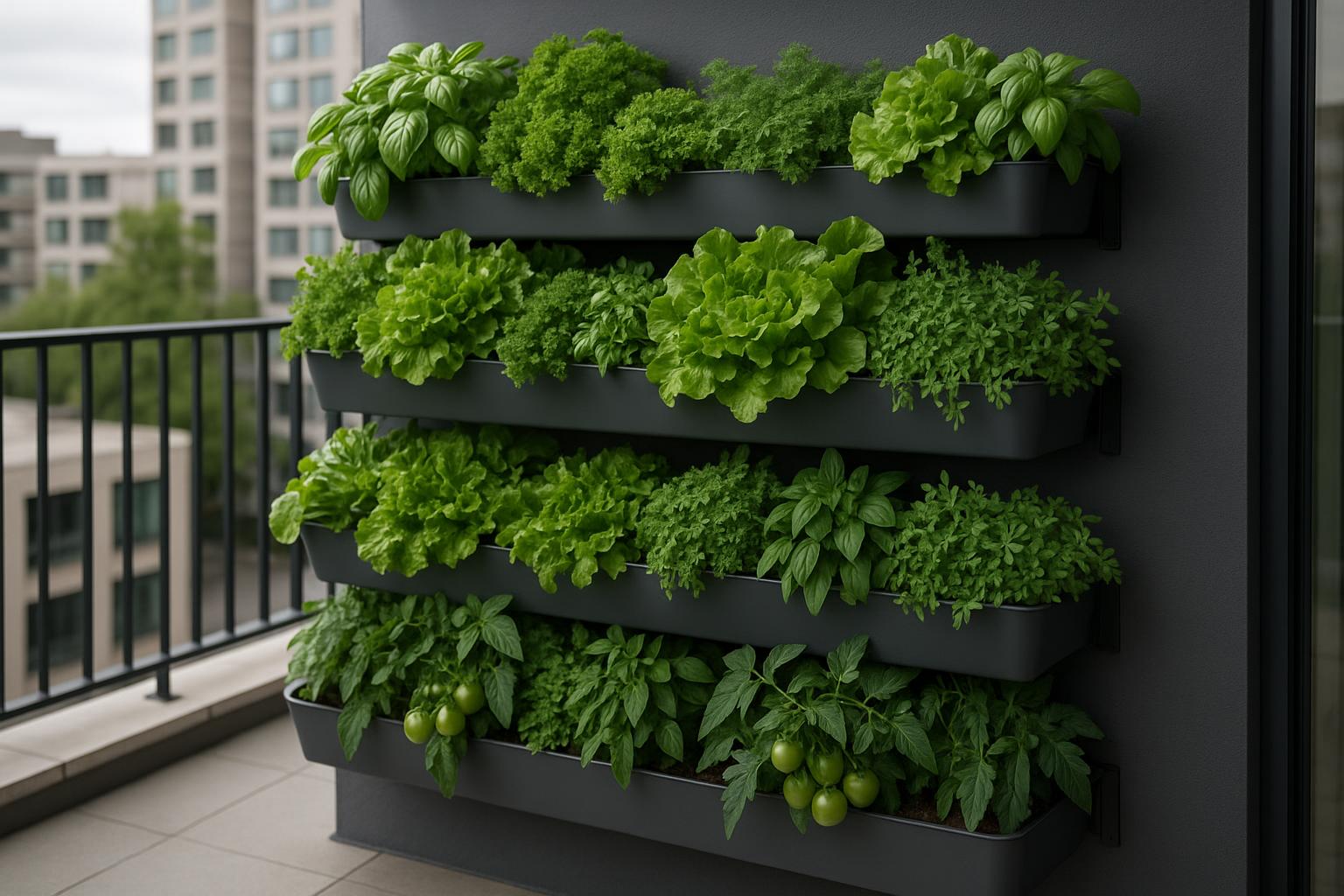
Your Ultimate Guide on How to Start a Vertical Garden at Home
Quick Summary: Vertical gardening is a revolutionary way to maximize your growing space, especially in urban environments. This comprehensive guide will walk you through everything you need to know, from choosing the right system and selecting the best plants to setting up your structure and avoiding common beginner mistakes. By the end, you'll have the confidence and knowledge to transform a small balcony, patio, or even an indoor wall into a lush, productive green oasis.
Vertical gardening is a smart, space-saving solution for modern gardeners, allowing you to cultivate a surprising amount of produce, herbs, and flowers in a minimal footprint. By leveraging vertical space, you can enjoy fresh, homegrown ingredients right outside your door, even in a tiny apartment or with a cramped patio. Let's dive into the practical steps on how to start a vertical garden at home and make your green dreams a reality.
Planning Your Vertical Garden Oasis
Choosing the Perfect Location
The location of your vertical garden is the single most important factor for plant health. Most edible plants require at least six hours of direct sunlight per day. Observe the sun's path to determine the best spot. For indoor gardens, a bright window is a start, but you will likely need to supplement with full-spectrum LED grow lights. Always consider the weight and water drainage of your system, especially on balconies or indoors.
Selecting the Right Vertical Garden System
The system you choose will depend on your budget, space, and plant type. Here are the four main categories: Modular and Pocket Systems (easiest for beginners, great for herbs, but dry out quickly); Trellis and Support Systems (traditional, cost-effective for vining vegetables, requires manual training); Stacked Planters and Towers (space-efficient for leafy greens, but bottom plants get less light); and Hydroponic and Aeroponic Systems (advanced, fastest growth, but higher cost and technical knowledge required).
Gathering Your Materials and Supplies
Once you have a plan, it’s time to gather the necessary components. We focus on the types of materials, not specific brands, to keep the advice practical and universal.
Essential Materials for Your Vertical Garden
The materials you need will vary, but a few items are universal: a durable Structure (frame, grid, or planters); Containers/Pockets with adequate drainage; a high-quality, lightweight Growing Medium (potting mix for soil, inert medium for hydroponics); and a Watering System (simple can or, preferably for larger walls, a drip irrigation system with a timer).
H2: The Best Plants for Vertical Success
Choosing the right plants is critical when learning how to start a vertical garden at home. Focus on shallow-rooted, compact, or vining varieties that are suited for the limited space and unique watering conditions of a vertical setup.
| Plant Category | Recommended Varieties | Best System Type |
|---|---|---|
| Leafy Greens | Lettuce (loose-leaf varieties), Spinach, Kale, Swiss Chard | Modular, Stacked Towers |
| Herbs | Basil, Mint, Thyme, Oregano, Chives, Parsley | Modular, Pocket Systems |
| Vining Veggies | Cucumbers (bush or mini varieties), Pole Beans, Peas, Small Squash | Trellis, Arbors |
| Fruits | Strawberries (everbearing varieties) | Stacked Towers, Modular |
| Ornamentals | Succulents, Ferns, Pothos, Spider Plants | Modular, Pocket Systems |
- Tip: When growing vining plants on a trellis, choose determinate (bush) varieties of tomatoes or mini-cucumbers, as they are easier to manage vertically than their sprawling counterparts.
Step-by-Step Setup and Installation
With your materials ready, the installation process can begin.
Assembling and Securing Your Structure
Safety and stability are paramount. A fully watered vertical garden can be surprisingly heavy. Secure the frame to a wall that can support the weight, using heavy-duty mounting hardware. Leave a small gap (about an inch) between the system and the wall to allow air to circulate, preventing moisture buildup.
Planting Your Vertical Garden
The planting process is similar to traditional container gardening. Fill your containers with lightweight potting mix, gently transplant your seedlings, and for pocket systems, plant at a slight angle. Water thoroughly until you see drainage.
Installing the Watering System
Consistent watering is the biggest challenge when you start a vertical garden at home. Gravity pulls water down quickly, and the top containers dry out much faster. We highly recommend a Drip System with a timer, which installs a simple drip line along the top row with small emitters in each container. If watering manually, focus on the top row and ensure the water slowly trickles down.
Maintenance and Troubleshooting
A vertical garden requires regular attention, but the maintenance is straightforward.
Feeding and Pruning for Maximum Yield
Nutrients are depleted quickly in vertical gardens. Start feeding your plants with a balanced, water-soluble liquid fertilizer about two weeks after planting, applying it every 10-14 days. Regular pruning is also essential to maintain shape and encourage new growth.
Common Mistakes to Avoid
Being aware of these common pitfalls will help you succeed in your vertical gardening journey:
- Neglecting Drainage: This is the number one killer of container plants. Ensure every container has a drainage hole and that water can escape the system entirely. If water pools, roots will suffocate and rot, leading to plant death.
- Underestimating Weight: Never take the weight of a fully watered system lightly. A vertical garden full of wet soil and mature plants can weigh hundreds of pounds. Always use heavy-duty mounting hardware and over-engineer your support structure for safety and longevity.
- Inconsistent Watering: Vertical gardens dry out significantly faster than in-ground beds due to increased air exposure. Use a moisture meter daily to check the soil, and seriously consider an automated drip system for consistent moisture, especially during hot summer months.
- Overcrowding: Resist the urge to plant too many seedlings in one container. Overcrowding leads to poor air circulation, which invites fungal diseases like powdery mildew, and reduces the yield of each individual plant. Give your plants room to breathe and grow to their full potential.
- Ignoring Light Requirements: Placing a sun-loving plant in a shady spot is a recipe for failure. Match your plant selection to the light conditions of your chosen location. Remember, sun-loving vegetables need at least six hours of direct light to produce a good harvest.
Specific Tips for Urban Gardeners
For those of us gardening in the city, a few extra tips can make all the difference:
- Pest Management: Pests can still find your vertical garden, but the vertical nature makes them easier to spot. Use natural deterrents like neem oil or insecticidal soap at the first sign of trouble. Introducing beneficial insects can also be a great organic solution.
- Wind Protection: If your balcony or patio is exposed to strong winds, secure your structure firmly to prevent it from toppling. Consider a partial windbreak, such as a section of lattice or a clear plastic sheet, to protect delicate plants from being battered.
- Water Runoff: Be a good neighbor! If you are on a balcony or patio, you must ensure your watering system does not drip onto the unit below. Use a collection tray beneath your system or opt for a closed-loop hydroponic system to manage all water runoff responsibly.
- Noise and Privacy: A vertical garden can double as a beautiful, natural privacy screen, dampening city noise and creating a more tranquil space. Choose dense, leafy plants for the best effect.
Conclusion: Grow Up, Not Out
Learning how to start a vertical garden at home is an incredibly rewarding journey. It allows you to create a vibrant, productive space where you thought none existed. You have the knowledge; now all you need is to take the first step.
We encourage you to plan your layout, choose your plants, and start building your vertical masterpiece today. To help you map out your new vertical space and track your planting schedule, be sure to use the Urban Grow Planner tool. It’s the perfect companion for maximizing your yield and enjoying the freshest produce the city has to offer. Happy growing!
References
[1] Roots and Refuge Farm. A Complete Guide to Vertical Gardening (On a Budget!). https://rootsandrefuge.com/vertical-gardening-on-a-budget/ [2] Gardenary. The Complete Guide to Vertical Gardening. https://www.gardenary.com/blog/the-complete-guide-to-vertical-gardening [3] The Spruce. 28 Unique DIY Vertical Garden Ideas to Try. https://www.thespruce.com/diy-vertical-garden-ideas-7481062 [4] Citified Farms. 8 Mistakes to Avoid as a Vertical Hydroponic Systems Gardener. https://citifiedfarms.com/8-mistakes-to-avoid-as-a-vertical-hydroponic-sytems-gardener/
Related Articles
How To Start Urban Farming For Beginners
Ready to grow your own food? Learn how to start urban farming for beginners with this comprehensive guide on planning, small-space techniques, essential equipment, and common mistakes to avoid.
Balcony Garden Ideas For Beginners
Discover the ultimate balcony garden ideas for beginners! Learn how to maximize small spaces with vertical gardening, choose the best easy-to-grow plants, and avoid common mistakes. Start your urban oasis today!
Container Gardening For Beginners Step By Step
Start your urban garden with this step-by-step guide to container gardening for beginners. Learn about choosing pots, soil, plants, watering, and avoiding common mistakes.
How To Grow Vegetables On Apartment Balcony
Learn how to grow vegetables on apartment balcony with this ultimate guide. Get tips on sun, containers, soil, and the best compact crops for a successful urban garden.