How To Start Hydroponic Garden At Home
Learn how to start a hydroponic garden at home with this comprehensive, step-by-step guide. Discover the best systems, essential equipment, and common mistakes to avoid for a thriving, soil-free indoor garden.
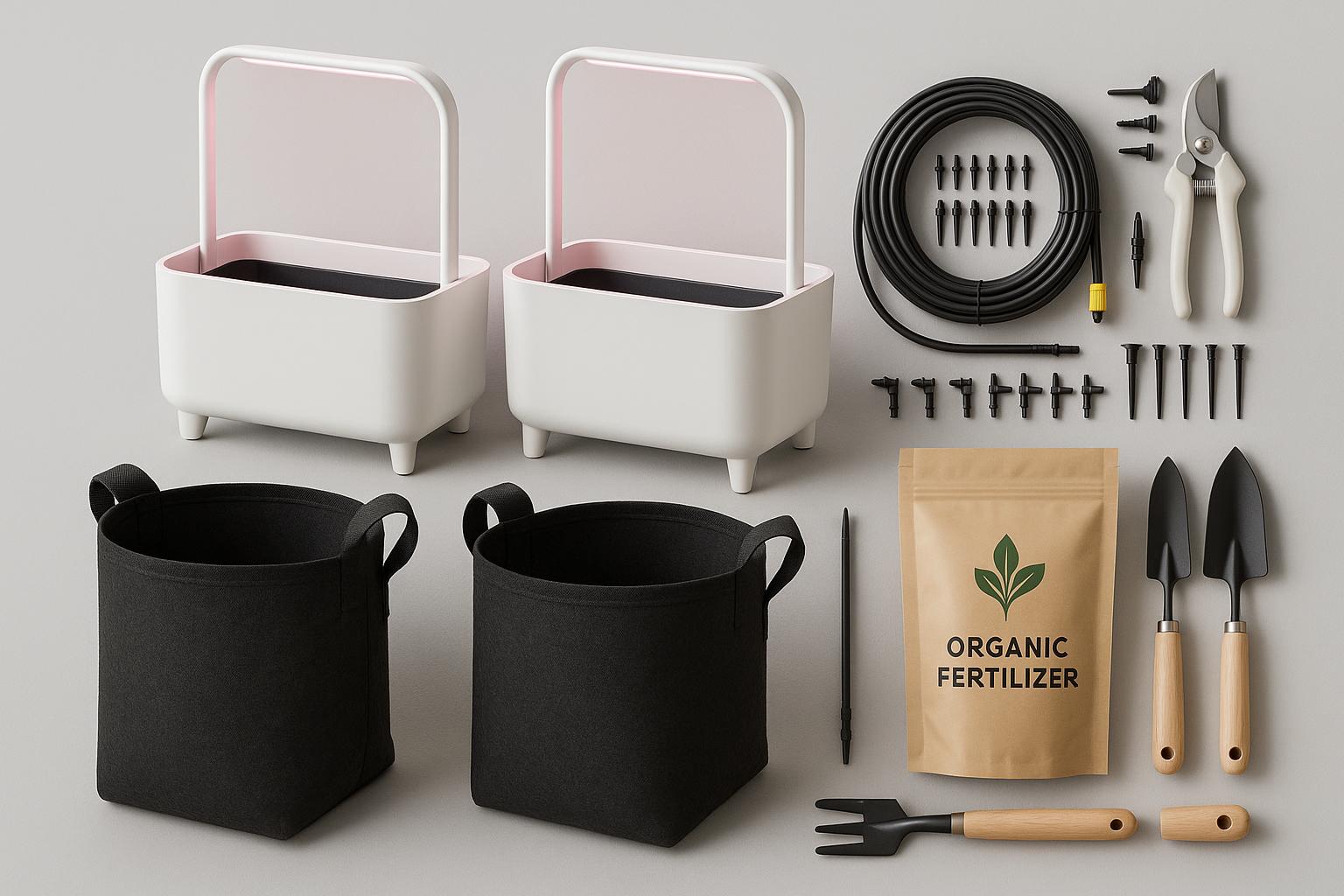
Your Ultimate Guide on How to Start a Hydroponic Garden at Home
Quick Summary: Starting a hydroponic garden at home is easier than you think and a perfect solution for urban gardeners. This comprehensive guide breaks down the process into five simple steps: choosing the right system, selecting your plants, gathering essential equipment, setting up your system, and mastering the maintenance routine. You'll learn about beginner-friendly systems like Deep Water Culture (DWC), the best plants to start with, and crucial tips for managing pH and nutrients to ensure a thriving, soil-free harvest right in your kitchen or balcony.
The Hydroponic Advantage: Why Go Soilless?
Hydroponics is the revolutionary method of growing plants without soil, using only mineral nutrient solutions dissolved in water. For anyone living in a city or with limited outdoor space, this technique is a game-changer. It allows you to grow fresh, healthy produce year-round, regardless of the weather outside.
The core benefit of hydroponics is efficiency. Because the nutrient solution is delivered directly to the roots, plants don't waste energy searching for food and water. This often leads to faster growth rates and higher yields compared to traditional soil gardening. Furthermore, you eliminate the mess of soil, reduce water consumption significantly, and minimize the risk of soil-borne pests and diseases, making it an incredibly clean and sustainable way to garden indoors.
Step 1: Choosing the Right Hydroponic System for Beginners
The first and most important decision you'll make when you start a hydroponic garden at home is selecting the right system. There are several types, but for a beginner, simplicity and low cost are key. We recommend focusing on two of the most straightforward methods to get you started without feeling overwhelmed.
Deep Water Culture (DWC): The Easiest Start
Deep Water Culture, or DWC, is arguably the simplest hydroponic system available. It involves suspending the plant roots in a nutrient-rich water solution. The plant is held in a net pot with an inert growing medium, and an air stone connected to an air pump oxygenates the water. This constant oxygen supply is vital for healthy root growth and nutrient uptake.
DWC systems are inexpensive to set up and maintain, making them ideal for growing leafy greens like lettuce, kale, and herbs. The primary components you'll need are a dark, light-proof reservoir, net pots, and a reliable air pump with an air stone. This system is a fantastic way to learn the basics of nutrient and pH management before moving on to more complex setups.
Wick Systems: Passive and Low-Maintenance
If you are looking for a system that requires absolutely no electricity, the wick system is your best bet. This passive method uses a wick (usually nylon or felt) to draw the nutrient solution from a reservoir up into the growing medium. It's a simple, set-it-and-forget-it approach that is perfect for small herbs and microgreens.
While incredibly easy, the wick system is not suitable for large, water-hungry plants like tomatoes or peppers. It's best used for small-scale projects where you want to grow just a few plants on a windowsill. The simplicity of the design means there are very few parts that can fail, offering a truly hassle-free introduction to soilless gardening.
Nutrient Film Technique (NFT): Scaling Up
The Nutrient Film Technique (NFT) is a more advanced system that is popular in commercial operations but can be adapted for home use. It involves a shallow stream of nutrient solution flowing over the plant roots in a channel or tube. The roots are not submerged, but rather a thin "film" of nutrient solution provides them with everything they need.
NFT is excellent for plants with small root systems, such as lettuce and strawberries. It requires a submersible pump to move the solution and a slight slope to ensure the water flows back to the reservoir. While it offers great efficiency, it is more susceptible to power outages, as the roots can dry out quickly without the constant flow of the nutrient film.
Step 2: What to Grow? Best Plants for Home Hydroponics
Once you have your system chosen, the next exciting step is deciding what to grow. For your first hydroponic venture, it is highly recommended to start with plants that thrive in a water-based environment and have lower nutrient demands.
Leafy greens are the undisputed champions of beginner hydroponics. This includes various types of lettuce (butterhead, romaine), spinach, and Swiss chard. They grow quickly, are very forgiving of minor nutrient fluctuations, and are perfect for DWC or NFT systems. Herbs like basil, mint, chives, and oregano also flourish in hydroponic setups and provide a constant supply for your kitchen.
As you gain confidence, you can move on to fruiting plants. Strawberries are a popular choice for NFT systems. For larger plants like tomatoes, peppers, and cucumbers, you will need a more robust system, such as a Dutch Bucket system, and significantly more powerful lighting and structural support. Always start small and master the basics before attempting more demanding crops.
Step 3: Your Essential Hydroponic Equipment Checklist
Setting up your system requires a few specialized items that are different from traditional gardening tools. Investing in quality equipment from the start will save you a lot of headaches down the line.
The Growing Medium
Since there is no soil, you need an inert medium to support the plant and hold it in the net pot. Popular choices include rockwool cubes, which are excellent for starting seeds and transplanting. Coco coir (coconut fiber) is a sustainable option that holds moisture well. Clay pebbles (also known as LECA) are reusable, provide great aeration, and are often used in DWC and Ebb and Flow systems.
Nutrient Solution
Plants need more than just water; they need a balanced diet of macro and micronutrients. You must use a hydroponic-specific fertilizer—do not use standard garden fertilizer, as it will not dissolve properly and can clog your system. These come in either pre-mixed liquid form or as concentrated powders that you mix with water. Look for a formula tailored to the growth stage of your plants (e.g., a "grow" formula for leafy greens and a "bloom" formula for fruiting plants).
Light Source
If you are growing indoors, natural light from a window is rarely enough. You will need a supplemental light source. LED grow lights are the modern standard, offering high efficiency and a full spectrum of light that mimics the sun. Look for lights with a high Photosynthetic Photon Flux Density (PPFD) rating appropriate for the size of your growing area. Proper lighting is non-negotiable for a successful indoor garden.
Monitoring Tools
Precision is key in hydroponics. You must be able to measure and adjust the two most critical factors: pH and nutrient concentration. A pH testing kit or digital meter is essential for checking the acidity or alkalinity of your water. An EC/TDS meter measures the electrical conductivity (EC) or total dissolved solids (TDS), which tells you the concentration of nutrients in the water. These tools are your eyes and ears for what your plants are experiencing.
Water and Air
For active systems like NFT, you will need a submersible pump to circulate the nutrient solution. For DWC, an air pump and air stone are necessary to keep the water oxygenated, preventing root rot and promoting nutrient uptake. Always use a dark, food-grade reservoir to hold your nutrient solution, as this prevents light from entering and causing algae growth.
Step 4: From Seed to System – Setup and Germination
Learning how to start a hydroponic garden at home begins with successful germination. Unlike soil gardening, you start your seeds in a sterile, inert medium.
Germination
Start your seeds in a small rockwool cube or a similar starter plug. Keep the medium moist and place them in a dark, warm environment until they sprout. Once the first true leaves appear (not the initial seed leaves), they are ready for the next step. This process usually takes about one to two weeks.
System Assembly
Assemble your chosen system according to the manufacturer's instructions or your DIY plan. Fill the reservoir with clean, filtered water. Then, add your hydroponic nutrient solution, following the dilution instructions carefully. Before introducing the plants, you must test the solution. Use your pH meter to ensure the water is in the ideal range of 5.5 to 6.5, and adjust using pH Up or pH Down solutions as needed.
Introducing the Seedlings
Once your seedlings have developed a small root system that is visible outside the starter cube, and the nutrient solution is perfectly balanced, you can transfer them. Place the starter cube into the net pot, and then place the net pot into the system's growing area. Ensure the roots are submerged in the nutrient solution (for DWC) or are touching the flowing film (for NFT).
Step 5: The Daily and Weekly Hydroponic Maintenance Routine
Hydroponics is not a set-it-and-forget-it endeavor; it requires consistent monitoring. Establishing a routine is the secret to a high-yielding, healthy garden.
pH Management (Crucial Tip)
The pH level is the single most important factor in hydroponics. If the pH is too high or too low, your plants cannot absorb the necessary nutrients, even if the nutrients are present in the water. You should check the pH daily, or at least every other day, especially in the beginning. The ideal range for most plants is between 5.5 and 6.5. Use small amounts of pH Up or pH Down solution to make adjustments, waiting a few minutes between additions to allow the solution to mix thoroughly.
Nutrient Strength (EC/TDS)
As your plants grow, they will consume water and nutrients at different rates. Water evaporates, and plants drink, which concentrates the remaining nutrients. You will need to "top off" the reservoir with plain, pH-adjusted water to replace what was lost. Every week or two, you should completely drain the old nutrient solution and replace it with a fresh batch. This prevents the buildup of unwanted salts and ensures your plants are getting a balanced meal. Use your EC/TDS meter to monitor the nutrient concentration, aiming for the levels recommended for your specific crop.
Water and Air Flow
Check your pumps and air stones daily to ensure they are running smoothly. Clogged pumps or air stones can quickly lead to root death. For DWC, make sure the air bubbles are vigorously circulating the water. For NFT, verify that the nutrient film is flowing evenly over all the roots. A quick visual inspection can prevent a major system failure.
Common Mistakes to Avoid When You Start a Hydroponic Garden at Home
Even experienced gardeners make mistakes when transitioning to hydroponics. Being aware of these common pitfalls will significantly increase your chances of success.
- Ignoring pH Levels: This is the number one mistake. A pH imbalance can lock out nutrients, leading to deficiencies that are often misdiagnosed as a lack of fertilizer. Test and adjust religiously.
- Using Tap Water Without Testing: Depending on your location, tap water can be high in chlorine, heavy metals, or have a naturally high pH. If your tap water is consistently above pH 7.5, consider using filtered or reverse osmosis water to give yourself a clean starting point.
- Over- or Under-Dosing Nutrients: More is not better. Too much fertilizer can burn your roots, while too little will starve your plants. Always follow the manufacturer's instructions and use your EC/TDS meter to verify the concentration.
- Not Providing Enough Light: Plants need intense light for photosynthesis, especially in a high-growth environment like hydroponics. Skimping on your LED grow lights will result in tall, spindly, and unproductive plants.
- Skipping Reservoir Changes: While topping off is necessary, a full reservoir change every 7 to 14 days is crucial. This flushes out waste products and ensures a fresh, balanced nutrient profile for optimal growth.
Your Soilless Success Story Starts Now
Taking the leap into hydroponics is an incredibly rewarding experience. It transforms a small space into a productive, year-round garden, providing you with the freshest produce imaginable. By following these steps and paying close attention to your pH and nutrient levels, you are well on your way to mastering this modern gardening technique.
Now that you know how to start a hydroponic garden at home, the next step is to plan your layout and planting schedule. Get started today by using the Urban Grow Planner tool to map out your new hydroponic system, calculate your light needs, and track your first harvest! Happy growing!
Related Articles
How To Start Urban Farming For Beginners
Ready to grow your own food? Learn how to start urban farming for beginners with this comprehensive guide on planning, small-space techniques, essential equipment, and common mistakes to avoid.
Balcony Garden Ideas For Beginners
Discover the ultimate balcony garden ideas for beginners! Learn how to maximize small spaces with vertical gardening, choose the best easy-to-grow plants, and avoid common mistakes. Start your urban oasis today!
Container Gardening For Beginners Step By Step
Start your urban garden with this step-by-step guide to container gardening for beginners. Learn about choosing pots, soil, plants, watering, and avoiding common mistakes.
How To Grow Vegetables On Apartment Balcony
Learn how to grow vegetables on apartment balcony with this ultimate guide. Get tips on sun, containers, soil, and the best compact crops for a successful urban garden.