How To Start Indoor Vegetable Garden
Learn how to start an indoor vegetable garden with this comprehensive guide. Get expert tips on lighting, containers, best plants to grow, and common mistakes to avoid.
Your Complete Guide on How to Start Indoor Vegetable Garden Success
Quick Summary: Starting an indoor vegetable garden is a rewarding way to enjoy fresh, organic produce year-round, regardless of your outdoor space. The key to success lies in mastering four essential elements: light, containers, medium, and consistent care. This comprehensive guide will walk you through the entire process, from choosing the right plants to avoiding common pitfalls, so you can confidently transform a corner of your home into a thriving, edible oasis.
The Essential Ingredients for Indoor Gardening Success
The dream of harvesting fresh basil or crisp lettuce just steps from your kitchen is entirely achievable. However, an indoor garden is a controlled environment, and you must intentionally provide what nature supplies freely outdoors. Understanding these core needs is the first and most crucial step in learning how to start indoor vegetable garden successfully.
Light: The Non-Negotiable Factor
Light is the single most important element for indoor vegetable growth. Without adequate light, your plants will become leggy, weak, and unproductive. While a south-facing window offers the best natural light, it is rarely enough to sustain fruiting vegetables like tomatoes.
For serious indoor gardening, you must invest in supplemental lighting. The best product recommendation for this is full-spectrum LED grow lights. These lights mimic natural sunlight and are highly energy-efficient, producing very little heat. Alternatively, fluorescent shop lights can work well for leafy greens and herbs, provided they are positioned very close to the plants. Most vegetables require a minimum of 14 to 16 hours of light per day to thrive, so using a simple timer is essential for consistency.
Choosing Your Containers and Medium
The container you choose must provide enough space for your plant's root system and, most importantly, allow for proper drainage. Containers can range from simple plastic pots to decorative ceramic planters or even innovative fabric grow bags. If your chosen container lacks drainage holes, you must drill some yourself to prevent root rot, which is a common killer of indoor plants.
The growing medium is equally critical. While standard potting soil is acceptable, many indoor gardeners prefer a lighter, more sterile, and moisture-retentive soilless mix. A popular soilless medium is a blend of coco coir, perlite, and vermiculite. This combination provides excellent aeration, holds moisture without becoming waterlogged, and reduces the risk of soil-borne pests.
What to Grow: Best Vegetables for Indoor Spaces
Choosing the right plants for your indoor environment will significantly increase your chances of success. Start with plants that naturally require less light and space.
Easy-to-Grow Herbs and Greens
Leafy greens and herbs are the superstars of the indoor garden. They are fast-growing, tolerate lower light levels than fruiting plants, and offer a continuous harvest.
- Lettuce and Spinach: Opt for loose-leaf varieties, which allow you to pick outer leaves as needed, leaving the plant to continue producing.
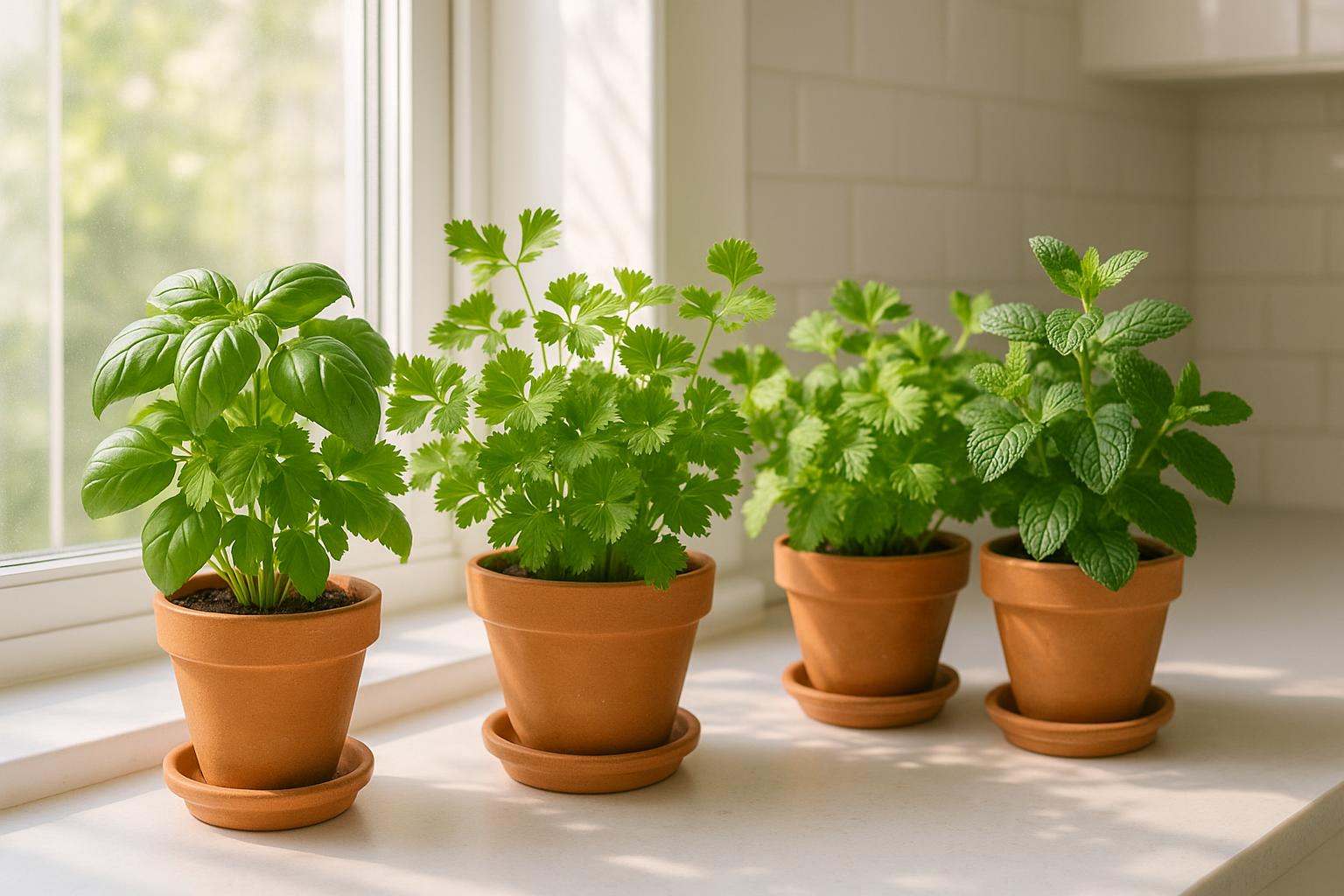
- Basil, Mint, and Chives: These herbs are incredibly prolific indoors. Place them under your grow lights and trim them regularly to encourage bushy growth.
- Microgreens: These tiny seedlings are the fastest return on your investment, ready to harvest in just one to three weeks.
A great tip for these plants is succession planting. Instead of planting all your seeds at once, sow a small batch every two to three weeks. This ensures you have a constant, rotating supply of fresh greens rather than a massive harvest all at once.
Fruiting Plants for the Ambitious Gardener
If you have mastered the basics and can provide intense light, you can move on to fruiting plants. These require more attention but offer a truly satisfying reward.
- Dwarf Tomatoes: Look for "determinate" or "patio" varieties, which are bred to stay small and bushy.
- Small Peppers: Varieties like 'Habanero' or 'Thai Chili' tend to be more compact than bell peppers.
- Strawberries: Alpine strawberries are excellent indoor choices as they don't require as much light as their larger cousins.
The main challenge with fruiting plants indoors is pollination. Since there are no bees or wind, you must become the pollinator. Use a small, soft-bristled artist's paintbrush or a cotton swab to gently transfer pollen from the anther (male part) to the stigma (female part) of each open flower. This simple act is vital for fruit production.
Step-by-Step Guide on How to Start Indoor Vegetable Garden
Now that you have the essential ingredients and have chosen your plants, it's time to put your plan into action. This step-by-step process will guide you through the setup.
Step 1: Planning Your Layout
Indoor gardening is all about maximizing vertical space. Consider using a multi-tiered shelving unit—the kind often used for garage storage—to create a vertical farm. This allows you to stack multiple layers of plants under dedicated grow lights.
When planning, think about logistics. Your setup needs to be near a power outlet for your lights and, ideally, close to a water source. Remember that the area will get messy, so choose a location with a floor that is easy to clean, such as a kitchen or laundry room.
Step 2: Sowing and Transplanting
Start your seeds in small, shallow seed-starting trays or peat pots. Use a sterile seed-starting mix to prevent damping off disease. Once your seedlings develop their first set of "true leaves" (the leaves that look like the adult plant, not the initial cotyledons), they are ready to be transplanted into their larger, final containers.
Handle the seedlings gently, holding them by a leaf rather than the delicate stem. It’s easier than you think to successfully transition your tiny plants, and knowing how to start indoor vegetable garden from seed gives you the widest variety of options. Be encouraging to yourself; every gardener starts somewhere!
Step 3: Setting Up the Environment
Plants, like people, thrive in comfortable conditions. The ideal temperature range for most indoor vegetables is between 65°F and 75°F (18°C and 24°C). Avoid placing your garden near drafty windows or heat vents, which can cause rapid temperature fluctuations.
Humidity is another factor often overlooked. Indoor air, especially in winter, can be very dry. While some plants like it dry, most vegetables prefer 40-60% humidity. A simple solution is to place a tray of pebbles filled with water beneath your plants, or use a small, inexpensive room humidifier.
Finally, you need air circulation. A small, oscillating clip-on fan is a product recommendation that pays dividends. Running the fan for a few hours a day strengthens the plant stems, making them sturdier, and helps prevent fungal diseases by reducing stagnant, moist air around the leaves.
Ongoing Care and Maintenance
Your garden is set up, and your plants are growing! The next phase is the daily and weekly routine of care that will keep your garden productive.
Watering and Feeding
The most common mistake in indoor gardening is overwatering. Always use the "finger test": stick your finger about an inch deep into the growing medium. If it feels dry, it's time to water. If it feels moist, wait another day or two. When you do water, do so deeply until water runs out of the drainage holes. This ensures the entire root ball is saturated.
Since your plants are in containers, they rely entirely on you for nutrients. The soilless mixes mentioned earlier contain no food. After the first few weeks, you must begin a regular feeding schedule with a balanced liquid fertilizer. Look for a product with an N-P-K ratio (Nitrogen-Phosphorus-Potassium) that is relatively balanced, such as 5-5-5 or 10-10-10. Follow the instructions, but consider diluting the fertilizer to half-strength and feeding more frequently to avoid "burning" your plants.
Pest and Disease Management
Pests are an unfortunate reality, even indoors. The most common culprits are tiny, flying fungus gnats (a sign of overwatering) and small, sap-sucking aphids.
The best defense is vigilance. Inspect the undersides of leaves regularly. If you spot a problem, isolate the affected plant immediately. For treatment, a gentle, ready-to-use insecticidal soap or neem oil spray (Product Recommendation Type) is highly effective and safe for edible plants. Always treat the plant in a well-ventilated area and follow the product directions carefully.
Common Mistakes to Avoid When Starting Your Indoor Garden
Even experienced gardeners make mistakes. By being aware of these common pitfalls, you can ensure your journey into how to start indoor vegetable garden is smooth and successful.
| Mistake | Description | Practical Tip to Avoid |
|---|---|---|
| Insufficient Light | Relying solely on a window, leading to weak, pale, and unproductive plants. | Use a simple light meter app on your phone or a dedicated lux meter to confirm your plants are receiving adequate light intensity. |
| Overwatering | Watering too frequently, which suffocates the roots and leads to root rot and fungus gnats. | Only water when the top inch of the growing medium is dry to the touch. Ensure all containers have excellent drainage. |
| Ignoring Airflow | Stagnant air encourages fungal diseases like powdery mildew and creates a haven for pests. | Run a small, oscillating fan for at least four hours a day to gently move the air around your plants. |
| Choosing the Wrong Plants | Trying to grow large, sun-loving plants like full-sized squash or corn indoors. | Start small and simple with herbs and leafy greens. Save the ambitious fruiting plants until you have mastered your lighting setup. |
By avoiding these four common errors, you will eliminate the majority of problems that new indoor gardeners face. Remember, gardening is a learning process, and every mistake is a lesson.
Conclusion
You have taken the first and most important step: gaining the knowledge. You now know exactly how to start indoor vegetable garden and have a clear, actionable plan for success. From setting up your essential lighting to choosing the right containers and providing consistent care, every element is within your control. The satisfaction of harvesting your own food, even a small amount, is unparalleled. It connects you to your food source and provides the freshest, most flavorful ingredients possible.
We encourage you to take this knowledge and begin your indoor gardening adventure today. To help you map out your new edible space, we invite you to use the Urban Grow Planner tool. It's the perfect way to organize your plant choices, track your planting dates, and plan your vertical layout for maximum yield. Happy growing!
Related Articles
How To Start Urban Farming For Beginners
Ready to grow your own food? Learn how to start urban farming for beginners with this comprehensive guide on planning, small-space techniques, essential equipment, and common mistakes to avoid.
Balcony Garden Ideas For Beginners
Discover the ultimate balcony garden ideas for beginners! Learn how to maximize small spaces with vertical gardening, choose the best easy-to-grow plants, and avoid common mistakes. Start your urban oasis today!
Container Gardening For Beginners Step By Step
Start your urban garden with this step-by-step guide to container gardening for beginners. Learn about choosing pots, soil, plants, watering, and avoiding common mistakes.
How To Grow Vegetables On Apartment Balcony
Learn how to grow vegetables on apartment balcony with this ultimate guide. Get tips on sun, containers, soil, and the best compact crops for a successful urban garden.