Indoor Vertical Garden Systems For Apartments
Transform your apartment with an indoor vertical garden system! Learn how to choose the best hydroponic or soil-based setup, avoid common mistakes, and grow fresh produce year-round.
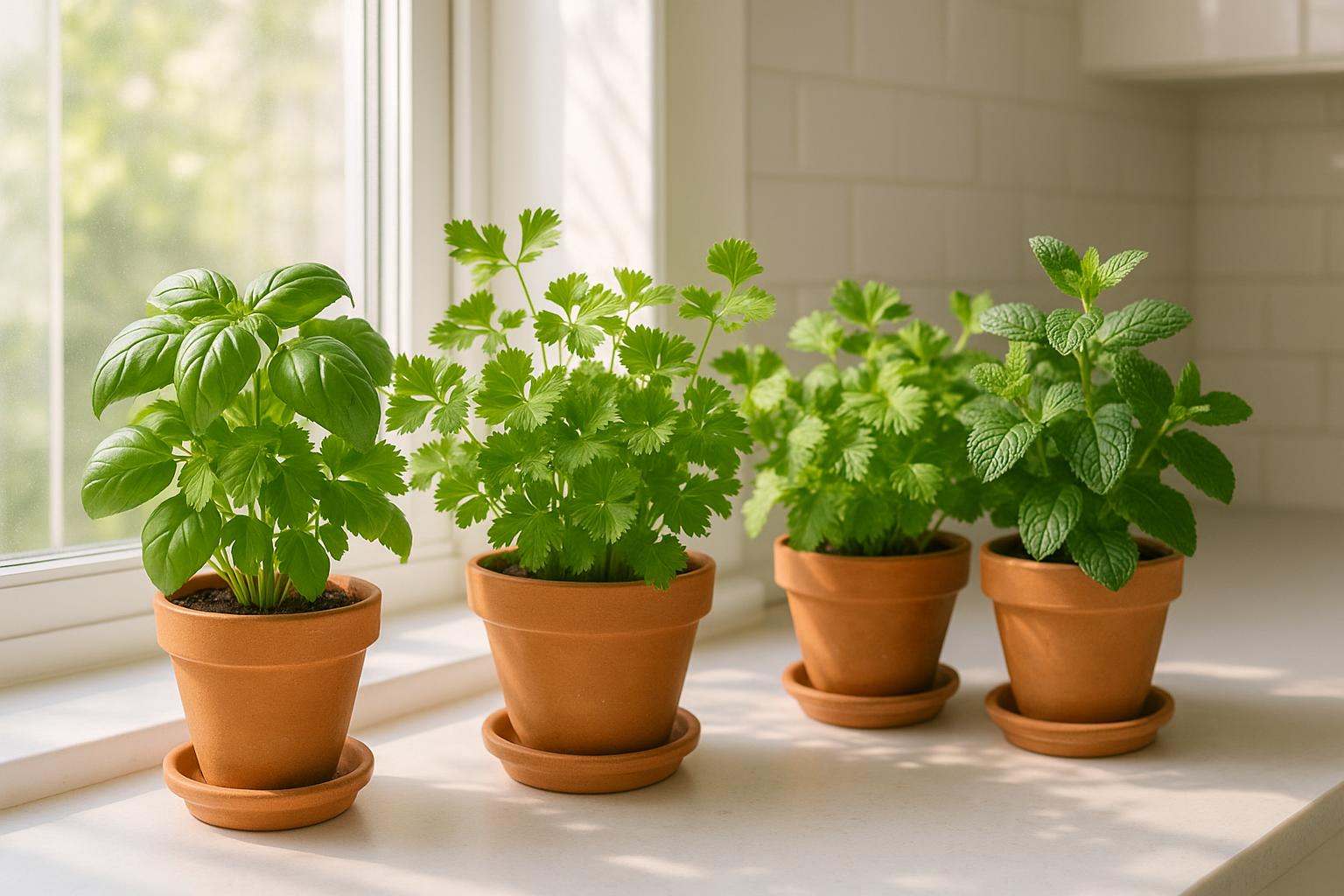
Transform Your Tiny Space: The Ultimate Guide to Indoor Vertical Garden Systems for Apartments
Quick Summary
Do you dream of fresh, home-grown herbs and vegetables but think your small apartment makes it impossible? Think again! Indoor vertical garden systems for apartments are the revolutionary solution for urban dwellers, transforming unused wall space into thriving, productive gardens. This comprehensive guide will walk you through everything you need to know, from choosing the right system—like hydroponic or soil-based options—to setting it up, maintaining it, and avoiding the most common pitfalls. Get ready to enjoy the freshest produce right from your living room, no backyard required.
Why Indoor Vertical Garden Systems for Apartments Are a Game-Changer
Living in a city often means sacrificing space, but it doesn't have to mean sacrificing your connection to nature or the joy of gardening. Vertical gardening is an innovative technique that utilizes vertical space rather than horizontal, making it perfectly suited for the compact footprint of apartment living. It allows you to cultivate a significant amount of plant life in an area that would otherwise be empty wall or corner space.
Maximizing Every Square Inch
The primary appeal of vertical gardening is its incredible efficiency in maximizing space. By stacking plants or mounting them on a wall, you can grow dozens of plants in the same square footage that a single traditional pot would occupy. This makes indoor vertical garden systems for apartments the ideal choice for studios, small condos, and any home where floor space is a precious commodity. You are essentially turning a decorative element into a functional, food-producing unit.
The Benefits Beyond Space
While space-saving is a huge advantage, the benefits of a vertical garden extend far beyond just fitting it into a small area. Having a garden indoors allows for year-round harvesting, meaning you can enjoy fresh basil in the middle of winter. Furthermore, the presence of plants is known to improve air quality by filtering toxins, and the lush green aesthetic adds a unique, calming element to your home decor, helping to reduce stress and connect you with nature.
Choosing the Right Vertical System: A Look at the Types
Selecting the right system is the most crucial first step in your vertical gardening journey. The best choice for you will depend on your budget, your level of gardening experience, and how much time you are willing to dedicate to maintenance. There are three main categories of systems to consider, each with its own set of pros and cons.
Hydroponic Systems (Water-Based)
Hydroponic systems are the high-tech option, growing plants without soil by using a nutrient-rich water solution. These systems are often sleek, automated, and incredibly efficient. Types include Nutrient Film Technique (NFT), where a thin film of water flows over the roots, and Deep Water Culture (DWC), where roots are submerged in a reservoir.
The biggest advantage of hydroponics is the speed of growth, as nutrients are delivered directly to the roots, and the process is virtually mess-free. However, they typically have a higher initial cost due to the pumps, timers, and specialized equipment required. They also demand a bit more technical knowledge to monitor pH and nutrient levels precisely.
Soil-Based Systems (Stacking/Pocket)
For the gardener who prefers a more traditional, hands-on approach, soil-based vertical systems are a fantastic option. These systems involve stacking containers or using wall-mounted fabric pockets or tiered shelving units. Each pocket or container holds a small amount of soil, allowing you to treat each plant individually.
Soil-based systems are generally simpler to set up, much lower in cost, and feel more familiar to traditional gardeners. They are also very forgiving of minor mistakes. The drawbacks include their weight, especially when fully watered, and the potential for soil spillage, which requires careful placement and watering techniques to manage.
Wick/Drip Systems (Semi-Hydroponic)
Wick and drip systems offer a middle ground between the two extremes, providing a balance of simplicity and efficiency. These systems use a growing medium like coco coir or rockwool instead of soil, and they deliver water and nutrients from a central reservoir. Wick systems use a passive material to draw water up to the roots, while drip systems use a small pump to actively drip the solution onto the plants.
These systems are excellent for beginners who want the efficiency of hydroponics without the complexity of constant pH monitoring. They are relatively low-maintenance once set up, but you must consistently monitor the reservoir level to ensure the plants don't dry out, especially in a warm apartment environment.
| System Type | Growing Medium | Ideal For | Pros | Cons |
|---|---|---|---|---|
| Hydroponic | Water/Nutrient Solution | Fast growth, tech-savvy gardeners | Fastest growth, water-efficient, clean | High initial cost, requires technical monitoring |
| Soil-Based | Potting Mix/Soil | Beginners, low budget, traditionalists | Simple, low cost, forgiving of errors | Heavy, potential for mess, less water-efficient |
| Wick/Drip | Coco Coir/Rockwool | Intermediate gardeners, balanced approach | Good efficiency, less complex than pure hydro | Requires consistent reservoir monitoring |
Setting Up Your Apartment Vertical Garden: A Step-by-Step Guide
The setup process for your vertical garden is straightforward, but a few key decisions early on will determine your long-term success. Planning is everything when you are working with limited space and indoor conditions. Follow these steps to ensure your new garden gets the best possible start.
Step 1: Location, Location, Location
The placement of your system is critical, as it dictates the amount of natural light and the environmental conditions your plants will receive. If possible, choose a spot near a south-facing window, as this provides the most consistent and intense light throughout the day. However, even the brightest window is often not enough for most vegetables and herbs.
A crucial tip is to ensure the floor beneath your indoor vertical garden systems for apartments can handle the weight, especially if you opt for a large soil-based unit. Always place a waterproof tray or mat underneath to catch any drips or spills. This protects your flooring and prevents potential issues with your landlord.
Step 2: Lighting is Non-Negotiable
For a truly productive indoor garden, you must invest in supplemental lighting. Natural light, even from a sunny window, is rarely sufficient to grow plants like tomatoes or peppers, and even herbs can become leggy and weak. Full-spectrum LED grow lights are the modern standard, as they are energy-efficient and emit the specific light wavelengths plants need for photosynthesis.
A specific tip for lighting is to use an automatic timer. Plants thrive on consistency, and a timer ensures they receive 14 to 16 hours of light per day, followed by a necessary period of darkness. This consistent light cycle is vital for healthy growth and is one of the easiest ways to mimic ideal outdoor conditions indoors.
Step 3: Water and Nutrients
The way you manage water and nutrients will differ significantly based on your chosen system. For hydroponic setups, precision is key. You must use a pH testing kit regularly and follow the nutrient solution instructions exactly. The ideal pH range for most plants is between 5.5 and 6.5, and straying outside this range can prevent your plants from absorbing essential nutrients.
For soil-based systems, the key is even distribution. When watering, ensure that the water reaches all the way down to the bottom tiers, as the top layers tend to dry out much faster. Consider a small, simple drip irrigation kit if you have a large soil-based system; this will save you time and ensure every plant receives consistent moisture.
Step 4: Plant Selection
Not all plants are suited for the compact environment of a vertical garden. Start with easy-to-grow, compact varieties that don't require deep roots or extensive horizontal space. Excellent choices include leafy greens like lettuce, spinach, and kale, as well as most common herbs such as basil, mint, and chives.
While it is tempting to try, avoid large, deep-rooted vegetables like carrots or potatoes, and overly vine-heavy plants like full-sized cucumbers or melons. If you want to grow fruiting plants, look for dwarf or compact varieties of strawberries, cherry tomatoes, or small peppers that are specifically bred for container gardening.
Common Mistakes to Avoid with Your Indoor Vertical Garden Systems for Apartments
Even experienced gardeners can run into unique challenges when transitioning to a vertical, indoor setup. Being aware of these common pitfalls can save you a lot of frustration and ensure your garden remains healthy and productive.
Neglecting Air Circulation
One of the most common mistakes is placing the system in a stagnant corner where air cannot move freely. In a dense vertical garden, poor air circulation creates a humid microclimate that is a breeding ground for mold, mildew, and fungal diseases. This is a critical factor often overlooked in small apartment spaces.
The simple solution is to use a small, oscillating fan pointed gently at your plants. This mimics the natural breeze plants experience outdoors, which not only prevents disease but also strengthens the plant stems, leading to healthier, more robust growth.
Overloading the System
It is easy to get excited and try to plant too many things too close together. Overloading your system is a mistake that quickly leads to plants competing for light, nutrients, and air, resulting in stunted growth and lower yields. Even if the system has many pockets, you must respect the mature size of the plants you are growing.
Always follow the spacing guidelines provided by your system manufacturer or general gardening recommendations. Pruning regularly can also help manage the size and shape of your plants, ensuring that every leaf gets adequate light and preventing one plant from shading out its neighbors.
Ignoring pH and Nutrient Levels
This mistake is particularly relevant for hydroponic indoor vertical garden systems for apartments. Assuming that tap water is adequate or guessing at nutrient amounts is a recipe for disaster. Plants in a soilless environment are entirely dependent on you for their nutrition.
Make it a weekly habit to test the pH and Electrical Conductivity (EC) or Total Dissolved Solids (TDS) of your reservoir water. A sudden drop in yield or yellowing leaves is often a sign that your nutrient solution is out of balance. For best results, change the entire reservoir water every one to two weeks to prevent the buildup of unused salts and ensure a fresh supply of oxygen.
Inconsistent Watering (Soil-Based)
In soil-based vertical systems, the top tiers are exposed to more air and light, causing them to dry out much faster than the lower tiers. Inconsistent watering, where the top is parched and the bottom is soggy, is a major mistake that leads to root rot in the lower plants and wilting in the upper ones.
To avoid this, check the moisture level in the soil of multiple tiers, not just the top one, by sticking your finger about an inch deep. If you find yourself constantly struggling with uneven moisture, it is a strong sign that a simple drip irrigation system or a switch to a wick-based system might be a better long-term solution for your apartment.
Maintenance and Troubleshooting Tips
A vertical garden, like any garden, requires consistent care. A few minutes of attention each day can prevent hours of troubleshooting later on.
Pest Management
Pests can be a problem even indoors, often hitchhiking in on new plants or through an open window. The key to indoor pest management is early detection. Make it a habit to inspect the undersides of leaves daily for tiny insects like aphids, spider mites, or fungus gnats.
If you spot an issue, isolate the affected plant immediately. For treatment, avoid harsh chemical pesticides. Instead, use organic solutions like a gentle spray of neem oil or insecticidal soap, which are safe for indoor use and highly effective against most common garden pests.
Pruning and Harvesting
Regular pruning is essential for maintaining the health and productivity of your vertical garden. Pruning encourages the plant to grow bushier rather than taller, which is ideal for a compact vertical space. It also helps to ensure that light penetrates all parts of the plant.
When harvesting leafy greens and herbs, use the "cut-and-come-again" method. Instead of pulling the whole plant, harvest the outer leaves or the top few inches of the stem. This allows the plant to continue producing new growth from the center, giving you a continuous supply of fresh produce.
Conclusion: Your Vertical Gardening Journey Starts Now
The dream of a productive, beautiful garden is absolutely within reach, even if your home is a small apartment in the heart of the city. Indoor vertical garden systems for apartments are the perfect fusion of modern technology and sustainable living, offering a practical, rewarding way to grow your own food. They eliminate the barrier of limited space and introduce a vibrant, living element into your home.
Don't let the initial setup intimidate you. With the right system, consistent care, and the knowledge to avoid common mistakes, you will soon be harvesting your own fresh, flavorful produce. The journey from a bare wall to a lush, green oasis is an incredibly satisfying one.
Ready to plan your vertical garden layout and determine the best plants for your space? Take the next step and use the Urban Grow Planner tool to map out your system, calculate your light needs, and get a personalized planting schedule! Happy gardening!
Related Articles
How To Start Urban Farming For Beginners
Ready to grow your own food? Learn how to start urban farming for beginners with this comprehensive guide on planning, small-space techniques, essential equipment, and common mistakes to avoid.
Balcony Garden Ideas For Beginners
Discover the ultimate balcony garden ideas for beginners! Learn how to maximize small spaces with vertical gardening, choose the best easy-to-grow plants, and avoid common mistakes. Start your urban oasis today!
Container Gardening For Beginners Step By Step
Start your urban garden with this step-by-step guide to container gardening for beginners. Learn about choosing pots, soil, plants, watering, and avoiding common mistakes.
How To Grow Vegetables On Apartment Balcony
Learn how to grow vegetables on apartment balcony with this ultimate guide. Get tips on sun, containers, soil, and the best compact crops for a successful urban garden.