Narrow Balcony Garden Design
Unlock the secrets to narrow balcony garden design! Learn space-saving vertical gardening techniques, plant selection, and common mistakes to turn your small urban space into a lush, productive oasis.
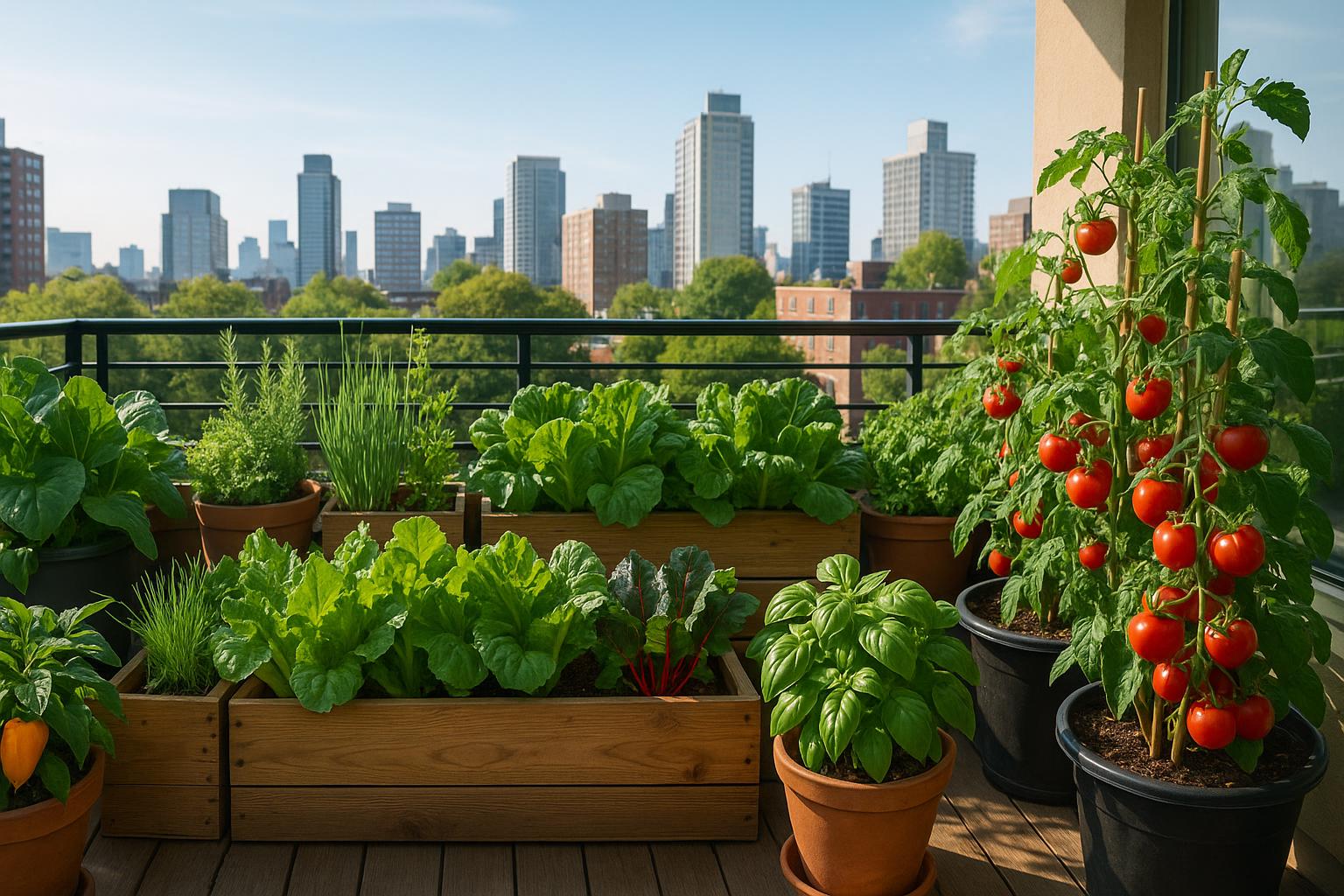
Transform Your Tiny Space: The Ultimate Guide to Narrow Balcony Garden Design
Quick Summary: Don't let a small, narrow balcony limit your urban gardening dreams! The secret to success lies in thinking vertically and planning strategically. This comprehensive guide will walk you through everything you need, from assessing your space and choosing the right structures to selecting the perfect plants and avoiding common mistakes. By maximizing your vertical real estate with clever planters, trellises, and railing systems, you can turn even the tightest balcony into a lush, productive, and beautiful green oasis.
The Vertical Revolution: Why Narrow Balcony Garden Design Demands a New Approach
A narrow balcony presents a unique challenge, but it's also a fantastic opportunity for creative design. Traditional gardening relies on horizontal space, which is exactly what you lack. The key to successful narrow balcony garden design is to shift your focus entirely upward, embracing the concept of vertical gardening. This approach allows you to multiply your growing area without sacrificing precious floor space needed for walking or seating.
Vertical gardening isn't just a trend; it's a necessity for urban dwellers. It involves using walls, railings, and overhead structures to support plants, effectively turning your balcony's perimeter into a living, breathing garden wall [1]. This not only maximizes your plant count but also creates a stunning visual effect, adding depth and privacy to your outdoor room.
Assessing Your Space: The Critical First Steps
Before you buy a single pot or seed packet, you must become intimately familiar with your balcony's microclimate and structural limitations. Skipping this step is one of the most common mistakes new urban gardeners make, leading to disappointment and wasted effort [3].
1. Know Your Load Limits
The most crucial safety consideration is weight. Wet soil is surprisingly heavy, and a collection of large, water-logged containers can quickly exceed your balcony's safe load capacity [3].
- Actionable Tip: If you live in an apartment, check your lease or consult with your building manager for weight restrictions. A general rule of thumb for modern construction is around 150kg per square meter, but always confirm.
- Practical Solution: Distribute weight evenly across the balcony floor. Opt for lightweight materials like fibreglass, plastic, or fabric grow bags instead of heavy terracotta or concrete [3]. Use lightweight growing media such as coir or specialist balcony compost mixes to further reduce the load [3].
2. Map the Sun and Wind
Sunlight is the fuel for your garden, and wind is its biggest dehydrator. Misjudging these factors is a recipe for failure [3].
- Sunlight: Track the sun's path for a full day, noting exactly how many hours of direct sunlight each section of your balcony receives. Most vegetables and flowering plants need at least six hours.
- Wind: Balconies on higher floors or in exposed locations can experience strong, drying winds [3]. If papers blow around easily, you have a wind problem.
- Actionable Tip: Use your sunlight map to place sun-loving plants (tomatoes, peppers, most herbs) in the brightest spots and shade-tolerant plants (lettuce, chard, parsley) in the dimmer areas.
Maximizing Vertical Space: Structures for Narrow Balcony Garden Design
The narrowness of your space means you need structures that are shallow and tall. Forget wide, bulky planters; think slim, wall-hugging, and multi-tiered.
H2: The Essential Vertical Gardening Systems
These systems are the backbone of any successful narrow balcony garden design. They allow you to grow dozens of plants in the footprint of just one or two traditional pots.
| System Type | Description | Best For | Space-Saving Benefit |
|---|---|---|---|
| Wall-Mounted Planters | Pockets, modular panels, or individual pots attached directly to a wall or railing. | Herbs, succulents, leafy greens, small flowers. | Turns a blank wall into a productive garden. |
| Tiered/Stacked Planters | Planters that stack on top of each other, often in a pyramid or tower shape. | Strawberries, herbs, small root vegetables, annual flowers. | Maximizes floor space by growing "up" from a single base. |
| Trellises and Arbors | Flat or arched structures that support climbing plants. | Cucumbers, pole beans, peas, small vining tomatoes, morning glories. | Uses the entire height of the balcony, creating a green screen. |
| Railing Planters | Boxes or baskets that hook over the balcony railing. | Trailing flowers (petunias), herbs, small vegetables. | Utilizes otherwise unused space on the railing. |
| Hanging Baskets | Pots suspended from the ceiling or a wall bracket. | Trailing plants, strawberries, cherry tomatoes, ferns. | Frees up floor space and adds a layer of height. |
Creative DIY and Repurposing Ideas
You don't need to spend a fortune on fancy equipment. Resourcefulness is a hallmark of great urban gardening [2].
- Pallet Gardens: A standard wooden pallet, stood on its end and reinforced, can be converted into a multi-pocket vertical planter for herbs and greens [2]. Ensure the wood is safe and untreated.
- Old Ladders: An old wooden ladder can be stripped, sealed, and used as a tiered shelving unit to hold small pots and containers [2].
- Repurposed Containers: Cleaned tin cans, plastic bottles, or old wooden crates can be transformed into unique, character-filled planters [2]. Just remember to drill drainage holes!
Plant Selection: Choosing the Right Companions for a Tight Space
In a narrow space, every plant must earn its spot. Choose compact, high-yield, or vertical-growing varieties.
Edibles That Thrive in Containers
Focus on dwarf, bush, or determinate varieties that don't sprawl.
- Herbs: Basil, mint, chives, thyme, oregano, and parsley are perfect for small pots and can be tucked into wall pockets.
- Leafy Greens: Lettuce, spinach, and kale are excellent choices. They tolerate partial shade and can be "cut-and-come-again" harvested for a continuous supply.
- Vegetables: Look for bush beans (instead of pole beans), determinate tomatoes (like 'Tiny Tim' or 'Patio'), and compact pepper varieties. Cucumbers and peas are ideal for trellises.
- Fruits: Strawberries are fantastic in tiered planters or hanging baskets, where their fruit can trail over the edge.
Ornamental Plants for Beauty and Privacy
Ornamentals can add color, texture, and much-needed privacy to your narrow balcony garden design.
- Climbers: Clematis, Mandevilla, or even small-flowered climbing roses can be trained up a trellis to create a beautiful privacy screen.
- Dwarf Shrubs: A small, slow-growing boxwood or dwarf olive tree can serve as a permanent focal point, providing structure year-round [1].
- Trailing Plants: Ivy, petunias, and sedum varieties can soften the hard edges of your balcony when planted in railing boxes or hanging baskets.
Common Mistakes to Avoid in Your Narrow Balcony Garden
Even with the best intentions, a few common pitfalls can derail your urban gardening efforts. Being aware of them is the first step to success.
1. Ignoring Water and Drainage
This is a two-part problem: access and exit. Lugging heavy watering cans is unsustainable, and poor drainage can lead to root rot and structural damage [3].
- Mistake: Not planning for efficient watering.
- Solution: Invest in a small, lightweight hose reel or a simple drip irrigation system that connects to an indoor tap or a small water reservoir.
- Mistake: Allowing water to pool or drip onto the balcony below.
- Solution: Always use drip trays under pots, especially if required by your building. Consider self-watering planters, which have a built-in reservoir to manage water efficiently.
2. Overcrowding Containers
It's tempting to squeeze as many plants as possible into a small space, but this leads to competition for nutrients, poor air circulation, and increased risk of disease.
- Mistake: Planting too many seeds or seedlings in one pot.
- Solution: Follow spacing guidelines strictly. In a small space, it's better to have one healthy, productive plant than three struggling ones.
3. Using the Wrong Soil
Garden soil is too dense for containers and will compact, suffocating roots and preventing proper drainage.
- Mistake: Using cheap, heavy garden soil.
- Solution: Always use a high-quality, lightweight potting mix specifically formulated for containers. For long-term plantings, consider adding perlite or vermiculite to improve aeration and drainage.
4. Neglecting Wind Protection
Wind is a major stressor, causing plants to dry out quickly and damaging foliage [3].
- Mistake: Placing delicate plants in the most exposed areas.
- Solution: Use trellises with climbing plants or strategically placed tall, sturdy plants to create a permeable windbreak. Permeable barriers are better than solid ones, which can create turbulent, damaging gusts [3].
Essential Product Recommendations (By Type)
To help you get started with your narrow balcony garden design, here are the types of products that will be most effective for maximizing your space.
| Product Type | Why It Works for Narrow Spaces | Key Features to Look For |
|---|---|---|
| Railing Planters | Utilizes the perimeter without taking up floor space. | Adjustable brackets for different railing widths; built-in drainage holes or plugs. |
| Vertical Wall Pockets | Creates a soft, flexible green wall. | Durable, UV-resistant felt or fabric; multiple pockets for diverse planting. |
| Self-Watering Planters | Reduces watering frequency and prevents over/under-watering. | Large water reservoir; clear water level indicator; lightweight plastic construction. |
| Modular Trellis System | Allows for customizable height and width for climbing plants. | Easy to assemble and disassemble; made of rust-proof metal or treated wood. |
| Lightweight Containers | Reduces the overall load on the balcony structure. | Fibreglass, resin, or fabric grow bags; look for double-walled insulation for heat protection. |
| Drip Irrigation Kit | Provides efficient, targeted watering with minimal effort. | Timer-controlled; connects to a standard hose or tap; includes various drippers and tubing. |
Creating Your Balcony Oasis: Design Tips
Beyond the practicalities of growing, your balcony should be a place of relaxation and enjoyment. A well-designed space feels larger and more inviting.
1. The Power of Color and Texture
Use light colors for your walls, flooring, and large containers. Light colors reflect light, making the space feel more open and expansive [1]. Introduce varying textures—smooth leaves, rough bark, soft grasses—to add visual interest without clutter.
2. Strategic Lighting
Extend the usability of your balcony into the evening with thoughtful lighting. String lights (fairy lights) create a cozy, magical atmosphere. Small, solar-powered spotlights can be used to uplight a focal point plant, like a dwarf tree, adding drama and depth [1].
3. Folding Furniture
In a narrow space, every piece of furniture must be functional and flexible. Choose folding bistro sets or wall-mounted drop-leaf tables that can be put away when you need more room for gardening tasks.
4. The Illusion of Depth
Place your largest, most dramatic plants at the back of the balcony (against the wall) and smaller, more delicate plants closer to the railing. This layering technique creates an illusion of depth, making the space feel longer than it is.
Your Next Step: Start Planning Today
Transforming your narrow balcony into a flourishing garden is an incredibly rewarding journey. It requires careful planning, a commitment to vertical thinking, and a willingness to learn from your space. Remember that every successful narrow balcony garden design is a unique reflection of its owner and its environment. Start small, observe your plants, and adjust as you go.
To help you organize your ideas and ensure you haven't missed any critical steps—from sunlight mapping to weight distribution—we encourage you to use the Urban Grow Planner tool. It's designed specifically for small-space gardeners to help you plan your layout, track your plants, and maximize your yield. Happy gardening!
References
[1] Garden Design. "How to Create the Perfect Balcony Garden." https://www.gardendesign.com/small/balcony-garden.html [2] Nick Karagiannis Farming. "Vertical Gardening for Small Balconies: Space-Saving Tips." https://nickkaragiannisfarming.com/vertical-gardening-for-small-balconies/ [3] Nick Karagiannis Farming. "10 Balcony Gardening Mistakes to Avoid." https://nickkaragiannisfarming.com/balcony-gardening-mistakes-to-avoid/
Related Articles
How To Start Urban Farming For Beginners
Ready to grow your own food? Learn how to start urban farming for beginners with this comprehensive guide on planning, small-space techniques, essential equipment, and common mistakes to avoid.
Balcony Garden Ideas For Beginners
Discover the ultimate balcony garden ideas for beginners! Learn how to maximize small spaces with vertical gardening, choose the best easy-to-grow plants, and avoid common mistakes. Start your urban oasis today!
Container Gardening For Beginners Step By Step
Start your urban garden with this step-by-step guide to container gardening for beginners. Learn about choosing pots, soil, plants, watering, and avoiding common mistakes.
How To Grow Vegetables On Apartment Balcony
Learn how to grow vegetables on apartment balcony with this ultimate guide. Get tips on sun, containers, soil, and the best compact crops for a successful urban garden.