Rooftop Garden Ideas For Beginners
Discover essential rooftop garden ideas for beginners! Learn about structural safety, choosing lightweight containers, the best soil mix, and common mistakes to avoid for a thriving urban oasis.
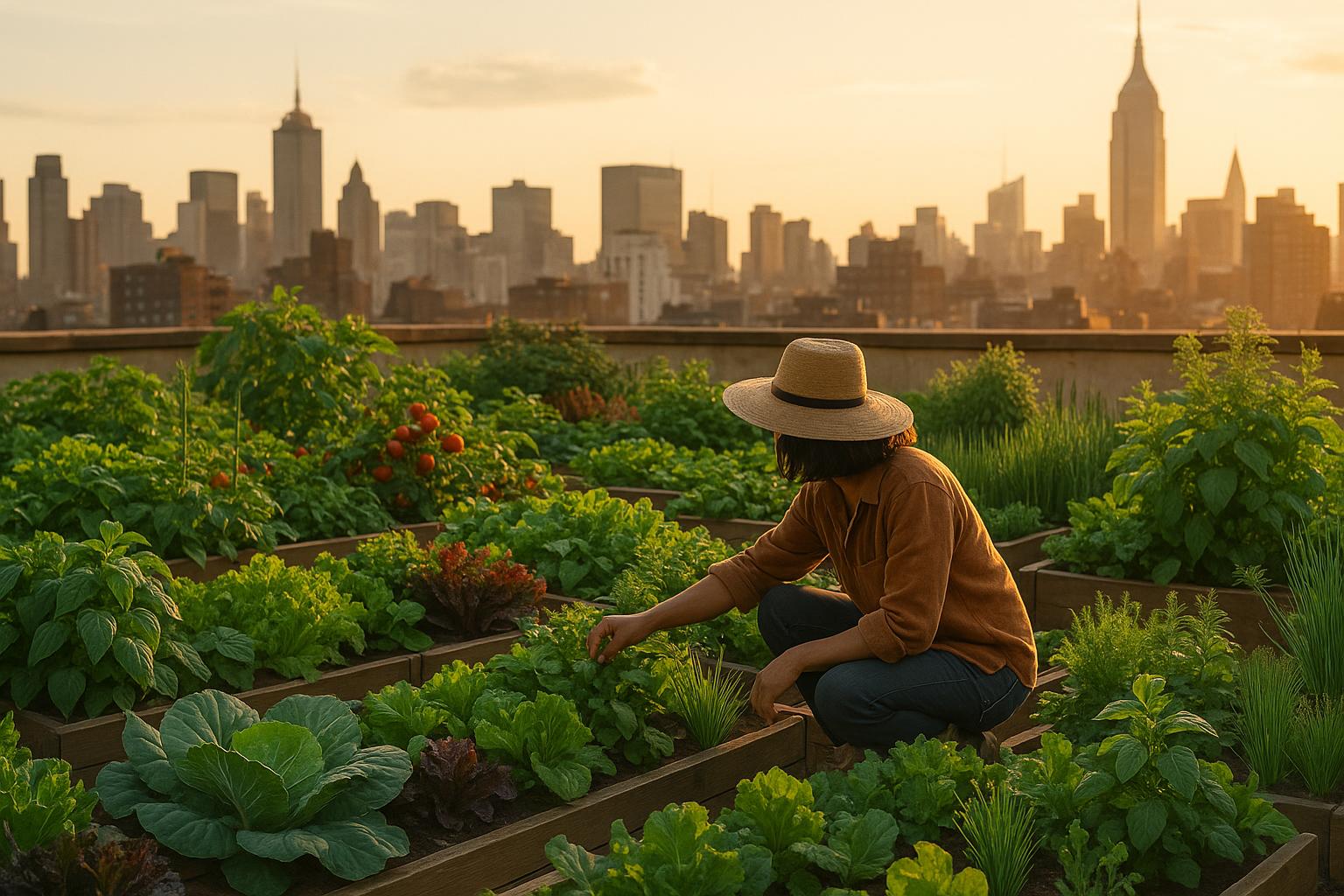
Rooftop Garden Ideas for Beginners: Your Essential Guide to Starting an Urban Oasis
Quick Summary: Starting a rooftop garden is an exciting way to maximize urban space, but it requires careful planning. The most critical first steps are confirming your roof's structural capacity (weight load) and ensuring proper waterproofing and drainage. Choose lightweight containers and a soilless potting mix to keep the weight down. Start small with easy-to-grow, compact plants like herbs and leafy greens. With a little preparation, you can transform your unused rooftop into a thriving, productive urban oasis.
The Non-Negotiable First Steps: Safety and Structure
Before you buy a single seed or bag of soil, you must address the structural integrity of your building. This is the most important of all rooftop garden ideas for beginners. Skipping this step is a common and dangerous mistake.
Confirming Your Roof’s Weight Load Capacity
A rooftop garden adds significant weight, especially when soil is saturated with water. You must consult a structural engineer or building architect to determine the maximum weight your roof can safely bear.
- Dry Weight vs. Saturated Weight: Soil and containers are much heavier when wet. A cubic foot of dry soil can weigh around 75 lbs, but when fully saturated, it can exceed 120 lbs. This is why a lightweight, soilless mix is crucial.
- Load Distribution: The weight should be distributed evenly, or concentrated over load-bearing walls and beams. Never place all your heaviest planters in one small area. Most residential roofs are designed to handle a "dead load" of 30-50 pounds per square foot (PSF), but this is a general estimate that must be confirmed for your specific structure.
Waterproofing and Drainage Solutions
Water is essential for your plants, but detrimental to your building if not managed correctly.
- Waterproofing: Ensure your roof’s waterproofing membrane is in excellent condition. If you are unsure, it is wise to have a professional inspect and potentially reinforce it.
- Drainage: Proper drainage prevents water from pooling, which adds excessive weight and can damage the roof. Use drainage mats or a layer of coarse gravel beneath your containers to ensure water flows freely to the existing roof drains. Never block the roof's drainage system.
Choosing the Right Gear: Containers and Soil
The materials you choose for your rooftop garden must be lightweight, durable, and weather-resistant.
Lightweight Container Recommendations
Avoid heavy materials like terra-cotta or concrete, which add unnecessary weight. Focus on materials that are light and resilient to the elements.
- Fiberglass Planters: These are often considered the superior choice. They are extremely durable, lightweight, and come in a variety of styles.
- Plastic/Resin Containers: Affordable and very light. Look for UV-resistant plastic to prevent cracking and fading in the intense sun.
- Lightweight Wooden Planters: Cedar or redwood are naturally rot-resistant and relatively light. Ensure they are lined with a plastic sheet (with drainage holes) to protect the wood and prolong their life.
- Fabric Grow Bags: An excellent, budget-friendly, and ultra-light option. They promote air pruning of roots, leading to healthier plants, and are easy to store in the off-season.
Consider using Sub-Irrigated Planters (SIPs). These containers have a built-in water reservoir at the bottom, which significantly reduces the frequency of watering—a huge benefit on a windy, sunny rooftop.
The Importance of Lightweight Potting Mix
Do not use garden soil or topsoil. It is too heavy, compacts easily in containers, and often lacks the necessary drainage.
- Soilless Mix: Opt for a high-quality, soilless potting mix. These mixes are primarily composed of peat moss, coir (coconut fiber), perlite, and vermiculite.
- Custom Mix: For larger containers, you can create your own lightweight mix: a ratio of roughly 60% lightweight aggregate (perlite, vermiculite, or pumice), 30% organic matter (compost or peat/coir), and 10% topsoil (optional, for nutrient retention). This blend provides excellent aeration and drainage while minimizing weight.
Planting Success: What to Grow and How to Protect It
Rooftops present unique environmental challenges, primarily intense sun, wind, and temperature fluctuations.
Best Plants for Beginner Rooftop Gardeners
Start with plants that are compact, fast-growing, and tolerant of full sun.
| Plant Category | Beginner-Friendly Examples | Why They Work on a Rooftop |
|---|---|---|
| Herbs | Basil, Mint, Chives, Thyme, Oregano | Compact, highly productive, and thrive in containers. |
| Leafy Greens | Lettuce, Spinach, Kale, Swiss Chard | Quick harvest, tolerate some shade (if available), and don't require deep soil. |
| Root Vegetables | Radishes, Carrots (short varieties) | Can be grown in shallower containers (8-10 inches deep). |
| Fruiting Plants | Bush Beans, Cherry Tomatoes (Dwarf varieties), Peppers | Choose compact or determinate varieties that don't require extensive trellising. |
Battling the Elements: Wind and Sun
Wind is a major factor on a rooftop. It can knock over containers, damage plants, and rapidly dry out the soil.
- Windbreaks: Install a simple windbreak using lattice, bamboo screening, or a sturdy railing. This will slow the wind without blocking too much light.
- Grouping: Cluster your containers together. Taller plants can be placed in the center, with shorter plants around the perimeter to provide mutual protection.
- Staking and Trellising: Secure all tall plants (like tomatoes) with sturdy stakes or a strong trellis system anchored to the railing or wall.
The sun exposure on a rooftop is often more intense than ground level. This means your plants will need more water.
- Watering Schedule: You may need to water twice a day during the hottest summer months. The lightweight soil mix, while great for weight, dries out quickly.
- Drip Irrigation: Installing a simple, automated drip irrigation system is one of the best rooftop garden ideas for beginners. It saves time, conserves water, and ensures consistent moisture, which is vital for container gardening success.
Common Mistakes to Avoid in Your Rooftop Garden
Learning from the mistakes of others will save you time, money, and heartache.
The Top 3 Beginner Blunders
- Ignoring Structural Capacity: As mentioned, this is the most critical mistake. Never guess the weight limit. Get professional confirmation.
- Overcrowding Plants: It’s tempting to plant everything, but crowded containers lead to poor air circulation, increased disease, and stunted growth. Follow the spacing guidelines for your containers. A 5-gallon container is a good minimum size for a single tomato or pepper plant.
- Using the Wrong Soil: Using heavy garden soil instead of a lightweight potting mix will not only stress your roof but also suffocate your plants' roots, leading to poor drainage and nutrient issues.
Overcoming Maintenance Challenges
- Neglecting Watering: The combination of wind and sun on a rooftop can dry out containers in a matter of hours. Check the soil moisture daily, and consider mulching the top of your containers with straw or wood chips to retain moisture.
- Poor Access Planning: Think about how you will get water, soil, and tools up to the roof. A hose connection is ideal. If you have to carry water, your garden size should be limited to what you can realistically maintain.
- Skipping Pest and Disease Checks: Because rooftop gardens are often isolated, pests can sometimes be less of an issue, but when they do arrive, they can spread quickly. Inspect your plants regularly (at least once a week) for signs of aphids, spider mites, or fungal diseases. Treat issues early with organic solutions like insecticidal soap or neem oil.
Designing Your Urban Oasis: Aesthetics and Function
A successful rooftop garden is not just about growing food; it’s about creating a beautiful, functional outdoor living space.
Layout and Zoning
Think of your rooftop as an extension of your home. Divide the space into zones:
- The Growing Zone: Place this area where it receives the most sun (usually 6-8 hours a day). Use shelving or tiered planters to maximize vertical space.
- The Relaxation Zone: Include a small table, chairs, or a bench. This is your reward for all the hard work—a place to enjoy your harvest.
- The Utility Zone: Keep your watering can, small tools, and extra potting mix neatly stored in a waterproof storage bench or cabinet.
Adding Personal Touches
- Lighting: String lights or solar-powered lanterns can transform the space into a magical evening retreat.
- Vertical Gardening: Use vertical planters or wall-mounted systems to grow herbs and flowers. This is a great way to maximize your yield without adding significant weight to the floor.
- Color: Use brightly colored containers or outdoor rugs to add personality and warmth to the space.
Your Next Step to a Thriving Rooftop Garden
Starting a rooftop garden is a journey of discovery. It will require patience, observation, and a willingness to learn from your plants. By focusing on the foundational elements—structural safety, lightweight materials, and protection from the elements—you are setting yourself up for success.
You now have a solid foundation of rooftop garden ideas for beginners to get started. Don't be intimidated by the challenges, embrace the opportunity to connect with nature right outside your door.
Ready to turn these ideas into a concrete plan? Our Urban Grow Planner tool is designed specifically for urban gardeners like you. It helps you calculate container needs, track planting dates, and manage your watering schedule, making the entire process simpler and more enjoyable.
Start planning your dream rooftop garden today with the Urban Grow Planner!
Related Articles
How To Start Urban Farming For Beginners
Ready to grow your own food? Learn how to start urban farming for beginners with this comprehensive guide on planning, small-space techniques, essential equipment, and common mistakes to avoid.
Balcony Garden Ideas For Beginners
Discover the ultimate balcony garden ideas for beginners! Learn how to maximize small spaces with vertical gardening, choose the best easy-to-grow plants, and avoid common mistakes. Start your urban oasis today!
Container Gardening For Beginners Step By Step
Start your urban garden with this step-by-step guide to container gardening for beginners. Learn about choosing pots, soil, plants, watering, and avoiding common mistakes.
How To Grow Vegetables On Apartment Balcony
Learn how to grow vegetables on apartment balcony with this ultimate guide. Get tips on sun, containers, soil, and the best compact crops for a successful urban garden.