Self Watering Planters For Balcony Garden
Transform your urban space with self watering planters for balcony garden success. Learn the best types, setup tips, common mistakes, and top plants for a thriving, low-maintenance garden.
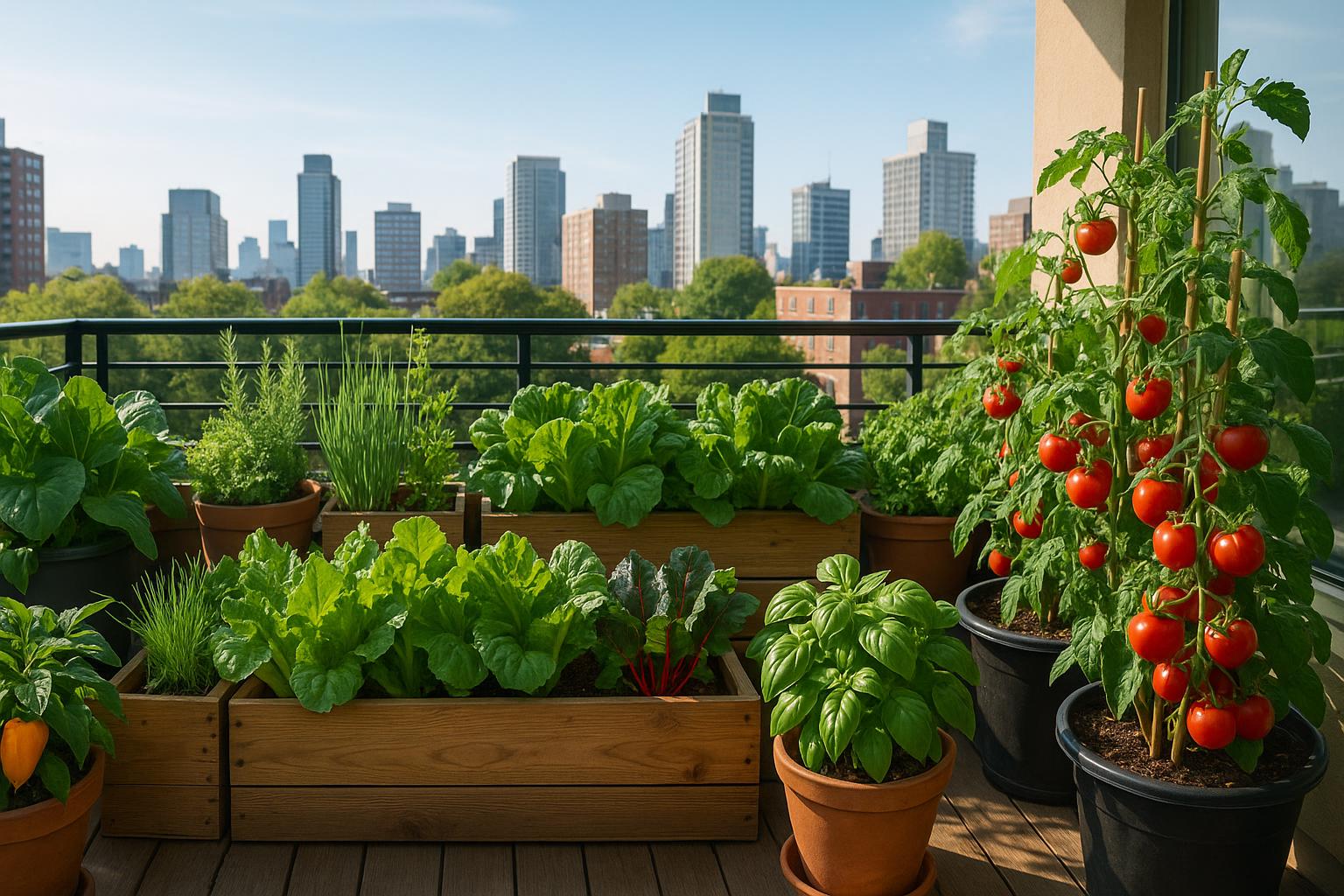
The Ultimate Guide to Self Watering Planters for Balcony Garden Success
Quick Summary: Self watering planters for balcony garden spaces are a game-changer for urban gardeners, offering consistent moisture, reduced watering frequency, and healthier plants. They work by using a reservoir and a wicking system to deliver water directly to the roots as needed. This comprehensive guide covers the benefits, different types of planters, essential setup tips, common mistakes to avoid, and a list of the best plants for this system. By following these practical steps, you can enjoy a thriving, low-maintenance balcony garden all season long.
Why Self Watering Planters for Balcony Garden Are a Must-Have
Balcony gardening presents unique challenges, primarily limited space and the rapid drying of soil in containers exposed to sun and wind. Traditional watering methods often lead to a cycle of over-watering followed by drought, stressing the plants and hindering growth. This is where the magic of a self watering planter for balcony garden comes in, transforming your small space into a lush, vibrant oasis.
The Science of Consistent Moisture
The core benefit of these planters lies in their ability to provide a consistent, even level of moisture to the plant roots. Unlike top-watering, which can compact the soil and wash away nutrients, self-watering systems use capillary action, or wicking, to draw water up from a reservoir below. This bottom-up watering encourages deeper, stronger root growth as the roots naturally grow towards the water source.
This consistent moisture is vital for plants, especially those grown in small balcony containers. It eliminates the guesswork of when to water and prevents the common issue of dry pockets in the soil. For the busy urban gardener, this means less time spent with a watering can and more time enjoying the harvest.
Key Advantages for Urban Gardeners
| Benefit | Description |
|---|---|
| Water Conservation | Water is stored in a closed reservoir, minimizing evaporation and runoff, which is perfect for water-conscious city living. |
| Reduced Watering Frequency | Depending on the size of the reservoir and the plant's needs, you may only need to refill every few days or even weeks. This is ideal for travelers or those with busy schedules. |
| Healthier Plants | Consistent moisture prevents the stress of drought and over-watering, leading to more vigorous growth, better flowering, and higher yields. |
| Nutrient Retention | Since water is not constantly flushed through the soil, essential nutrients remain in the root zone where the plant can access them. |
| Prevents Soil Compaction | Bottom-up watering keeps the soil structure loose and aerated, which is crucial for root health and microbial activity. |
Understanding the Different Types of Self-Watering Systems
Not all self-watering planters are created equal. They come in various designs, each suited for different plants and balcony aesthetics. Understanding the mechanism behind each type will help you choose the best system for your specific gardening goals.
1. Wick Systems
The simplest and most common type, wick systems use a piece of absorbent material—like nylon rope, felt, or cotton—to draw water from the reservoir into the soil.
- Best For: Small to medium-sized containers, herbs, and houseplants. They are easy to DIY and are very effective for plants with moderate water needs.
- Mechanism: The wick acts as a bridge, constantly pulling a small amount of water up into the potting mix.
2. Sub-Irrigation Planters (SIPs)
SIPs are the workhorses of the self-watering world, often used for larger vegetable gardens. They feature a water reservoir at the bottom, separated from the soil by a perforated plate or screen. Soil "wicks" are created by filling tubes or columns that extend from the soil down into the reservoir.
- Best For: Large containers, deep-rooted vegetables (tomatoes, peppers), and high-yield crops. They offer the largest water capacity and the most consistent moisture.
- Mechanism: The soil in the wicking columns saturates and then distributes moisture horizontally throughout the rest of the soil mass.
3. Hydroponic-Style Systems
While technically a form of hydroponics, some commercial self-watering planters use a pump or a more complex float valve system to ensure the water level is maintained. These are less common for simple balcony setups but offer precise control.
- Best For: Advanced setups, high-value crops, or when maximum automation is desired.
- Mechanism: A float valve or sensor maintains a precise water level, or a pump periodically floods the root zone.
Setting Up Your Self Watering Planters for Balcony Garden: A Step-by-Step Guide
Proper setup is critical to ensure your self-watering system functions correctly and your plants thrive. Do not treat a self-watering planter like a regular pot; the soil and planting process are slightly different.
Step 1: Choose the Right Potting Mix
This is perhaps the most important step. A self-watering planter requires a light, fluffy, and well-aerated potting mix. DO NOT use garden soil or heavy topsoil, as these will compact and prevent the wicking action from working.
- Recommendation: Use a high-quality, peat- or coir-based potting mix. You can amend it with perlite or vermiculite to increase aeration and drainage. The mix needs to be able to hold moisture but remain light enough for air to reach the roots.
Step 2: Prepare the Wicking System
If your planter is a SIP, ensure the wicking columns are firmly packed with the potting mix. This creates the initial connection between the reservoir and the soil. For wick systems, ensure the wicks are fully submerged in the reservoir and extend well into the soil above.
Step 3: Plant and Initial Top-Watering
Fill the planter with your prepared potting mix, leaving about an inch of space at the top. Plant your seedlings or seeds as you normally would.
- Crucial Tip: For the first few weeks, you must water from the top, just like a traditional container. This is necessary to fully saturate the entire soil mass and encourage the roots to grow down towards the moisture. Once the plant is established (usually 2-4 weeks), you can switch entirely to filling the reservoir.
Step 4: The Transition to Reservoir Filling
Once the plant is established, begin filling the reservoir through the designated fill tube or opening. The soil will draw water as needed. Always check the water level indicator, if one is present, to know when a refill is necessary.
Common Mistakes to Avoid with Self-Watering Planters
While self-watering systems are designed for ease, a few common errors can sabotage your success. Being aware of these pitfalls will help you keep your balcony garden flourishing.
Mistake 1: Using the Wrong Plants
Not all plants are suited for the constant moisture provided by a self-watering system.
- Avoid: Succulents, cacti, and other desert-loving plants that require the soil to dry out completely between waterings. They are highly susceptible to root rot in a constantly moist environment.
- Embrace: Water-loving plants like tomatoes, peppers, basil, mint, lettuce, and most annual flowers. These plants thrive on consistent hydration.
Mistake 2: Over-Fertilizing
In a traditional pot, excess fertilizer is often flushed out with drainage water. In a self-watering system, the nutrients remain in the soil and can build up to toxic levels.
- Solution: Use a slow-release granular fertilizer mixed into the top layer of the soil at the beginning of the season. Alternatively, use a diluted liquid fertilizer added to the reservoir, but only at half the recommended strength.
Mistake 3: Neglecting the Top Soil
The top layer of soil in a self-watering planter can become very dry, which can be misleading. However, this dry layer is actually beneficial as it acts as a mulch, preventing water loss from the main soil mass and discouraging fungus gnats.
- The Problem: Some gardeners mistakenly continue to top-water because the surface looks dry.
- The Fix: Resist the urge to top-water once the reservoir system is active. Only top-water if you are applying a liquid fertilizer or if you need to flush out built-up salts (which should be done sparingly, perhaps once a season).
Mistake 4: Not Cleaning Between Seasons
Salts and mineral deposits from water and fertilizer can accumulate in the reservoir and the wicking components over time. This can clog the system and reduce its efficiency.
- Solution: At the end of the growing season, thoroughly clean the entire planter, including the reservoir and wicking parts, with a mild soap and water solution. This ensures a fresh start for the next season.
Product Recommendations: Choosing the Right Planter for Your Balcony
When shopping for self watering planters for balcony garden use, focus on the features that matter most for your space and plants. You don't need a specific brand, but you do need the right design.
For Small Spaces and Herbs: Decorative Wick Pots
These are typically smaller, aesthetically pleasing pots made of ceramic or plastic. They are perfect for a windowsill or a small corner of a balcony. Look for a clear water level indicator to make monitoring easy.
For Vegetables and High-Yield Crops: Large Sub-Irrigation Boxes
These rectangular or square boxes are designed for maximum growing space and reservoir capacity. They are often made of durable, UV-resistant plastic. A large SIP can hold enough water to sustain a tomato plant for a week or more, making them excellent for serious food production.
For Railings and Vertical Gardens: Railing Planters and Modular Systems
Balcony railings are prime real estate. Look for self-watering planters designed to hook securely over a railing. Modular systems allow you to connect multiple units, creating a continuous, self-watering garden wall, maximizing your vertical space.
The Best Plants to Grow in Your Self-Watering Balcony Garden
Choosing the right plants is key to maximizing the benefits of your self watering planters for balcony garden. The following plants thrive in the consistent moisture provided by these systems:
Vegetables
- Tomatoes: Especially determinate (bush) varieties, which are better suited for containers. They are heavy drinkers and love the steady supply of water.
- Peppers (Bell and Chili): Like tomatoes, they need consistent moisture to produce good fruit and prevent blossom end rot.
- Leafy Greens (Lettuce, Spinach, Kale): These bolt (go to seed) quickly when stressed by drought. Consistent water keeps them producing tender leaves longer.
- Cucumbers: Bush varieties are excellent for SIPs, as they require a lot of water, especially when fruiting.
Herbs
- Basil: A notoriously thirsty herb that thrives in a self-watering system, preventing the wilting that often plagues top-watered basil.
- Mint: As a plant that loves moisture and can be invasive, a self-watering container is the perfect way to keep it happy and contained.
- Parsley and Cilantro: Both prefer consistently moist soil and will produce more foliage in a self-watering setup.
Flowers
- Petunias and Impatiens: These popular annuals are heavy feeders and drinkers, making them ideal candidates for a large self-watering container where they can bloom profusely all summer.
- Geraniums: While they can tolerate some dryness, they flower best with consistent moisture.
Troubleshooting Your Self-Watering Planter
Even with the best setup, you might encounter a few issues. Here is a quick guide to common problems and their solutions.
| Problem | Possible Cause | Solution |
|---|---|---|
| Plant is Wilting | Reservoir is empty, or wicking action has failed (often due to dry soil). | Refill the reservoir. If the soil is bone dry, top-water thoroughly until water runs into the reservoir to re-establish the wick. |
| Yellowing Leaves/Root Rot | Plant is not suited for constant moisture, or the soil is too dense. | Check the plant type. If suitable, replace the soil with a lighter, more aerated potting mix. Ensure the overflow drain is clear. |
| Algae in Reservoir | Sunlight is reaching the water in the reservoir. | Cover the reservoir opening or use an opaque planter. Algae is generally harmless but can clog the system. |
| Stunted Growth | Salt/fertilizer buildup in the soil. | Perform a "flush" by top-watering heavily with plain water until it drains out the overflow, carrying excess salts with it. Then, return to reservoir filling. |
Conclusion: Grow Smarter, Not Harder
The shift to self watering planters for balcony garden spaces is one of the smartest moves an urban gardener can make. They solve the most common problems of container gardening—inconsistent watering and rapid drying—allowing you to focus on the joy of growing. By choosing the right system, using a quality potting mix, and avoiding a few simple mistakes, you can ensure your balcony is a place of continuous, vibrant growth.
Now that you have the knowledge to master self-watering systems, it's time to put your green thumb to work.
Ready to plan your perfect balcony harvest?
Use the Urban Grow Planner tool to map out your space, track your planting schedule, and optimize your self-watering setup for maximum yield. Happy gardening!
References
[1] Living Color Garden Center. The Pros and Cons of Self-Watering Pots. https://livingcolorgardencenter.net/gardening/using-self-watering-pots/ [2] Homes & Gardens. Self-watering planters: pros and cons of these types of pots. https://www.homesandgardens.com/gardens/what-are-self-watering-planters [3] GrowCycle. Self-Watering Planters Explained: Grow Thriving Plants with Less Effort. https://growcycle.com/learn/self-watering-planters-explained-grow-thriving-plants-with-less-effort?srsltid=AfmBOopxxmNR9VjTQXZz8Cdw9tAnIW_OnDZ9PZLzfKOHxPGZrzWLxhPGZrzWLxhRJ [4] House Digest. Mistakes To Avoid With Your Self-Watering Planters. https://www.housedigest.com/1817618/mistakes-avoid-self-watering-planter/ [5] Moana Nursery. What's the Deal with Self-Watering Pots?. https://www.moananursery.com/2024/04/29/whats-the-deal-with-self-watering-pots/
Related Articles
How To Start Urban Farming For Beginners
Ready to grow your own food? Learn how to start urban farming for beginners with this comprehensive guide on planning, small-space techniques, essential equipment, and common mistakes to avoid.
Balcony Garden Ideas For Beginners
Discover the ultimate balcony garden ideas for beginners! Learn how to maximize small spaces with vertical gardening, choose the best easy-to-grow plants, and avoid common mistakes. Start your urban oasis today!
Container Gardening For Beginners Step By Step
Start your urban garden with this step-by-step guide to container gardening for beginners. Learn about choosing pots, soil, plants, watering, and avoiding common mistakes.
How To Grow Vegetables On Apartment Balcony
Learn how to grow vegetables on apartment balcony with this ultimate guide. Get tips on sun, containers, soil, and the best compact crops for a successful urban garden.