Shady Balcony Garden Ideas
Transform your dim balcony into a lush oasis! Discover the best shady balcony garden ideas, from low-light plants like Hostas and Ferns to essential container and watering tips. Start growing today!
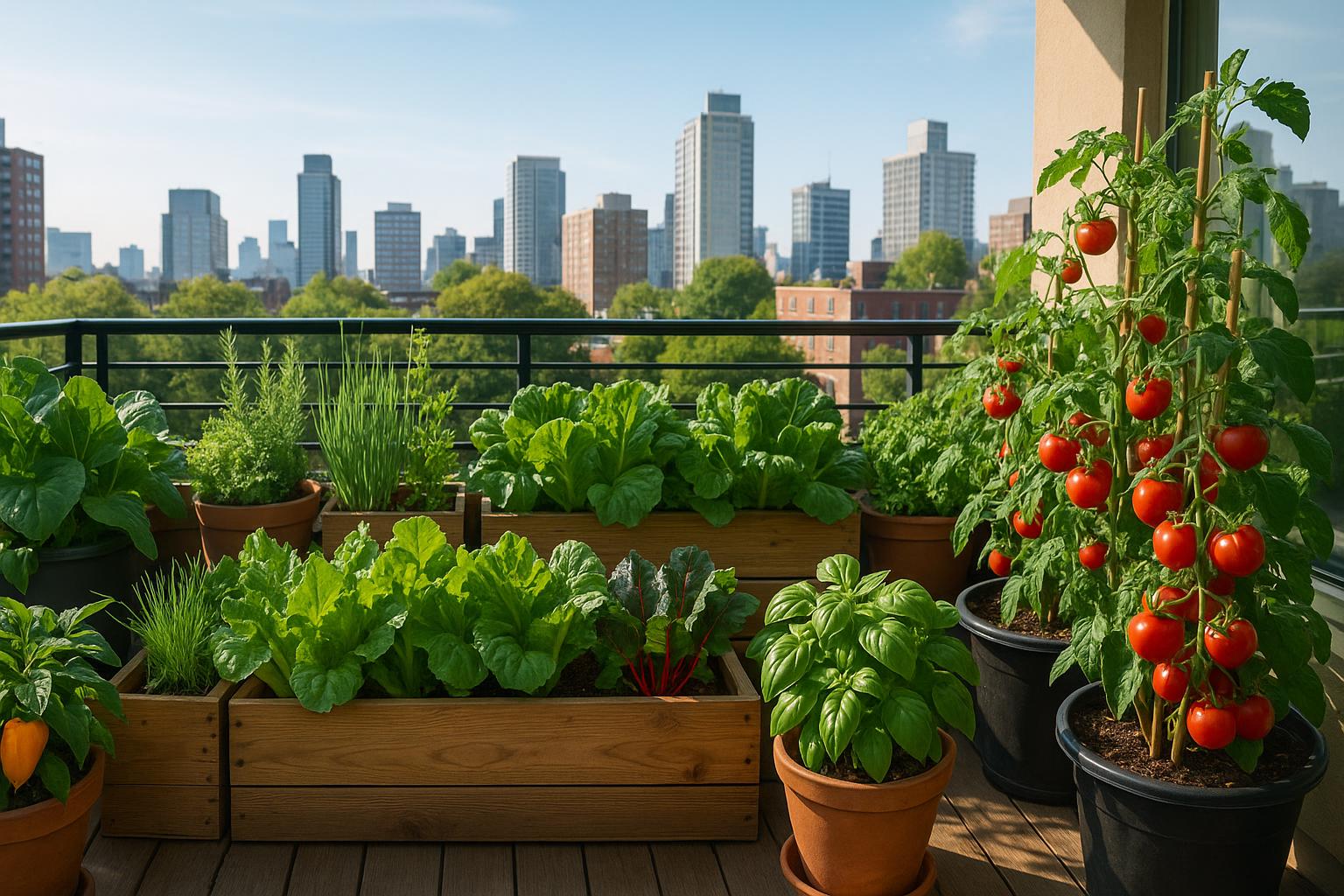
Transform Your Dark Corner: The Ultimate Guide to Shady Balcony Garden Ideas
Quick Summary
Don't let a lack of direct sunlight stop you from creating a lush, vibrant urban oasis. A shady balcony is not a limitation; it's an opportunity to cultivate a unique garden focused on rich foliage, delicate flowers, and shade-loving edibles. The key to success lies in understanding your specific light conditions, choosing the right plants, and mastering a few simple watering and design techniques. This comprehensive guide will walk you through everything you need to know to turn your dim space into a thriving, beautiful garden. We'll cover the best plants, essential setup tips, and the common mistakes to avoid, ensuring your shady balcony garden ideas flourish all season long.
Understanding Your Shade: The First Step to Success
Before you buy a single bag of soil or a single plant, the most crucial step is to accurately assess the light conditions on your balcony. Shade is not a single condition; it exists on a spectrum, and knowing where your balcony falls will dictate your plant choices and overall success. This foundational knowledge is what separates a struggling garden from a flourishing one.
Types of Shade
Understanding the different categories of shade will help you match plants to their ideal environment.
There are three main categories of shade to consider. Deep Shade receives less than two hours of direct sunlight daily, often blocked by adjacent structures, making it the most challenging but still rewarding environment. Partial Shade is the most common, receiving two to four hours of less intense sun, typically in the morning or late afternoon, which is perfect for a wide variety of shade-tolerant plants. Finally, Bright Shade (or Dappled Shade) receives no direct sun but is brightened by reflected light from walls or windows, providing consistent, indirect light that many plants prefer.
Assessing Your Balcony's Light
To truly understand your space, you need to create a "sun map." This practical tip involves tracking the light throughout the day for one full week.
Practical Tip: The Sun Map Method involves tracking the light throughout the day for one full week. Set a timer to check your balcony every two hours, from sunrise to sunset, noting down which areas receive direct sun and for how long, and which areas are bright but sunless. This simple exercise will give you an accurate, personalized map of your microclimates, allowing you to place plants exactly where they will thrive.
The Best Plants for Your Shady Oasis
Once you know your shade type, you can begin selecting plants. The secret to a successful shady balcony garden ideas project is to embrace the beauty of foliage and the delicate charm of shade-loving flowers.
Foliage Stars: Low-Light Heroes
In a shady space, foliage becomes the star of the show. Focus on plants with varied textures, shapes, and colors to create visual interest that lasts all season, even without bright blooms.
Ferns are the quintessential shade plants, with varieties like the Maidenhair Fern offering delicate, lacy fronds, and the Japanese Painted Fern providing stunning silver, burgundy, and green coloration. They thrive in consistent moisture and low light. Hostas are known for their incredible variety, coming in shades of blue, green, and variegated white and yellow, with large, textured leaves perfect for a lush, tropical feel. For vertical interest, Ivy is perfect for trailing over container edges or climbing a small trellis, being hardy and requiring minimal light. Finally, if you crave color, Coleus is the answer, with leaves in brilliant shades of red, pink, lime green, and deep purple, adding a vibrant pop without relying on flowers.
Flowering Beauties: Adding Color
While many flowers require full sun, several stunning varieties are perfectly adapted to low-light conditions, providing those much-needed pops of color.
For adding color, Impatiens (both standard and New Guinea) are famous for blooming profusely in the shade, offering a wide range of colors to brighten a dark corner. Begonias are excellent container plants for partial to bright shade; Tuberous Begonias produce large, rose-like blooms, while Wax Begonias offer smaller, continuous flowers and glossy foliage. Fuchsias, with their unique, dangling, two-toned flowers, add an exotic, whimsical touch, looking beautiful in hanging baskets. Lastly, dwarf varieties of Hydrangeas can thrive in large containers on a shaded balcony, especially with a few hours of morning sun, providing a stunning focal point with their large, colorful flower heads.
Edibles That Thrive in Shade
You don't have to give up on growing your own food just because your balcony is shady. Many delicious edibles actually prefer the cooler, less intense light conditions.
Leafy Greens like Lettuce, Spinach, and Kale are ideal for a shady garden, as the lack of intense sun prevents them from bolting too quickly, resulting in sweeter, more tender leaves. Several Herbs also perform well in partial shade, including Mint, Parsley, Chives, and Cilantro. Mint is a vigorous grower and should always be kept in its own container to prevent it from taking over. Finally, while they need some light, Root Vegetables like Radishes and Carrots can be grown successfully in bright shade, though they may take a little longer to mature.
Essential Design and Setup Tips
Designing a successful shady balcony garden requires a few clever tricks to maximize light, space, and plant health. These tips will help you create a functional and beautiful environment.
Maximizing Light and Space
In a shaded environment, every bit of light counts. You can strategically use your surroundings to enhance the available light.
In a shaded environment, every bit of light counts. You can strategically use your surroundings to enhance the available light by using Reflective Surfaces. Light-colored materials for your containers, walls, and flooring, such as white or pale-colored paint or light-colored outdoor rugs, can reflect ambient light back onto your plants, effectively increasing the brightness of the space. Since balconies are often small, Vertical Gardening is essential. Use tiered shelving units, wall-mounted planters, or trellises to grow climbing plants like Ivy, maximizing your planting area without taking up valuable floor space. Also, utilize the overhead space with Hanging Planters for plants like Fuchsias or trailing Ivy, which adds another dimension to your garden and gets plants closer to any available light source.
Choosing the Right Containers
The container you choose is just as important as the plant itself, especially in a shady, urban environment.
The container you choose is just as important as the plant itself. Consider Material Matters: plastic containers are lightweight and excellent at retaining moisture, while glazed ceramic pots are heavier and retain moisture well. Always Go Big by choosing the largest container your space and budget allow, as larger containers hold more soil, maintain a more stable temperature, retain moisture longer, and provide more room for healthy root growth. Most importantly, Drainage is Non-Negotiable. Ensure every container has adequate drainage holes, as the risk of overwatering and root rot is high in a shady environment where the sun isn't there to quickly dry out the soil. Proper drainage is your first line of defense.
Soil and Watering Strategies
Shade gardening requires a slightly different approach to soil and watering than sun gardening.
Shade gardening requires a slightly different approach to soil and watering. For The Right Mix, use a high-quality, well-draining potting mix, avoiding garden soil which can compact. You can improve drainage further by mixing in a handful of perlite or vermiculite. For Watering Wisdom, remember that shade plants generally require less frequent watering than sun-loving plants because less water is lost to evaporation, but they still need consistent moisture. The best tip is to check the soil moisture before watering: stick your finger two inches deep into the soil; if it feels dry, it's time to water, but if it feels damp, wait another day or two.
Common Mistakes to Avoid in Your Shady Balcony Garden
Even with the best intentions, new urban gardeners often make a few common errors when setting up their shady balcony garden ideas. Being aware of these pitfalls will save you time, money, and heartache.
Overwatering: The Silent Killer
As mentioned, overwatering is the single most common mistake in shade gardening. When a plant sits in soggy soil, its roots are deprived of oxygen, leading to root rot.
The Fix: Always use the "finger test" before watering. If you notice yellowing leaves or a general droopiness, it's often a sign of too much water, not too little. Ensure your containers are draining freely after every watering.
Ignoring Air Circulation
In a sheltered balcony space, especially one with high humidity from nearby buildings or frequent watering, poor air circulation can be a major problem.
The Fix: Fungal diseases like powdery mildew thrive in damp, still air. To combat this, ensure your plants aren't packed too tightly together. Prune dense foliage to allow air to flow between the leaves. If possible, arrange your containers to allow for maximum airflow around the balcony.
Choosing the Wrong Plants
A common mistake is trying to force sun-loving plants, like tomatoes or petunias, to grow in the shade. While they might survive, they will be leggy, produce few flowers, and yield little to no fruit.
The Fix: Stick to the list of shade-tolerant plants. Embrace the beauty of foliage and the delicate flowers that naturally thrive in low light. A healthy Hosta is far more rewarding than a struggling, sun-starved tomato plant.
Using Too Small Containers
While small containers are tempting for a small balcony, they are a recipe for disaster. Small soil volumes heat up and dry out rapidly, leading to stressed plants that require constant attention.
The Fix: Invest in larger containers. They provide a buffer against temperature swings and moisture loss, making your gardening life much easier and your plants much happier.
Conclusion: Your Shady Balcony Awaits
Your shady balcony is a blank canvas, ready to be transformed into a cool, tranquil retreat. By understanding the nuances of your light, selecting the right plants—from the lush textures of ferns and Hostas to the vibrant colors of Impatiens and Begonias—and avoiding common pitfalls like overwatering, you are well on your way to realizing your best shady balcony garden ideas. Embrace the challenge, and you will discover a rewarding world of gardening that celebrates the beauty of the shade.
Now that you have the knowledge, it's time to put your plan into action. To help you map out your space, track your light, and organize your plant list, we encourage you to use the Urban Grow Planner tool. It's the perfect companion for turning your vision into a thriving reality. Happy gardening!
Related Articles
How To Start Urban Farming For Beginners
Ready to grow your own food? Learn how to start urban farming for beginners with this comprehensive guide on planning, small-space techniques, essential equipment, and common mistakes to avoid.
Balcony Garden Ideas For Beginners
Discover the ultimate balcony garden ideas for beginners! Learn how to maximize small spaces with vertical gardening, choose the best easy-to-grow plants, and avoid common mistakes. Start your urban oasis today!
Container Gardening For Beginners Step By Step
Start your urban garden with this step-by-step guide to container gardening for beginners. Learn about choosing pots, soil, plants, watering, and avoiding common mistakes.
How To Grow Vegetables On Apartment Balcony
Learn how to grow vegetables on apartment balcony with this ultimate guide. Get tips on sun, containers, soil, and the best compact crops for a successful urban garden.