Small Balcony Herb Garden Design
Transform your urban space with the ultimate guide to small balcony herb garden design. Learn about vertical solutions, choosing the right herbs, and essential care tips.
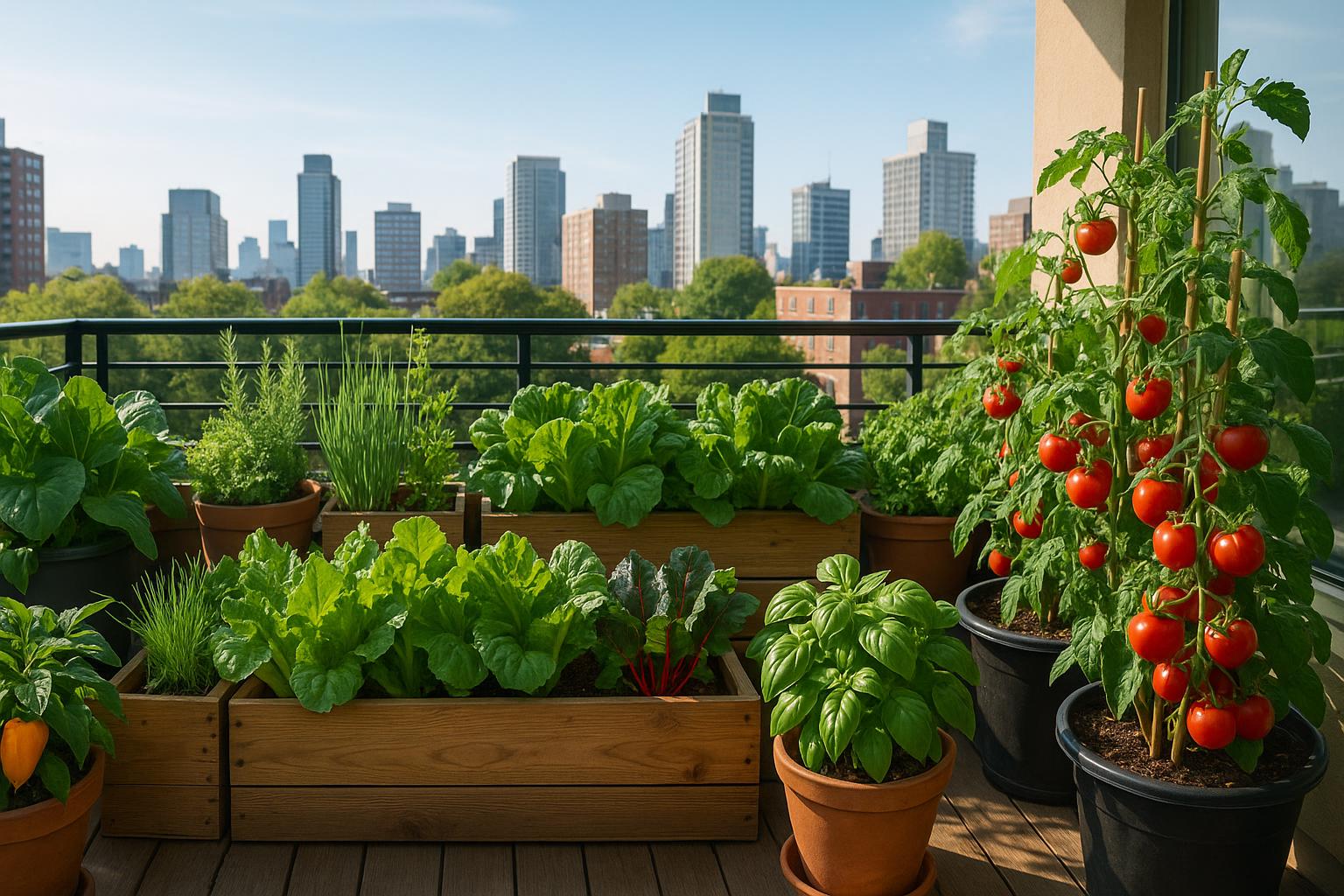
Design Your Dream Small Balcony Herb Garden Design: The Ultimate Guide
Quick Summary: Transforming a small balcony into a thriving herb garden is an achievable and rewarding project for any urban dweller. This comprehensive guide will walk you through the essential steps, from planning your layout and choosing the right herbs to selecting containers and mastering care techniques. We'll focus on maximizing vertical space, ensuring proper light and drainage, and avoiding common pitfalls, so you can enjoy fresh, homegrown herbs right outside your door. Get ready to create your perfect small balcony herb garden design!
The Foundation: Planning Your Small Balcony Herb Garden Design
The key to a successful urban garden is smart planning. Before buying a single pot, you need to assess your space and its environmental conditions.
1. Assess Your Balcony's Environment
The most critical factor is sunlight. Observe your balcony throughout the day.
- South-facing: Gets the most sun (6+ hours). Ideal for sun-loving herbs like basil, rosemary, thyme, and oregano.
- East-facing: Gets morning sun (3-5 hours). Good for herbs that tolerate partial shade, such as mint, parsley, and chives.
- West-facing: Gets intense afternoon sun (3-5 hours). Similar to south-facing, but be mindful of heat stress in summer.
- North-facing: Gets the least sun. Best for leafy greens and herbs that thrive in deep shade, though most culinary herbs will struggle here.
Also, consider wind exposure. High winds can dry out plants quickly and even knock over containers. If your balcony is windy, choose heavier pots or secure shelving units.
2. Maximizing Space with Vertical Solutions
In a small space, you must think up, not out. Vertical gardening is the secret weapon for any small balcony herb garden design.
- Shelving Units: Look for tiered, narrow shelving. This immediately triples your growing area. Ensure the shelves are stable and made of weather-resistant material like treated wood or metal.
- Wall Planters: These can be mounted directly to a wall or railing (check your lease agreement first!). Options include pocket planters made of felt or modular systems with individual pots.
- Railing Planters: These clever containers hook over the balcony railing, utilizing otherwise wasted space. They are perfect for trailing herbs like thyme or mint.
- Stackable Planters: These are individual pots that interlock, creating a column of plants. They are excellent for a variety of herbs in a minimal footprint.
3. Choosing the Right Herbs for Your Space
Select herbs based on your cooking needs and your balcony's light conditions. It's also vital to consider their growth habits.
- Aggressive Growers (The Mint Family): Mint and lemon balm are notorious for spreading. They must be planted in their own, dedicated container to prevent them from choking out other herbs.
- Bushy Growers: Basil, rosemary, and oregano grow into substantial plants. Give them larger pots to accommodate their root systems and size.
- Delicate Growers: Chives, parsley, and cilantro are smaller and can be grown in shallower or smaller containers, often tucked in between larger plants.
Essential Components for Your Herb Garden
A successful garden relies on the right tools and materials. Don't skimp on these foundational elements.
1. Container Selection and Drainage
Every container needs excellent drainage. Without it, roots will rot, and your herbs will die.
- Material: Terracotta pots look beautiful and allow soil to breathe, but they dry out quickly. Plastic pots retain moisture better, which can be an advantage in hot climates. Choose a material that suits your watering habits.
- Size: Start with pots that are at least 6-8 inches in diameter for individual herbs. Basil and rosemary will appreciate a 10-12 inch pot.
- Drainage Holes: Ensure every pot has multiple drainage holes. If a decorative pot lacks them, use it as a cachepot and place a smaller, drained pot inside.
2. The Right Soil Mix
Do not use garden soil from the ground; it compacts easily in containers. Use a high-quality, well-draining potting mix.
- Potting Mix: A standard mix is a good start. For herbs like rosemary and thyme that prefer drier conditions, you can mix in some perlite or sand to increase drainage.
- Fertilizer: Herbs generally don't need a lot of fertilizer. Over-fertilizing can reduce the concentration of the essential oils that give them their flavor. Use a diluted liquid organic fertilizer once a month, or a slow-release granular fertilizer at the start of the season.
Care and Maintenance: Keeping Your Herbs Thriving
Even the best small balcony herb garden design needs consistent care to flourish.
1. Watering Wisdom
Watering is the most common mistake for new gardeners. The rule of thumb is to water when the top inch of soil feels dry to the touch.
- Consistency: Water thoroughly until you see water draining from the bottom of the pot. This ensures the entire root ball is moistened.
- Time of Day: Water in the morning. This allows the leaves to dry before nightfall, which helps prevent fungal diseases.
2. Pruning for Production
Pruning is essential for encouraging bushy growth and maximizing your harvest.
- Pinching: For herbs like basil and mint, pinch off the top two sets of leaves just above a node (where a leaf meets the stem). This forces the plant to branch out sideways, resulting in a fuller, more productive plant.
- Harvesting: Never take more than one-third of the plant at a time. Regular harvesting is a form of pruning and is the best way to keep your herbs producing fresh, flavorful leaves.
3. Harvesting Techniques for Maximum Flavor
Knowing how to harvest each herb is just as important as knowing when to water it. Proper technique ensures the plant continues to produce and that the leaves you pick are at their peak flavor. Always harvest in the morning after the dew has dried, as this is when the essential oils are most concentrated.
- Basil: Harvest by pinching off the top growth, which encourages a bushier plant. Never strip all the leaves from a single stem; instead, harvest from multiple stems across the plant. If you see flower buds forming, pinch them off immediately to prevent the plant from "bolting" and turning bitter.
- Chives and Parsley: These are "cut-and-come-again" herbs. For chives, snip the leaves close to the soil line. For parsley, cut the outer stalks near the base of the plant, leaving the inner, younger growth to mature.
- Rosemary and Thyme: Harvest the soft, new growth at the tips of the stems. Avoid cutting into the woody, older growth, as this can harm the plant's ability to recover. A light, frequent trim is better than a heavy, infrequent one.
4. Pest and Disease Management
Balcony gardens are less prone to pests than in-ground gardens, but they can still appear.
- Common Pests: Look out for aphids, spider mites, and whiteflies.
- Treatment: A strong spray of water can dislodge many pests. For persistent problems, use an insecticidal soap or neem oil spray, applied in the evening to avoid burning the leaves in the sun.
5. Seasonal Care and Troubleshooting
A balcony garden is exposed to the elements, so you need to be prepared for seasonal changes and common plant issues. Understanding these will ensure your small balcony herb garden design remains productive year-round.
- Preventing Bolting: Bolting is when an herb, like basil or cilantro, prematurely goes to seed, often triggered by high heat or stress. The leaves become bitter and the plant stops producing. To prevent this, ensure consistent watering, provide afternoon shade if necessary, and aggressively pinch off any flower buds as soon as they appear.
- Overwintering: If you live in a climate with cold winters, you'll need to protect perennial herbs like rosemary and thyme. Move them indoors to a sunny windowsill or wrap the pots in burlap and mulch heavily to insulate the roots. Annuals like basil and cilantro will need to be replanted each spring.
- Wind and Sunburn: Balconies can be harsh environments. If your plants are showing signs of sun scorch (brown, crispy edges) or wind damage (broken stems), consider moving them to a more sheltered spot or installing a temporary screen. A little protection goes a long way in a high-exposure small balcony herb garden design.
Common Mistakes to Avoid in Your Small Balcony Herb Garden Design
Learning from others' missteps can save you time and heartache.
1. Overcrowding
It's tempting to cram as many plants as possible into a small space, but this leads to poor air circulation, increased disease risk, and competition for nutrients. Give each plant enough room to grow to its mature size.
2. Ignoring Drainage
As mentioned, poor drainage is a death sentence. Always double-check your pots and ensure the saucers underneath are emptied after watering. Roots sitting in standing water will quickly rot.
3. Inconsistent Watering
Herbs are generally forgiving, but they don't like extremes. Allowing the soil to completely dry out and then flooding it is stressful. Establish a consistent watering routine based on the weather and your soil type.
4. Planting Mint with Others
Mint is a bully. If you plant it in a container with other herbs, it will take over. Always give mint its own dedicated pot.
Product Type Recommendations for the Urban Gardener
You don't need expensive gear, but a few key product types will make your life easier.
- Self-Watering Planters: These are excellent for busy gardeners or those with very sunny balconies, as they have a reservoir that keeps the soil consistently moist.
- Drip Trays/Saucers: Essential for catching excess water and protecting the balcony floor below.
- Small Hand Trowel and Pruning Snips: A small set of tools is all you need for planting and harvesting. Look for stainless steel for longevity.
- Lightweight Potting Mix: Choose a mix specifically labeled for containers to ensure good aeration and drainage.
- Soil Moisture Meter: This simple, inexpensive tool takes the guesswork out of watering. Instead of relying on the "finger test," a meter gives you an accurate reading of the moisture level deep in the pot, helping you avoid both over and under-watering.
- Small Watering Can with a Long Spout: A small can is easier to manage on a crowded balcony, and a long, narrow spout allows you to water the soil directly without soaking the leaves, which is crucial for preventing fungal diseases.
- Plant Labels: Clearly labeling your herbs is essential, especially when growing different varieties of the same herb (e.g., sweet basil vs. Thai basil). Use durable, weather-resistant labels that won't fade in the sun.
Conclusion: Your Fresh Herb Journey Begins Now
Creating a thriving small balcony herb garden design is a journey of observation, patience, and reward. By carefully planning your space, selecting the right containers, and maintaining a consistent care routine, you will soon be harvesting fresh, fragrant herbs for all your culinary adventures.
Ready to take the next step and plan your layout? Use the Urban Grow Planner tool to map out your vertical space, track your sun exposure, and schedule your watering and feeding for a perfectly optimized garden! Happy growing!
Related Articles
How To Start Urban Farming For Beginners
Ready to grow your own food? Learn how to start urban farming for beginners with this comprehensive guide on planning, small-space techniques, essential equipment, and common mistakes to avoid.
Balcony Garden Ideas For Beginners
Discover the ultimate balcony garden ideas for beginners! Learn how to maximize small spaces with vertical gardening, choose the best easy-to-grow plants, and avoid common mistakes. Start your urban oasis today!
Container Gardening For Beginners Step By Step
Start your urban garden with this step-by-step guide to container gardening for beginners. Learn about choosing pots, soil, plants, watering, and avoiding common mistakes.
How To Grow Vegetables On Apartment Balcony
Learn how to grow vegetables on apartment balcony with this ultimate guide. Get tips on sun, containers, soil, and the best compact crops for a successful urban garden.