Small Space Gardening Tips For Beginners
Unlock your urban gardening potential! Get the best small space gardening tips for beginners, including vertical solutions, container choice, and common mistakes to avoid. Start growing today!
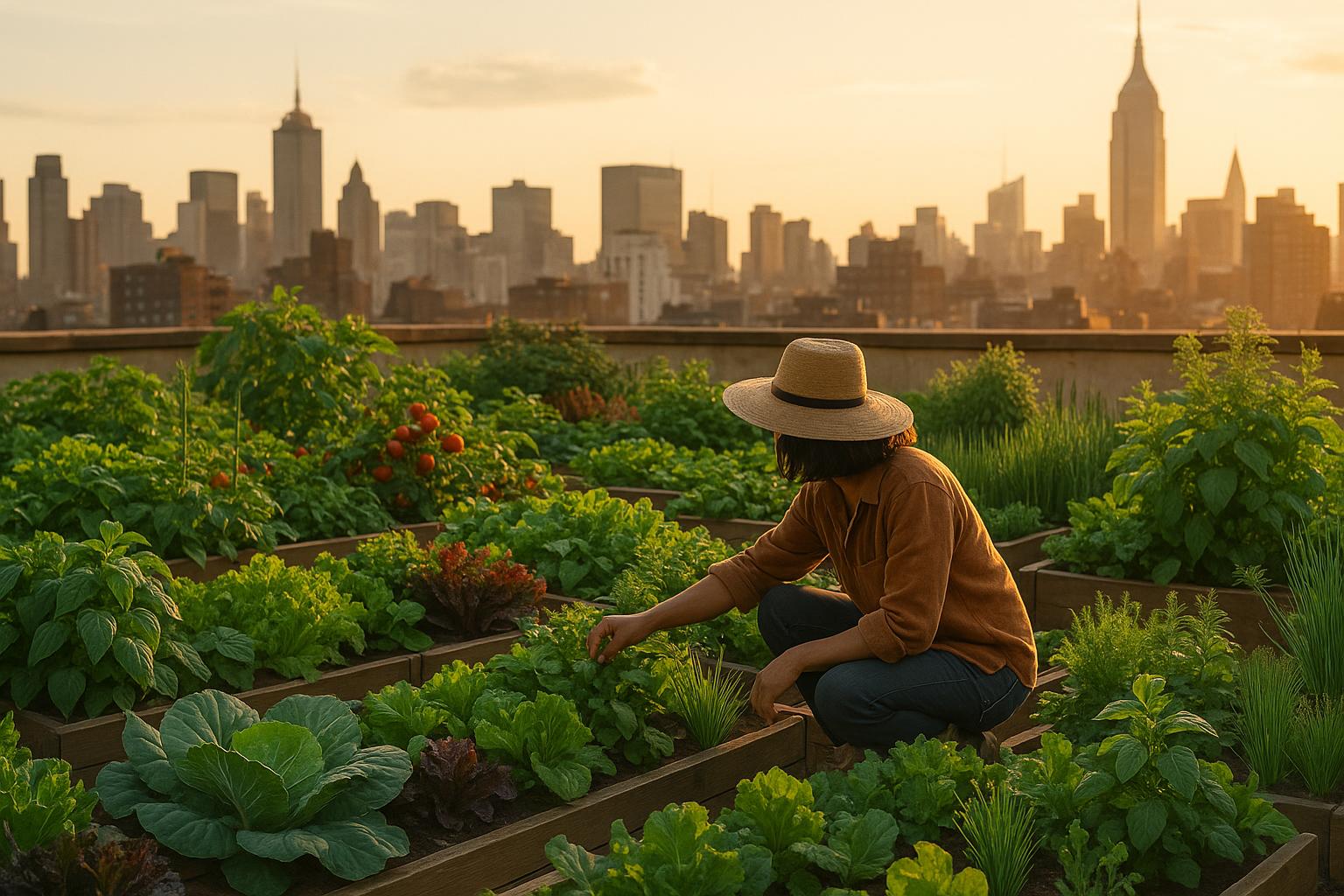
The Ultimate Guide to Small Space Gardening Tips for Beginners: Grow More in Less!
Quick Summary: Don't let a lack of space stop your gardening dreams! This comprehensive guide provides the best small space gardening tips for beginners, focusing on maximizing vertical areas, choosing the right containers and soil, and mastering essential maintenance. We'll cover everything from tiered planters and fabric grow bags to smart watering and common mistakes to avoid, ensuring you can create a thriving urban oasis right outside your door.
The dream of fresh, homegrown produce or a beautiful flower display doesn't have to be limited by the size of your apartment balcony, patio, or tiny backyard. In fact, some of the most creative and productive gardens exist in the smallest of urban footprints. It’s all about working smarter, not harder, and adopting a few key strategies to turn your limited area into a lush, green haven. If you're just starting out, navigating the world of containers and compact growing can feel overwhelming, but we’re here to help. This article is packed with actionable, detailed small space gardening tips for beginners that will set you up for success from your very first seed.
Maximizing Your Space: The Vertical Advantage
When you can't spread out, the only way to go is up. Vertical gardening is the single most effective strategy for any urban gardener, allowing you to multiply your growing area without taking up precious floor space. It transforms walls, railings, and even ceilings into productive real estate.
Shelving and Tiered Planters
One of the simplest ways to start growing vertically is by using tiered structures. These systems allow you to stack multiple containers, with each level providing a new home for herbs, greens, or flowers. Look for lightweight, modular shelving units that can be easily assembled and moved, as this flexibility is crucial in a small space.
For a dedicated planting solution, consider investing in tiered vertical planters. These are specifically designed to hold soil and plants in a cascading or stacked arrangement. Another excellent option is stackable containers, which interlock to form a stable, multi-level column. These are particularly good for strawberries or leafy greens, as they allow plants to spill over the sides while keeping the roots separate.
Wall-Mounted Solutions
Your walls are a blank canvas for gardening. Turning a plain wall into a living one can dramatically increase your growing capacity and add significant aesthetic appeal. For a budget-friendly, DIY approach, you can repurpose wooden pallets into vertical gardens, ensuring the wood is safe and untreated.
A more modern and efficient solution involves fabric pocket planters. These durable, felt-like pouches can be hung directly on a wall or fence, providing individual homes for dozens of small plants. They are excellent for herbs like mint, basil, and thyme, as well as shallow-rooted greens. When using wall-mounted solutions, always be mindful of the sun's path. A wall that gets morning sun might be perfect for lettuce, while a wall with intense afternoon sun is better suited for sun-loving herbs like rosemary.
Hanging Gardens
Don't forget the space above your head! Hanging baskets and planters are perfect for utilizing overhead space on balconies or patios. They are ideal for vining plants that naturally trail, such as cherry tomatoes, peas, or even decorative petunias.
When choosing hanging planters, ensure you have secure hooks and use a lightweight potting mix to reduce the overall weight. Hanging baskets are particularly effective for growing strawberries, as the fruit hangs freely, keeping it off the ground and away from pests. This simple technique is one of the most rewarding small space gardening tips for beginners because it instantly adds a new dimension to your garden.
The Art of Container Selection and Soil
In a small space, your containers are your garden beds, and the soil within them is the foundation of your success. Choosing the right vessel and the correct growing medium is non-negotiable for healthy plants.
Choosing the Right Containers
The size, material, and drainage of your container will directly impact your plant's health. A common mistake is choosing a container that is too small. While you are limited on space, remember that roots need room to grow. For many vegetables, deeper is often better than wider. For example, a deep, narrow container will support a healthier tomato plant than a wide, shallow one.
When it comes to materials, fabric grow bags are a revolutionary product for small-space gardening. They are lightweight, durable, and promote "air-pruning," which encourages a dense, healthy root system instead of roots circling the pot. They also provide excellent drainage and aeration. Another great option is self-watering containers, which feature a reservoir at the bottom to keep the soil consistently moist, reducing the frequency of watering—a huge benefit for busy beginners.
Soil is Everything
Never use soil dug up from your yard in a container. Garden soil compacts too easily in a pot, suffocating the roots and preventing proper drainage. Instead, you must use a high-quality, lightweight potting mix. This mix is specifically formulated to retain moisture while remaining loose and well-aerated.
To give your plants the best start, amend your potting mix with a few key ingredients. Mixing in some well-rotted compost will boost the nutrient content and microbial life. You can also incorporate a slow-release granular fertilizer at the time of planting. This provides a steady stream of nutrients over several months, which is essential because container plants rely entirely on you for their food.
Strategic Plant Placement
Even the smallest balcony has microclimates—areas that receive different amounts of sun, wind, and heat. Observing these patterns is one of the most crucial small space gardening tips for beginners. Spend a day watching how the sun moves across your space. Does one corner get six hours of direct light (perfect for tomatoes and peppers), while another only gets three hours of dappled light (ideal for leafy greens and herbs)?
Once you understand your light, group plants with similar needs together. This makes watering and care much easier. Place your sun-lovers in the brightest spot and your shade-tolerant plants in the dimmer areas. You can also use taller plants to strategically shade more sensitive plants during the hottest part of the day.
Essential Care and Maintenance Hacks
Small-space gardening requires a slightly different approach to maintenance than in-ground gardening. Because your plants are in containers, they are entirely dependent on you for water and nutrients.
Watering Wisdom for Small Spaces
Containers dry out significantly faster than garden beds, especially on hot, windy days. Over- or under-watering is the number one cause of plant failure for beginners. The best way to check is the simple "finger test": stick your index finger about an inch or two into the soil. If it feels dry, it's time to water. If it feels moist, wait another day.
For consistent moisture and to save time, consider a simple irrigation system. Drip irrigation kits are surprisingly easy to set up for a small collection of pots and deliver water directly to the roots, minimizing waste. For individual pots, watering globes or terracotta spikes inserted into the soil can provide a slow, steady release of water, acting as a buffer against drying out.
Smart Fertilizing
Since you are watering frequently, nutrients leach out of the soil quickly. Your plants will need regular feeding to thrive. A good rule of thumb is to use a balanced liquid fertilizer every two to four weeks, following the instructions on the bottle.
For heavy feeders like tomatoes and squash, you might need to fertilize more often. Remember that the initial slow-release fertilizer you mixed into the soil will eventually run out, so consistent liquid feeding is vital for a productive season.
Companion Planting and Succession
To truly maximize your yield in a small space, you need to think about how plants can work together. Companion planting involves placing beneficial plants near each other. For instance, planting basil near tomatoes can help repel pests and is a classic pairing.
Succession planting is the practice of planting a new crop immediately after harvesting an old one. For example, once your spring lettuce bolts (goes to seed), pull it out and immediately plant a summer crop like bush beans or a second round of heat-tolerant herbs. You can also plant quick-harvest crops like radishes or spinach in the same pot as slower-growing plants like peppers. By the time the pepper plant needs the space, the quick crop will be ready to harvest. These small space gardening tips for beginners are all about efficiency.
Common Mistakes to Avoid
Every gardener makes mistakes, but knowing the most common pitfalls in small-space gardening can save you a lot of frustration.
Overcrowding
The desire to grow everything at once is understandable, but overcrowding is the biggest mistake a beginner can make. Planting too many seeds or seedlings in one container leads to competition for light, water, and nutrients, resulting in weak, unproductive plants.
Always follow the spacing guides on seed packets or plant tags, even if your container looks sparse at first. A single, healthy, well-spaced tomato plant will produce far more fruit than three cramped, struggling ones.
Ignoring Drainage
Waterlogged roots are the fastest way to kill a container plant. Ignoring drainage is a fatal error. Every single container you use must have drainage holes at the bottom to allow excess water to escape.
If you have a beautiful decorative pot without holes, use the double-potting method: plant your vegetable or flower in a slightly smaller, inexpensive plastic pot with drainage holes, and then place that pot inside the decorative one. This allows you to water thoroughly without drowning the roots.
Underestimating Sun Needs
Many beginner gardeners overestimate the amount of sun their space receives. A plant that requires "full sun" needs a minimum of six hours of direct, unfiltered sunlight per day. If your space only gets four hours of direct light, you will struggle to grow sun-loving vegetables like tomatoes and cucumbers.
Be honest about your light conditions. If you have a shadier spot, focus on plants that thrive in partial shade, such as leafy greens (lettuce, spinach, kale), root vegetables (carrots, radishes), and many herbs. Choosing the right plant for the right light is one of the most fundamental small space gardening tips for beginners.
Conclusion
Starting a garden in a small space is not a compromise; it's an opportunity for creativity and hyper-efficiency. By focusing on vertical growth, choosing the right containers, and mastering a few key maintenance techniques, you can enjoy the immense satisfaction of growing your own food, no matter how limited your square footage.
Remember, every expert gardener started as a beginner. Start small, learn from your plants, and celebrate every success, no matter how minor. With these comprehensive small space gardening tips for beginners, you have all the knowledge you need to begin your journey.
Ready to plan your perfect urban oasis? Take the guesswork out of your layout and care schedule. Check out the Urban Grow Planner tool to map out your containers, track sun exposure, and schedule your planting and harvesting! Happy growing!
Related Articles
How To Start Urban Farming For Beginners
Ready to grow your own food? Learn how to start urban farming for beginners with this comprehensive guide on planning, small-space techniques, essential equipment, and common mistakes to avoid.
Balcony Garden Ideas For Beginners
Discover the ultimate balcony garden ideas for beginners! Learn how to maximize small spaces with vertical gardening, choose the best easy-to-grow plants, and avoid common mistakes. Start your urban oasis today!
Container Gardening For Beginners Step By Step
Start your urban garden with this step-by-step guide to container gardening for beginners. Learn about choosing pots, soil, plants, watering, and avoiding common mistakes.
How To Grow Vegetables On Apartment Balcony
Learn how to grow vegetables on apartment balcony with this ultimate guide. Get tips on sun, containers, soil, and the best compact crops for a successful urban garden.