South Facing Balcony Vegetable Garden
Turn your sun-drenched space into a thriving south facing balcony vegetable garden! Learn expert tips on heat management, best plants (tomatoes, peppers), watering, and avoiding common mistakes.
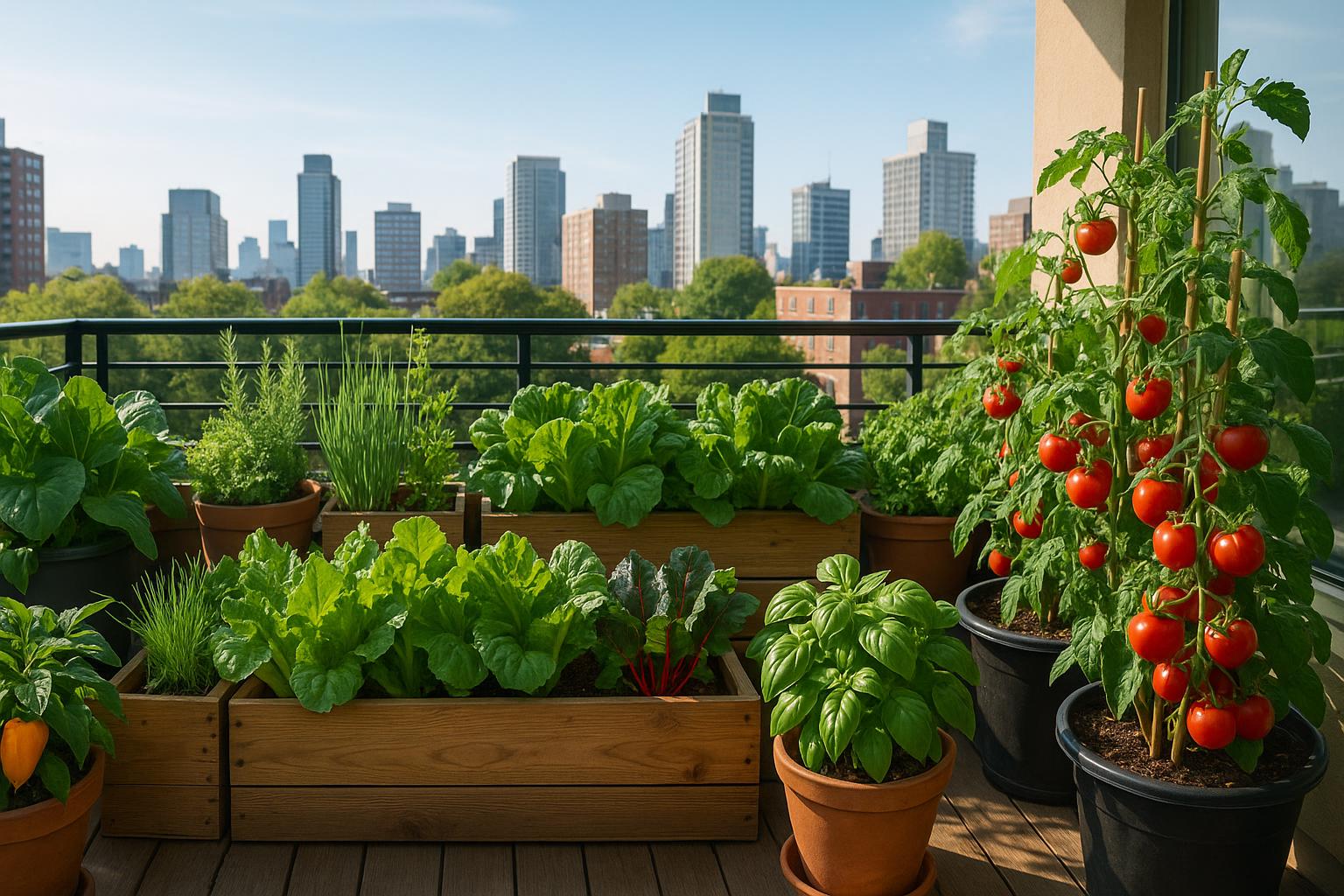
Maximize Your Harvest: The Ultimate Guide to a Thriving South Facing Balcony Vegetable Garden
Quick Summary: Your South-Facing Balcony Garden Success Plan
A south facing balcony vegetable garden is a sun-lover's paradise, but the intense heat and light require a strategic approach. The key to success lies in managing the heat, choosing the right containers, and selecting heat-tolerant crops. Focus on deep, light-colored containers, use a moisture-retentive potting mix, and water consistently—often twice a day in peak summer. Ideal crops include tomatoes, peppers, cucumbers, and Mediterranean herbs. By planning for weight, wind, and drainage, you can transform your sun-drenched space into a bountiful urban farm. Don't forget to use the Urban Grow Planner tool to map out your space and track your progress!
Introduction: Embracing the Sun-Drenched Opportunity
If you are an urban gardener with a south-facing balcony, you have won the sun lottery. This orientation provides the maximum amount of sunlight throughout the day, the single most crucial ingredient for growing most vegetables. Your south-facing space is a powerhouse, capable of supporting a wide variety of fruiting and sun-loving crops. This guide will walk you through transforming that sun-drenched concrete slab into a highly productive south facing balcony vegetable garden.
The intensity of the sun is both a blessing and a challenge. The volume of light is fantastic for plant growth, but the accompanying heat can quickly turn your containers into miniature ovens, scorching roots and drying out soil in a matter of hours. The primary challenge is not a lack of light, but the management of heat and moisture. With the right strategies, you can mitigate these challenges and enjoy a season of abundant harvests right outside your door.
This comprehensive guide provides the practical, actionable steps you need to succeed, covering everything from essential planning to the best plant choices and common mistakes to avoid. Get ready to put on your gardening gloves and start planning your urban oasis!
Essential Planning for Your South Facing Balcony Vegetable Garden
Before you buy a single seed or bag of soil, a few critical planning steps will set the foundation for a successful season.
Assessing Your Balcony’s Microclimate
Understanding your specific microclimate is vital for success.
H3: Sunlight Tracking Know exactly how many hours of direct sunlight your space receives. Track the sun hourly; most fruiting vegetables require a minimum of 6-8 hours of direct sun. Be aware of seasonal changes, as the sun's path shifts throughout the year.
H3: Wind Exposure Balconies, especially on higher floors, can be wind tunnels. Strong winds rapidly strip moisture from leaves and soil, leading to dehydration and physical damage. If your balcony is windy, incorporate windbreaks, such as trellises with climbing plants, or strategically place larger, more resilient containers.
H3: Weight Capacity This is the most important safety consideration. Wet soil is incredibly heavy. Check your lease agreement or consult your building manager for weight restrictions. Always err on the side of caution. Distribute the weight of your heaviest pots evenly across the space.
Container Selection: The Key to Heat Management
The intense sun on a south-facing balcony means your containers will absorb a lot of heat, which can cook your plant roots. Choosing the right container material and color is vital for root health.
H3: Color and Material Dark-colored containers absorb and retain heat, making them unsuitable. Opt for light-colored pots—white, light gray, or terracotta painted white—as they reflect sunlight and keep the root zone cooler. Plastic or glazed ceramic containers are better for moisture retention than porous terracotta. Fabric grow bags are also excellent for heat dissipation and root health.
H3: Size and Drainage Use the largest pots you can manage. Larger soil volume retains moisture longer and buffers against temperature fluctuations. For tomatoes and peppers, aim for a minimum of 5-gallon (20-liter) containers. Every container must have excellent drainage holes. Use large, deep drip trays beneath your pots to catch excess water, preventing it from dripping onto the balcony below.
Thriving Crops for Your South Facing Balcony Vegetable Garden
Your sun-drenched space is perfect for the most popular and productive vegetables. Focus on crops that love heat and full sun.
The Heat-Loving Stars (Fruiting Vegetables)
These plants thrive in the intense heat and light of a south-facing position, provided their water needs are met.
| Vegetable | Minimum Container Size | Why It Loves South-Facing Sun |
|---|---|---|
| Tomatoes | 5-10 gallons (20-40L) | Full sun is essential for ripening fruit and preventing disease. Choose determinate or dwarf varieties for containers. |
| Peppers | 3-5 gallons (12-20L) | The hotter the sun, the sweeter and spicier the peppers. They need consistent heat to set fruit. |
| Cucumbers | 5 gallons (20L) | Excellent climbers that love heat. Use a trellis or cage to grow vertically and save space. |
| Eggplant | 5 gallons (20L) | A true heat-seeker. Plant in a light-colored pot to maximize warmth without scorching roots. |
| Squash (Bush Varieties) | 10 gallons (40L) | Choose compact, bush varieties of zucchini or summer squash to avoid sprawling vines. |
Herbs and Greens That Can Take the Heat
Mediterranean herbs flourish in the sun, while leafy greens require strategic placement.
H3: Sun-Loving Herbs Basil loves the heat but will need afternoon shade if temperatures consistently exceed 90°F (32°C). Pinch back the flowers to encourage bushy growth. Rosemary, Thyme, Oregano, and Sage are drought-tolerant and thrive in the sun. They prefer slightly drier soil. Keep Mint in its own container, as it is highly invasive.
H3: Cool-Season Greens For Leafy Greens like lettuce, spinach, and kale, you must plant them in a spot that receives afternoon shade, or use shade cloth during the summer. Alternatively, plant them in early spring and late fall, avoiding the peak summer heat.
Watering and Soil: Your Daily Survival Strategy
In a south facing balcony vegetable garden, watering is a critical daily task. The combination of full sun, wind, and limited soil volume means your containers will dry out rapidly.
The Art of Watering in Full Sun
H3: Watering Frequency and Technique In the height of summer, you may need to water your plants twice a day—once in the early morning and again in the late afternoon. Never water during the hottest part of the day. Water thoroughly until water runs out of the drainage holes to ensure the entire root ball is saturated.
H3: Self-Watering Solutions Consider investing in or building Self-Watering Containers (SWCs). These systems provide a consistent moisture level and significantly reduce the frequency of manual watering, making them one of the most effective ways to manage moisture on a hot balcony.
Potting Mix and Feeding
Do not use garden soil in containers; it compacts too easily. Use a high-quality, lightweight potting mix specifically designed for containers. To improve moisture retention, mix in amendments like coconut coir or vermiculite.
Since you will be watering frequently, nutrients will leach out quickly. Container plants are heavy feeders. Use a slow-release granular fertilizer mixed into the soil at the beginning of the season, and supplement with a liquid fertilizer (such as a balanced organic vegetable feed) every 1-2 weeks during the peak growing period.
Common Mistakes to Avoid in Your South Facing Balcony Vegetable Garden
Being aware of these common pitfalls will help you avoid them and ensure a successful harvest.
Overlooking Wind and Sun Scorch
H3: Wind Damage Prevention If you can't install a physical windbreak, group your containers closely together to create a micro-shelter. You can also use heavy stones or bricks in the bottom of your drip trays to add stability. Use compact, collapsible tomato cages, vertical stacking planters, or simple bamboo stakes and twine for climbing plants.
H3: Sun Scorch Protection Extreme heat waves can cause sun scorch. If a heatwave is predicted, temporarily drape a lightweight shade cloth (30-40% shade) over your most sensitive plants, like basil or young tomatoes, during the hottest hours of the afternoon.
Ignoring the Weight and Drainage Rules
H3: The Weight Trap Never assume your balcony can handle the weight. A 10-gallon pot of wet soil can weigh over 100 pounds. If you are unsure, use more small-to-medium pots instead of a few massive ones, and use lightweight potting mixes.
H3: The Drainage Dilemma If your building prohibits water runoff, you must be diligent with your drip trays. Empty them after every watering or heavy rain to prevent mosquitoes and root rot. Self-watering containers are an excellent solution for a self-contained system.
Planting Too Early or Too Late
Wait until all danger of frost has passed and the nighttime temperatures are consistently above 50°F (10°C) before transplanting your warm-weather vegetables. Conversely, don't wait too long to plant your fall crops; start seeds for cool-weather greens in late summer so they can mature before the days get too short.
Conclusion: Your Bountiful Urban Harvest Awaits
Your south facing balcony vegetable garden is poised for incredible productivity. By respecting the power of the sun and implementing smart strategies for heat and moisture management, you can overcome the challenges of container gardening and enjoy a season of fresh, homegrown produce. Remember that gardening is a process of continuous learning and observation.
Now that you have the ultimate guide, it's time to put your plan into action.
Ready to start planning your perfect urban farm? Use the Urban Grow Planner tool to map out your space, track your sun exposure, and organize your planting schedule. Happy gardening!
Related Articles
How To Start Urban Farming For Beginners
Ready to grow your own food? Learn how to start urban farming for beginners with this comprehensive guide on planning, small-space techniques, essential equipment, and common mistakes to avoid.
Balcony Garden Ideas For Beginners
Discover the ultimate balcony garden ideas for beginners! Learn how to maximize small spaces with vertical gardening, choose the best easy-to-grow plants, and avoid common mistakes. Start your urban oasis today!
Container Gardening For Beginners Step By Step
Start your urban garden with this step-by-step guide to container gardening for beginners. Learn about choosing pots, soil, plants, watering, and avoiding common mistakes.
How To Grow Vegetables On Apartment Balcony
Learn how to grow vegetables on apartment balcony with this ultimate guide. Get tips on sun, containers, soil, and the best compact crops for a successful urban garden.