Stackable Planter For Small Spaces
Maximize your urban harvest with a stackable planter for small spaces. Learn how to choose the best vertical system, what to grow, and essential setup tips.
Transform Your Tiny Balcony: The Ultimate Guide to the Stackable Planter for Small Spaces
Quick Summary: Stackable planters for small spaces are a game-changer for urban gardening, allowing you to grow a surprising variety of herbs, vegetables, and flowers vertically. This comprehensive guide will walk you through choosing the right type of planter, what to grow, essential setup tips, and common mistakes to avoid, ensuring your small space thrives. Get ready to maximize your harvest and transform your balcony or patio into a lush, productive garden!
Why a Stackable Planter for Small Spaces is Your Urban Gardening Secret Weapon
The dream of a bountiful garden often seems impossible when you live in an apartment or a home with limited outdoor space. Traditional gardening methods require horizontal real estate that most urban dwellers simply don't have. This is where the stackable planter for small spaces steps in as the perfect solution.
A stackable planter system is essentially a series of containers that fit together vertically, creating a tiered structure. This design allows you to utilize the often-overlooked vertical space on your balcony, patio, or even indoors near a sunny window. By going up instead of out, you can dramatically increase your growing capacity without sacrificing precious floor space. It’s a smart, efficient, and aesthetically pleasing way to bring the joy of gardening into your urban life.
The Unbeatable Benefits of Vertical Gardening
Beyond the obvious space-saving advantage, vertical gardening with a stackable system offers several other key benefits for the urban gardener:
- Ergonomics and Accessibility: Since the plants are at various heights, you spend less time bending over, making planting, watering, and harvesting much easier on your back. This is particularly beneficial for older gardeners or those with mobility issues.
- Pest and Disease Control: Elevating your plants off the ground helps to deter common ground-dwelling pests like slugs and snails. It also improves air circulation around the foliage, which is crucial for preventing fungal diseases like powdery mildew.
- Water Efficiency: Many modern stackable systems are designed with integrated self-watering features. Water trickles down from the top tier to the bottom, ensuring every plant receives moisture and minimizing waste from runoff.
- Aesthetic Appeal: A well-designed stackable planter is a beautiful focal point. It transforms a drab corner into a vibrant, living wall of greenery, adding natural beauty and a sense of tranquility to your small outdoor area.
Choosing the Right Stackable Planter System
Not all stackable planters are created equal. The best choice for you will depend on your space, budget, and what you plan to grow. Understanding the different types available is the first step to a successful vertical garden.
1. Tiered Tower Planters
These are the most common type of stackable planter for small spaces. They consist of several ring-shaped tiers that sit on top of each other, often rotating for easy access to all plants.
- Material: Typically made from durable, food-grade plastic (polypropylene) or terracotta. Plastic is lighter and more affordable, while terracotta offers a classic look and better breathability for roots.
- Best For: Herbs (basil, mint, thyme), strawberries, leafy greens (lettuce, spinach), and small flowers (petunias, pansies).
- Key Feature: High planting density and often include a central watering tube for even distribution.
2. Modular Pocket Systems
These systems use individual pockets or containers that hook or clip onto a vertical frame or wall. They are highly customizable and can be expanded horizontally or vertically as needed.
- Material: Usually felt, recycled plastic, or metal frames with plastic pots. Felt pockets are excellent for root aeration but dry out quickly.
- Best For: Creating a living wall effect, succulents, trailing plants, and mixing ornamental and edible plants.
- Key Feature: Flexibility in arrangement and easy replacement of individual pockets.
3. Hydroponic Towers
For the advanced urban gardener, hydroponic towers offer the fastest growth and highest yields. These systems circulate nutrient-rich water, eliminating the need for soil.
- Material: High-grade, UV-resistant plastic.
- Best For: Fast-growing greens, herbs, and small vegetables like cherry tomatoes and peppers.
- Key Feature: Extremely water-efficient and allows for year-round indoor growing with supplemental lighting.
Pro Tip: When selecting your planter, always check the weight capacity and stability. A fully watered, soil-filled tower can be surprisingly heavy, so ensure your balcony or patio can support the load.
Setting Up for Success: Essential Tips for Your Vertical Garden
A stackable planter requires a slightly different approach than a traditional garden bed. Following these specific setup and maintenance tips will help you avoid common pitfalls and ensure a thriving harvest.
1. Location, Location, Location
Even in a small space, finding the right spot is critical. Most edible plants require at least six hours of direct sunlight per day.
- Sunlight Mapping: Spend a day observing your space. Where does the sun hit, and for how long? A south-facing balcony is ideal, but an east or west-facing spot can still work for shade-tolerant crops.
- Wind Protection: Tall, tiered planters can be susceptible to strong winds. Place your planter against a wall or railing for stability, or consider securing it with a simple bungee cord or anchor.
2. The Right Soil Mix is Crucial
Because the soil volume in each tier is limited, it needs to be nutrient-rich and well-draining. This is one area where you should not skimp.
- Avoid Garden Soil: Heavy garden soil will compact quickly in a container, suffocating roots and preventing proper drainage.
- Use a High-Quality Potting Mix: Start with a premium, lightweight potting mix.
- Add Amendments: Mix in a slow-release granular fertilizer at the beginning of the season. You can also add perlite or vermiculite to improve aeration and water retention.
3. Smart Planting Strategy
The tiered design creates microclimates within the planter. Use this to your advantage when deciding what to plant where.
- Top Tier (Most Sun/Drying): Plant sun-loving, drought-tolerant herbs like rosemary, thyme, and oregano, or plants that need the most light, like strawberries.
- Middle Tiers (Balanced): This is the sweet spot for most leafy greens (lettuce, kale) and bushier herbs like basil and parsley.
- Bottom Tier (Shadiest/Wettest): Place plants that prefer more shade and moisture, such as mint (which is also contained, preventing it from spreading), chives, or decorative moss.
4. Watering: The Vertical Challenge
Watering a vertical system can be tricky. The top tiers dry out much faster than the bottom ones, and uneven watering is a common cause of plant failure.
- Use a Central Watering Tube: If your system has one, use it! It ensures water is delivered directly to the roots of all tiers.
- Water Slowly and Deeply: If watering from the top, pour slowly to allow the water to saturate the soil and trickle down.
- Check Moisture Levels: Stick your finger about an inch deep into the soil of the middle tiers. If it feels dry, it's time to water.
What to Grow: Maximizing Your Harvest in a Stackable Planter
The beauty of a stackable planter for small spaces is the sheer variety of plants you can cultivate. Focus on compact, high-yield crops that don't require deep root systems.
| Category | Recommended Plants | Why They Thrive in Stackable Planters |
|---|---|---|
| Herbs | Basil, Mint, Chives, Parsley, Thyme, Oregano, Cilantro | Compact growth, frequent harvesting encourages bushiness, and they are essential for cooking. |
| Greens | Lettuce (loose-leaf varieties), Spinach, Kale, Swiss Chard | Quick to mature, can be "cut-and-come-again" harvested, and tolerate partial shade. |
| Fruits | Strawberries (Alpine or June-bearing), Bush Tomatoes (Dwarf varieties) | Strawberries love to trail over the edges, and dwarf tomatoes stay manageable in size. |
| Flowers | Petunias, Impatiens, Pansies, Marigolds | Add color and attract pollinators, while also acting as natural pest deterrents. |
| Root Vegetables | Radishes, Carrots (Round or short varieties) | Can be grown in the top tiers where the soil is less compacted, provided the tier is deep enough. |
Important Note on Tomatoes: If you choose to grow tomatoes, select a bush variety (determinate) rather than a vining variety (indeterminate). Vining plants will quickly outgrow the system and require extensive staking.
Common Mistakes to Avoid with Your Stackable Planter
Even with the best intentions, new vertical gardeners often make a few simple errors. Being aware of these can save you a lot of frustration and ensure a healthier garden.
Mistake 1: Overcrowding the Tiers
It’s tempting to stuff as many seedlings as possible into each pocket, but this is a recipe for disaster. Overcrowding leads to poor air circulation, which invites pests and diseases, and forces plants to compete for limited nutrients.
- The Fix: Follow the spacing recommendations for each plant. For leafy greens, allow at least 4-6 inches between plants. Remember, a few healthy, well-spaced plants will yield more than a dozen struggling ones.
Mistake 2: Neglecting Fertilization
The frequent watering required in a container system, especially a vertical one, causes nutrients to leach out of the soil quickly. The plants are entirely dependent on you for their food.
- The Fix: Supplement your initial slow-release fertilizer with a liquid feed every 2-4 weeks. Use a balanced, all-purpose liquid fertilizer (like a 10-10-10) diluted to half-strength to avoid burning the roots.
Mistake 3: Ignoring the Rotation
If your planter is not fully exposed to the sun from all sides, the plants facing away from the light will stretch and become leggy.
- The Fix: If your planter is on a rotating base, give it a quarter-turn every few days. If it’s a fixed system, manually rotate the individual pots or tiers weekly to ensure even sun exposure.
Mistake 4: Using the Wrong Tools
Trying to use a full-sized trowel or shovel in the small pockets of a stackable planter is inefficient and can damage roots.
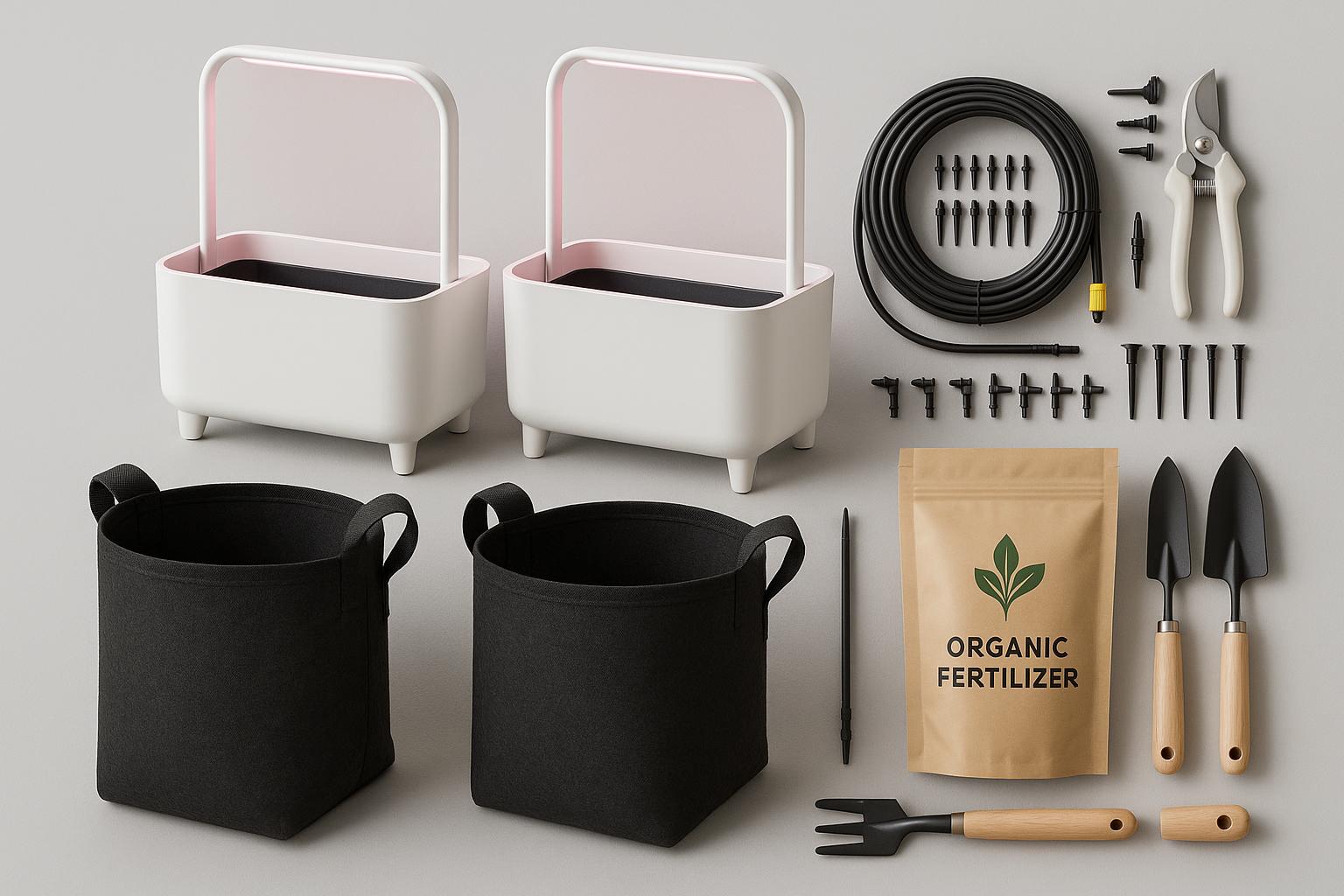
- The Fix: Invest in a set of miniature gardening tools. A small hand scoop, a narrow trowel, and a pair of precision snips will make planting, weeding, and harvesting much easier in the confined spaces of your stackable planter for small spaces.
The Thriving Future of Your Small-Space Garden
Embracing a stackable planter for small spaces is more than just a gardening technique; it's a lifestyle adjustment that proves you don't need acres of land to enjoy fresh, homegrown produce. It’s about being resourceful, creative, and making the most of every square inch you have.
The friendly, encouraging, and practical approach of vertical gardening is perfect for the busy urban dweller. It simplifies the process, reduces the need for weeding, and puts your beautiful harvest right outside your door.
Now that you have the knowledge to select, set up, and maintain your vertical garden, it's time to start planning your perfect layout.
Ready to design your dream vertical garden and track your planting schedule? Use the Urban Grow Planner tool to map out your tiers, choose the best planting times, and monitor your progress all season long. Happy growing!
Related Articles
How To Start Urban Farming For Beginners
Ready to grow your own food? Learn how to start urban farming for beginners with this comprehensive guide on planning, small-space techniques, essential equipment, and common mistakes to avoid.
Balcony Garden Ideas For Beginners
Discover the ultimate balcony garden ideas for beginners! Learn how to maximize small spaces with vertical gardening, choose the best easy-to-grow plants, and avoid common mistakes. Start your urban oasis today!
Container Gardening For Beginners Step By Step
Start your urban garden with this step-by-step guide to container gardening for beginners. Learn about choosing pots, soil, plants, watering, and avoiding common mistakes.
How To Grow Vegetables On Apartment Balcony
Learn how to grow vegetables on apartment balcony with this ultimate guide. Get tips on sun, containers, soil, and the best compact crops for a successful urban garden.