Succession Planting In Container Garden
Master succession planting in your container garden! Learn strategic timing, soil rejuvenation, best plant pairings, and common mistakes to achieve a continuous, season-long harvest from your small space.
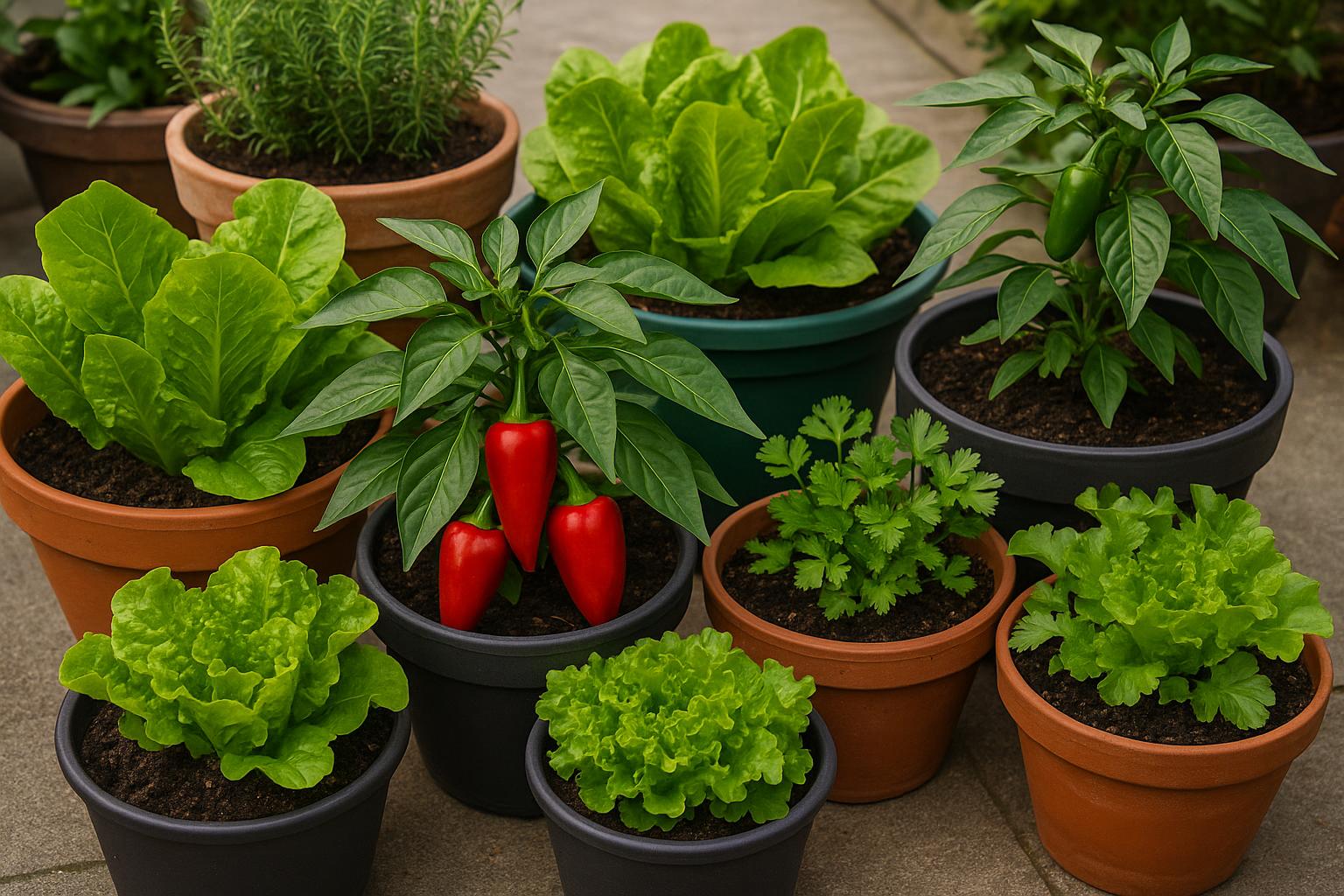
Maximize Your Harvest: Mastering Succession Planting in Container Garden
Quick Summary: Succession planting in container garden is the ultimate technique for urban gardeners to achieve a continuous, season-long harvest from limited space. By strategically staggering your plantings, choosing crops with varying maturity rates, and diligently refreshing your container soil, you can ensure a steady supply of fresh produce. This guide provides actionable steps, plant recommendations, and essential tips on soil management and avoiding common mistakes to help you turn your small space into a productive, year-round food source.
The Urban Gardener's Secret Weapon: Succession Planting in Container Garden
For the urban gardener, space is the most precious commodity. Succession planting in container garden is the strategic technique to maximize yield from limited space, ensuring a continuous harvest and transforming your containers into year-round food factories. Succession planting involves making multiple plantings of the same crop, or planting different crops in the same space as one is harvested, throughout the growing season. This technique is highly effective in containers as it allows for precise management of the limited soil volume, ensuring a new crop is always ready to replace a spent one. This constant rotation maximizes output and contributes to healthier soil and fewer pest problems.
Phase 1: Strategic Planning and Timing for Continuous Harvest
The foundation of successful succession planting is meticulous planning. Container gardening requires a calendar-based approach that considers the specific needs and life cycles of your chosen plants.
Creating Your Succession Planting Calendar
Start by listing the crops you want to grow and noting their Days to Maturity (DTM). This is the time it takes from planting to harvest. For succession planting, you want to stagger your plantings based on this number.
- The Staggered Sowing Method: Sow a small batch of seeds every 2-3 weeks. For example, plant a quarter of a lettuce seed packet every two weeks instead of all at once. This ensures a continuous supply of young, tender leaves and prevents a massive, bolting harvest. It works best for quick-maturing crops like radishes, lettuce, and bush beans.
- The Companion Rotation Method: Plant a fast-maturing crop alongside a slow-maturing one. Once the fast crop is harvested, the slow crop takes over the container space. For instance, plant radishes around a tomato base; the radishes are harvested before the tomato needs the full space.
- The Follow-Up Crop Method: This is the core of succession planting in container garden. As soon as a crop is finished (e.g., spring peas), immediately plant a new, seasonally appropriate crop (e.g., summer basil or bush beans) in the same container. This requires knowing your local growing seasons and plant temperature tolerance.
| Crop Type | Days to Maturity (DTM) | Succession Strategy |
|---|---|---|
| Quick Turnaround (Radish, Arugula) | 21-40 days | Sow every 2-3 weeks until weather is too hot/cold. |
| Medium Turnaround (Bush Beans, Lettuce) | 45-60 days | Sow every 3-4 weeks. Use "cut-and-come-again" varieties to extend harvest. |
| Long Season (Tomatoes, Peppers) | 60-100+ days | Plant once, but use the container edges for quick-turnaround crops. |
Choosing the Right Containers
The size of your container is a critical factor in succession planting. Small containers dry out quickly and offer limited root space, making it difficult to support multiple crops or a second planting.
- Minimum Size: Aim for containers that are at least 5-gallon capacity (around 12 inches in diameter and depth).
- Deep Containers: Essential for root vegetables and long-season crops like tomatoes, providing a larger, more forgiving soil volume for continuous planting.
- Drainage: Ensure excellent drainage holes to prevent waterlogging. Consider self-watering planters or a drip system for consistent moisture.
Phase 2: Soil Health and Nutrient Management
Continuous cropping is incredibly demanding on your container soil. The nutrients in a container are finite and quickly depleted. Therefore, soil rejuvenation is mandatory for long-term success.
The Importance of Potting Mix, Not Garden Soil
Never use garden soil in your containers. It compacts easily, restricts root growth, and can harbor pests and diseases. Always use a high-quality, lightweight potting mix specifically designed for containers. This mix provides the necessary aeration and drainage.
Rejuvenating Soil Between Plantings
When you pull a spent plant, you must replenish the soil before planting the next crop. This is a crucial step that many new gardeners overlook.
- Remove the Old Plant: Cut the old plant off at the soil line, leaving the roots to decay and add organic matter. Only remove roots if the plant was diseased or heavily infested.
- Top-Dress with Compost: Add a generous layer (1-2 inches) of high-quality, well-aged compost to restore soil structure and nutrient balance.
- Incorporate Organic Fertilizer: Mix in a balanced, slow-release granular organic fertilizer appropriate for the next crop (e.g., nitrogen-heavy for greens, phosphorus/potassium-heavy for fruiting crops).
- Add a Soil Amendment: Consider adding worm castings or mycorrhizal fungi to boost microbial activity and nutrient uptake.
By following this four-step process, you are effectively "recharging" your container, ensuring the next crop has the resources it needs to thrive.
Phase 3: Plant Pairings and Product Recommendations
Choosing the right plants and understanding their needs is vital for maximizing your yield. The best crops for succession planting in container garden are those with short DTMs and those that tolerate being planted closely together.
Top Succession Planting Crops for Containers
- Leafy Greens: Lettuce (loose-leaf, "cut-and-come-again"), spinach, arugula, and kale. Excellent for staggered sowing and multiple harvests before bolting.
- Root Vegetables: Radishes (fastest turnaround), baby carrots, and small beets. Plant in small batches; the container is immediately ready for a new crop upon harvest.
- Bush Varieties: Bush beans and bush cucumbers. Their compact size and shorter harvest window free up container space sooner than pole varieties.
- Herbs: Basil, cilantro, and dill. Succession plant every 4-6 weeks to ensure a fresh supply before older plants bolt.
Product Recommendations (Types, Not Brands)
To ensure your success, focus on the quality of your materials.
- Container Type: Fabric grow bags or heavy-duty plastic containers (minimum 5-gallon). Fabric bags offer superior aeration, preventing root circling, which is a huge advantage for continuous cropping.
- Watering System: A drip irrigation kit or self-watering container system. Consistent moisture is the most important factor in container gardening, especially with multiple plants at different stages.
- Fertilizer Type: Use a slow-release granular organic fertilizer at planting, supplemented with a liquid fish emulsion or seaweed extract every two weeks for both long-term and immediate nutrient availability.
Phase 4: Common Mistakes to Avoid in Container Succession Planting
Even with the best intentions, a few common pitfalls can derail your efforts. Being aware of these mistakes is the first step to avoiding them.
1. Neglecting Soil Replenishment
This is the biggest mistake. Planting a second or third crop into depleted soil without adding compost and fertilizer leads to stunted growth and low yields. The new plants will struggle for nutrients, resulting in weak, disease-prone growth. Always treat the transition between crops as a soil "reset."
2. Overcrowding Containers
While succession planting encourages maximizing space, avoid cramming plants in. Overcrowding leads to poor air circulation, inviting fungal diseases like powdery mildew, and intense competition for resources. Always check the mature size of your plants and follow recommended spacing guidelines.
3. Inconsistent Watering
Containers dry out rapidly. Inconsistent watering stresses plants, leading to issues like blossom end rot and premature bolting. A consistent watering schedule, ideally with an automated system, is non-negotiable for a thriving succession planting in container garden.
4. Ignoring Pest and Disease Carryover
If a crop was heavily infested with pests or showed signs of a soil-borne disease, do not plant a susceptible crop in that container immediately. For example, if tomatoes had blight, avoid planting peppers or potatoes next. Instead, plant an unrelated crop (e.g., beans or leafy greens) to break the disease cycle. If the disease was severe, completely replace the potting mix.
5. Planting Cool-Season Crops in Summer Heat
Succession planting must align with the seasons. Planting cool-season crops like lettuce in summer heat will cause them to bolt immediately, yielding bitter leaves. Transition to heat-tolerant crops like basil, okra, or bush beans during the peak of summer, and save cool-season crops for early spring and fall.
Conclusion: The Reward of Continuous Harvest
Mastering succession planting in container garden is a journey that rewards patience, planning, and diligence. It transforms a small, static garden into a dynamic, ever-producing ecosystem. The joy of harvesting fresh vegetables every week is unparalleled. It is the most efficient way to maximize your limited urban space and ensure food security right outside your door.
Ready to turn your succession planting plan into a reality?
The best way to manage the timing, rotation, and soil replenishment for your continuous harvest is with a dedicated tool. Start planning your staggered plantings, tracking your DTMs, and scheduling your soil rejuvenation with the Urban Grow Planner tool. It's designed specifically for the complexities of urban and container gardening, making your succession planting effortless and ensuring you never miss a planting window.
Happy gardening!
Related Articles
How To Start Urban Farming For Beginners
Ready to grow your own food? Learn how to start urban farming for beginners with this comprehensive guide on planning, small-space techniques, essential equipment, and common mistakes to avoid.
Balcony Garden Ideas For Beginners
Discover the ultimate balcony garden ideas for beginners! Learn how to maximize small spaces with vertical gardening, choose the best easy-to-grow plants, and avoid common mistakes. Start your urban oasis today!
Container Gardening For Beginners Step By Step
Start your urban garden with this step-by-step guide to container gardening for beginners. Learn about choosing pots, soil, plants, watering, and avoiding common mistakes.
How To Grow Vegetables On Apartment Balcony
Learn how to grow vegetables on apartment balcony with this ultimate guide. Get tips on sun, containers, soil, and the best compact crops for a successful urban garden.