Summer Container Garden Vegetables
Maximize your urban harvest! Learn the best summer container garden vegetables, essential watering tips, and common mistakes to avoid for a thriving patio or balcony garden.
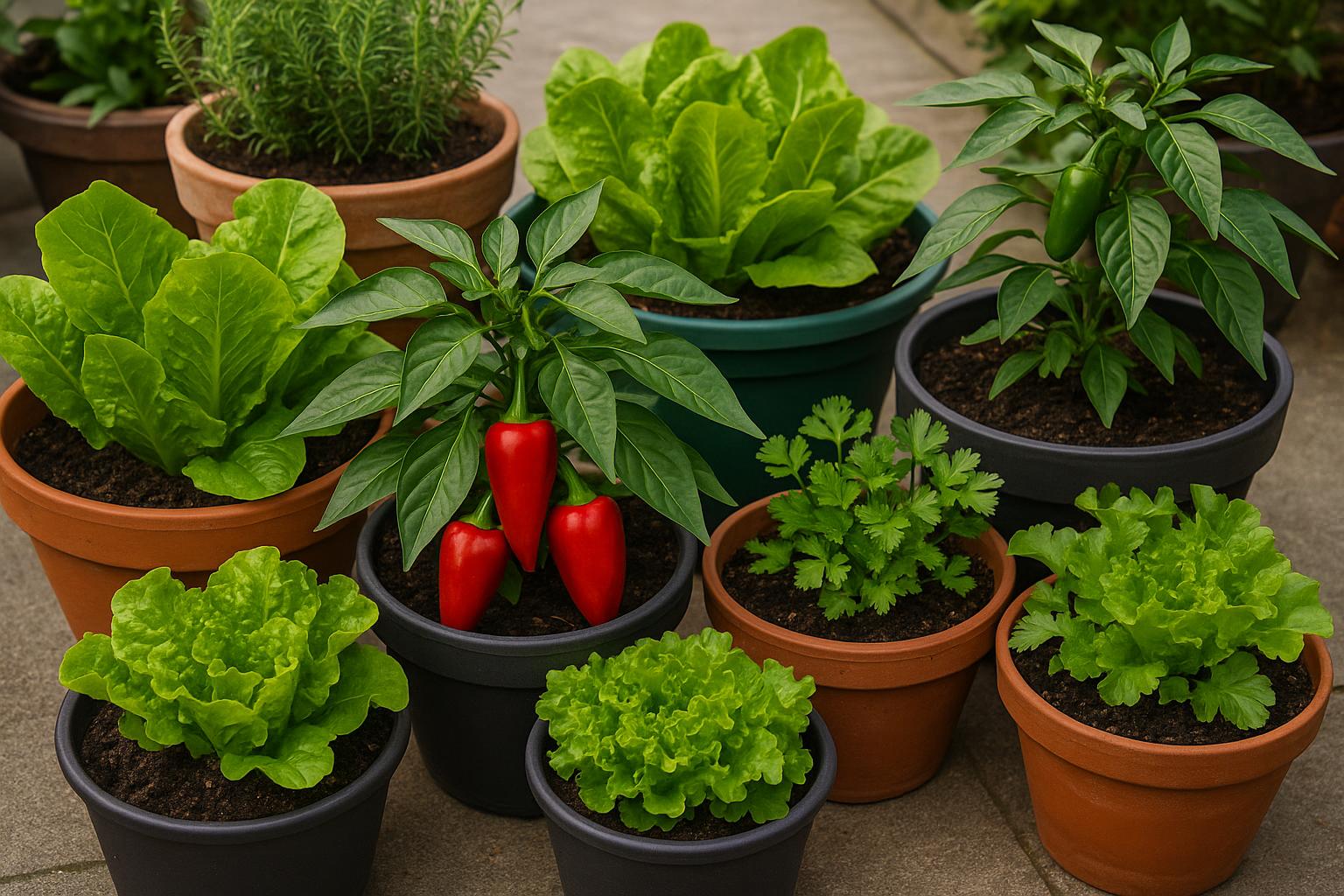
Grow Your Own Harvest: The Ultimate Guide to Summer Container Garden Vegetables
Quick Summary: Dreaming of a bountiful harvest, even with limited space? Growing summer container garden vegetables is the perfect solution for urban gardeners. This comprehensive guide will walk you through selecting the best heat-loving plants, choosing the right containers and soil, mastering a summer watering schedule, and avoiding common mistakes to ensure a thriving, productive garden right on your balcony, patio, or rooftop.
Introduction: Why Container Gardening is Perfect for Urban Harvests
Container gardening has revolutionized the way city dwellers and those with small yards approach growing their own food. It offers unparalleled flexibility, allowing you to control the soil, manage pests more easily, and even move your plants to chase the sun or escape a sudden downpour. When the summer heat hits, containers can be both a blessing and a challenge, but with the right knowledge, you can cultivate a lush, productive garden.
This guide is designed to be your friendly, encouraging, and practical roadmap to success. We’ll focus on the best vegetables that not only tolerate but thrive in the summer warmth, ensuring your effort translates into a delicious, homegrown harvest.
The Best Summer Container Garden Vegetables for a Bountiful Yield
The key to a successful summer container garden is selecting varieties that are naturally heat-tolerant and well-suited to the confined space of a pot. Look for terms like "patio," "bush," or "determinate" on seed packets, as these indicate a more compact growth habit.
Fruiting Favorites: The Heat-Loving Stars
These are the heavy hitters of the summer garden, requiring the most sun and the largest containers to support their growth.
Tomatoes
- Best Varieties: Determinate or "bush" varieties (like Roma or Celebrity) and cherry tomatoes are ideal. Avoid large, indeterminate varieties unless you have a very large container (20+ gallons).
- Container Tip: A minimum of a 10-gallon container is essential for a single tomato plant. Use a sturdy cage or stake installed at planting time to support the heavy fruit.
- Actionable Tip: Tomatoes are heavy feeders. Supplement your soil with a balanced, slow-release granular fertilizer at planting and switch to a liquid feed every two weeks once flowering begins.
Peppers (Sweet and Hot)
- Best Varieties: Bell peppers, jalapeños, and banana peppers all do exceptionally well.
- Container Tip: A 5-gallon container is a good minimum size. Peppers love warm soil, and containers naturally heat up faster, giving them a head start.
- Actionable Tip: Peppers can be top-heavy when loaded with fruit. Provide a small stake or use a tomato cage to prevent the plant from snapping or tipping over.
Eggplants
- Best Varieties: Look for compact or miniature varieties like 'Fairy Tale' or 'Bambino.'
- Container Tip: Use a 5-gallon container or larger. Like their relatives, tomatoes and peppers, eggplants thrive in the heat.
- Actionable Tip: Eggplants are susceptible to flea beetles. Inspect the leaves regularly and use an organic insecticidal soap if you notice small holes appearing.
Summer Squash and Zucchini
- Best Varieties: Choose "bush" or "compact" varieties. Traditional vining squash will quickly overwhelm a container setup.
- Container Tip: A 5-gallon container is the minimum, but 7-10 gallons is better. Give them plenty of space, as even bush varieties can sprawl.
- Common Mistake to Avoid: Overwatering, which can lead to blossom end rot. Ensure consistent, deep watering.
Leafy Greens and Herbs: The Cut-and-Come-Again Crops
While many greens prefer cooler weather, you can still enjoy a harvest by choosing heat-tolerant varieties and providing afternoon shade.
Heat-Tolerant Greens
- Best Varieties: Swiss Chard, Malabar Spinach (a vine that loves heat), and heat-tolerant Kale varieties.
- Container Tip: These have shallow roots and can thrive in smaller, 2-gallon containers or window boxes.
- Actionable Tip: Harvest the outer leaves first (cut-and-come-again method) to encourage continuous production throughout the summer.
Herbs
- Best Varieties: Basil, Rosemary, Thyme, Oregano, and Mint.
- Container Tip: Herbs are perfect for containers of almost any size. Mint and Oregano should always be grown in their own pots to prevent them from taking over the entire garden.
- Actionable Tip: Pinch back the growing tips of basil and other leafy herbs frequently to promote bushier growth and delay flowering, which can make the leaves bitter.
Essential Gear: Choosing the Right Containers and Soil
Your container and your soil are the foundation of your garden. Don't skimp on these two critical components.
Container Selection: Size Matters
The size of your container directly correlates to the health and productivity of your plant. A small pot dries out quickly, stressing the plant and limiting root growth.
| Vegetable Type | Minimum Container Size | Recommended Depth |
|---|---|---|
| Large Fruiting (Tomatoes, Sweet Potatoes) | 10 Gallons | 12+ inches |
| Medium Fruiting (Peppers, Eggplant, Squash) | 5 Gallons | 10+ inches |
| Root Crops (Carrots, Beets) | 3 Gallons | 10-12 inches |
| Greens and Herbs | 2 Gallons | 6-8 inches |
Material Considerations:
- Plastic/Glazed Ceramic: Retains moisture well, but dark colors can absorb too much heat and cook the roots.
- Unglazed Terra Cotta: Looks beautiful but is extremely porous and dries out very quickly in the summer sun.
- Fabric Grow Bags: Excellent for aeration and preventing root circling, but they also dry out faster than plastic.
Crucial Requirement: Every container must have drainage holes. Without them, your plants will drown.
The Right Soil Mix
Never use garden soil in a container. It compacts easily, preventing proper drainage and air circulation.
- Potting Mix: Use a high-quality, sterile potting mix specifically designed for containers. This mix is light, airy, and designed to retain moisture while still draining well.
- Compost: Mix in a generous amount of aged compost (about 20-30% of the total volume) to provide essential nutrients and beneficial microbes.
- Moisture Retention: For extra insurance against the summer heat, consider mixing in a small amount of coconut coir or peat moss to boost water retention.
Mastering the Summer Watering Schedule
Watering is the single most important factor for success with summer container garden vegetables. Containers dry out much faster than in-ground gardens, often requiring daily or even twice-daily watering during peak heat.
The Deep Soak Method
Instead of a light sprinkle, water deeply until you see water running out of the drainage holes. This encourages the roots to grow deep and strong. A light sprinkle only wets the top layer of soil, leaving the lower roots dry.
When to Water
- Timing: Always water in the early morning. This allows the plant to absorb water before the heat of the day, minimizing water loss through evaporation and preventing fungal diseases that can occur when leaves stay wet overnight.
- The Finger Test: Don't water just because the surface looks dry. Stick your finger about two inches deep into the soil. If it feels dry, it's time to water. If it feels moist, wait another day.
Product Recommendation: Self-Watering Systems
For busy urban gardeners, self-watering containers or sub-irrigated planters (SIPs) are a game-changer. They provide a consistent water source from below, drastically reducing the frequency of watering and ensuring your plants never suffer from drought stress.
Common Mistakes to Avoid for Thriving Container Gardens
Even experienced gardeners make mistakes. Being aware of these common pitfalls will help you keep your summer container garden vegetables happy and productive.
1. Using the Wrong Soil
As mentioned, garden soil is a no-go. It will compact into a hard, dense block, suffocating the roots and preventing drainage. Always use a lightweight, well-draining potting mix.
2. Planting Too Many Plants in One Pot
This is a classic beginner mistake. Overcrowding leads to competition for water and nutrients, resulting in stunted, unproductive plants. Follow the container size guidelines above—one tomato plant per 10-gallon pot, not three.
3. Neglecting Fertilization
Since you water containers frequently, nutrients leach out of the soil quickly. Your plants are essentially on a treadmill, constantly needing replenishment.
- Solution: Use a liquid, water-soluble fertilizer every 10-14 days, or incorporate a slow-release granular fertilizer into the soil at the start of the season.
4. Ignoring the Heat
The summer sun can be brutal.
- Solution 1 (Shade): For heat-sensitive plants like leafy greens, move the containers to a spot that receives afternoon shade.
- Solution 2 (Mulch): Apply a 1-2 inch layer of organic mulch (like straw, shredded leaves, or wood chips) to the top of the soil. This acts as insulation, keeping the roots cooler and significantly reducing water evaporation.
- Solution 3 (Container Color): If possible, use light-colored containers to reflect sunlight and keep the root zone from overheating.
5. Forgetting to Prune and Support
Many summer vegetables, especially tomatoes and peppers, benefit from pruning to improve air circulation and direct the plant's energy into fruit production rather than excessive foliage. Always provide support (stakes, cages, or trellises) early, before the plant is heavy with fruit.
Conclusion: Your Summer Harvest Awaits
Growing summer container garden vegetables is one of the most rewarding ways to connect with your food source, no matter how small your space. By choosing the right varieties, providing ample room, and mastering your watering and feeding routine, you can transform a sunny corner into a vibrant, edible oasis. The friendly, encouraging nature of container gardening means you can learn as you go, and every small success will taste all the sweeter.
Ready to plan your perfect urban garden layout, track your planting dates, and manage your watering schedule with precision?
Start your journey today with the Urban Grow Planner! This free, easy-to-use tool is designed specifically for small-space and container gardeners, helping you maximize every inch of your urban harvest. Happy growing!
Related Articles
How To Start Urban Farming For Beginners
Ready to grow your own food? Learn how to start urban farming for beginners with this comprehensive guide on planning, small-space techniques, essential equipment, and common mistakes to avoid.
Balcony Garden Ideas For Beginners
Discover the ultimate balcony garden ideas for beginners! Learn how to maximize small spaces with vertical gardening, choose the best easy-to-grow plants, and avoid common mistakes. Start your urban oasis today!
Container Gardening For Beginners Step By Step
Start your urban garden with this step-by-step guide to container gardening for beginners. Learn about choosing pots, soil, plants, watering, and avoiding common mistakes.
How To Grow Vegetables On Apartment Balcony
Learn how to grow vegetables on apartment balcony with this ultimate guide. Get tips on sun, containers, soil, and the best compact crops for a successful urban garden.