Sunny Balcony Vegetable Garden Ideas
Turn your small space into a productive oasis! Discover the best sunny balcony vegetable garden ideas, including sun-loving plants, container tips, and common mistakes to avoid for a thriving urban harvest.
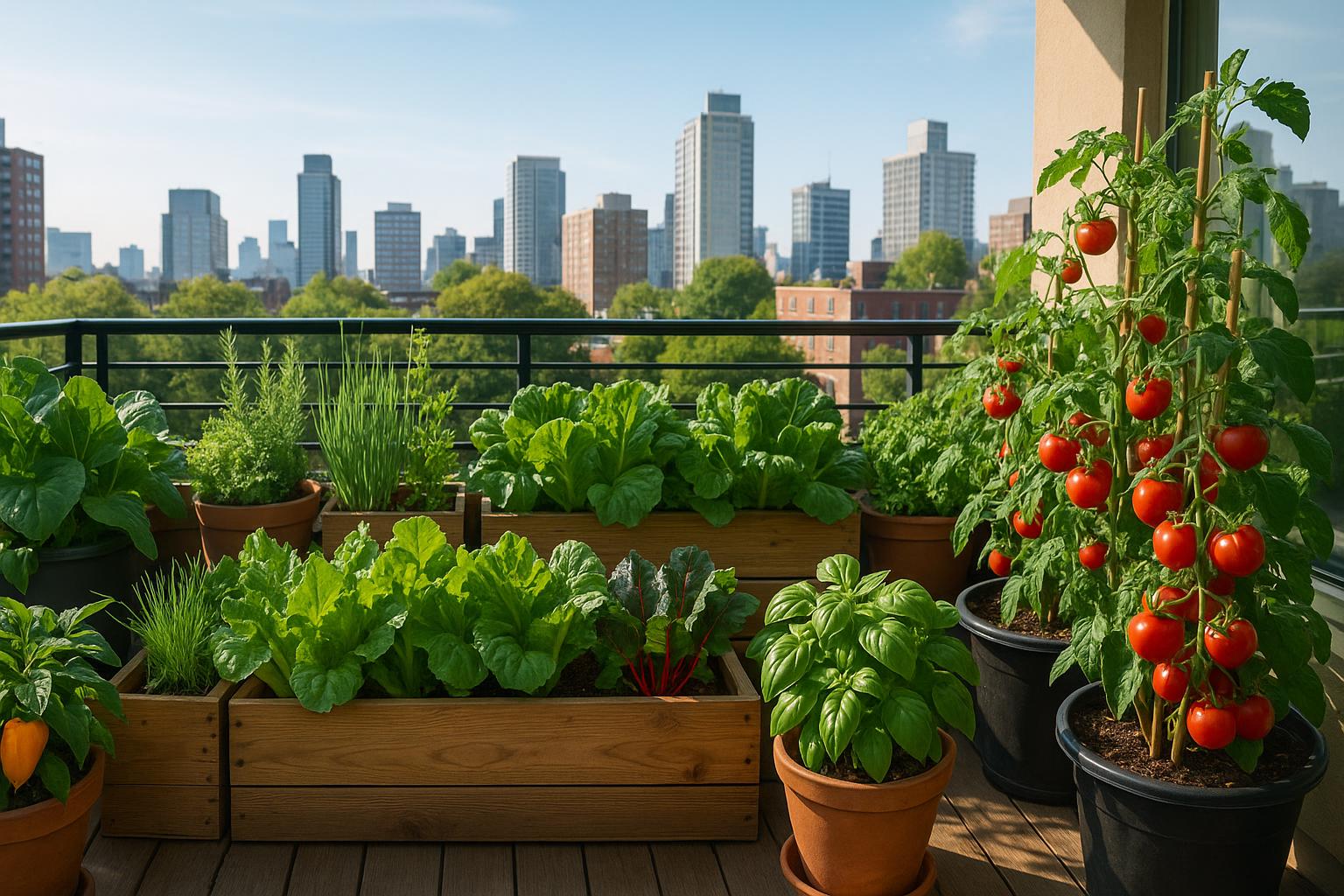
Transform Your Space: The Ultimate Guide to Sunny Balcony Vegetable Garden Ideas
Are you dreaming of fresh, homegrown produce but only have a small balcony to work with? You're in luck! A sunny balcony is a perfect, miniature greenhouse just waiting to be cultivated. With the right approach, you can turn that compact outdoor space into a thriving, productive vegetable garden. This comprehensive guide will walk you through everything you need to know, from choosing the best plants for intense sun to mastering watering and avoiding common pitfalls. Get ready to harvest your own delicious vegetables right outside your door!
The Balcony Advantage: Understanding Your Sunny Space
A balcony that receives six or more hours of direct sunlight is considered a sunny balcony, and this is a huge asset for vegetable gardening. Most fruiting vegetables, like tomatoes and peppers, crave the sun. However, this intense sun also brings challenges, primarily heat and rapid drying of the soil. Understanding your specific microclimate is the first step to success.
Assessing Your Balcony's Microclimate
Before you start planting, take a week to observe your balcony. Note the direction it faces (South-facing balconies in the Northern Hemisphere, or North-facing in the Southern Hemisphere, get the most sun) and how many hours of direct sun it receives. Also, consider wind exposure, as strong winds can dry out plants quickly and even knock over containers. If your balcony is on a high floor, wind protection will be a key part of your design.
Weight and Safety Considerations
This is a crucial, often overlooked step. Containers filled with wet soil and mature plants can be surprisingly heavy. Always check with your building management or a structural engineer about the weight capacity of your balcony. Distribute the weight evenly, placing the heaviest containers near the edges and walls, which are typically the most structurally sound areas. Use lightweight potting mix and plastic or fabric containers instead of heavy terracotta to minimize the load.
Choosing the Right Plants for Sunny Balcony Vegetable Garden Ideas
The secret to a successful sunny balcony vegetable garden ideas is selecting varieties that not only tolerate but thrive in full sun and container life. You want plants that are compact, productive, and heat-tolerant.
Sun-Loving Fruiting Vegetables
These plants are the stars of a sunny balcony:
- Tomatoes: Choose dwarf or determinate varieties like 'Tiny Tim,' 'Micro Tom,' or 'Patio Princess.' These stay small and don't require extensive staking.
- Peppers: Both sweet and hot peppers love the heat. Bell peppers, jalapeños, and shishito peppers are excellent choices. The intense sun will help them produce a high yield of flavorful fruit.
- Eggplant: Look for smaller, globe-shaped or long, slender varieties. They need large containers (at least 5-gallon) to support their growth.
- Cucumbers: Opt for bush varieties instead of vining ones, as they take up less space. 'Bush Pickle' or 'Spacemaster' are good options.
Heat-Tolerant Leafy Greens and Herbs
While many greens prefer shade, some can handle the sun with proper care:
- Swiss Chard and Kale: These are more heat-tolerant than lettuce. Plant them in slightly larger containers and ensure consistent watering.
- Basil: Basil thrives in full sun and heat, making it a perfect companion plant.
- Rosemary, Thyme, and Oregano: These Mediterranean herbs are naturally drought-tolerant and love the intense sun. They are excellent for the hottest, driest spots on your balcony.
Root Vegetables in Containers
Don't forget about growing underground!
- Carrots: Choose short, round varieties like 'Paris Market' or 'Danvers Half Long' for containers. Use deep pots (at least 12 inches) to allow for proper root development.
- Radishes: These are quick-growing and can be tucked into small spaces or around the edges of larger containers.
- Beets: They grow well in containers and you can harvest both the root and the leafy greens.
Essential Gear: Containers, Soil, and Fertilizer
The foundation of any container garden is the container itself, the soil you fill it with, and the nutrients you provide. Skimping on these will lead to disappointment.
Choosing the Right Containers
The size of your container directly impacts the health and productivity of your plant. A common mistake is choosing a pot that is too small.
| Vegetable Type | Minimum Container Size (Gallons) | Recommended Container Depth (Inches) |
|---|---|---|
| Cherry Tomatoes, Peppers, Eggplant | 5-10 gallons | 12-18 inches |
| Bush Cucumbers, Zucchini (Dwarf) | 7-10 gallons | 15-20 inches |
| Leafy Greens, Herbs, Radishes | 1-3 gallons | 6-10 inches |
| Carrots, Beets | 3-5 gallons | 12-15 inches |
Material Matters: Fabric grow bags are excellent for balcony gardening. They are lightweight, promote air pruning of roots, and help prevent overwatering. Plastic containers are also lightweight and retain moisture well, which is a benefit in a sunny, hot environment. Avoid dark-colored containers, as they absorb more heat and can cook the roots.
The Importance of Quality Potting Mix
Never use garden soil or topsoil in containers. They compact easily, leading to poor drainage and suffocated roots. Instead, use a high-quality, lightweight potting mix specifically designed for containers. This mix will be peat- or coir-based, providing the necessary aeration and drainage. You can improve moisture retention by mixing in a handful of compost or a water-retaining polymer (not too much, as it can cause waterlogging).
Feeding Your Hungry Plants
Since you water containers frequently, nutrients leach out quickly. This means you must fertilize regularly. Start with a slow-release granular fertilizer mixed into the potting soil at planting time. Supplement this with a liquid organic fertilizer (like a fish emulsion or seaweed extract) every two to three weeks, or as directed on the product label. Look for a balanced N-P-K ratio (e.g., 5-5-5) for general growth, switching to a higher phosphorus formula when plants begin to flower and fruit.
Mastering the Balcony Watering Challenge
The single biggest challenge for a sunny balcony vegetable garden ideas is watering. The combination of sun, heat, wind, and limited soil volume means your plants will dry out rapidly, often needing water twice a day during the peak of summer.
The Finger Test and Consistent Moisture
The best way to check if your plant needs water is the finger test. Stick your index finger about an inch or two into the soil. If it feels dry, it's time to water. If it feels moist, wait. The goal is to keep the soil consistently moist, not soggy. Fluctuations between bone-dry and soaking wet cause stress, leading to issues like blossom end rot in tomatoes.
Automated and Self-Watering Solutions
For busy gardeners, an automated system is a game-changer. A simple drip irrigation system connected to a small timer can ensure your plants get the right amount of water at the right time, even when you're away for a weekend. Alternatively, consider using self-watering containers. These have a built-in reservoir that wicks water up to the roots, providing a consistent supply and reducing the frequency of manual watering.
Watering Technique
Always water thoroughly until you see water draining from the bottom of the pot. This ensures the entire root ball is saturated and helps flush out excess mineral salts that can build up in the soil. Water the soil directly, avoiding the leaves, especially in the evening, to prevent fungal diseases.
Common Mistakes to Avoid in Your Sunny Balcony Garden
Even experienced gardeners make mistakes, but knowing the most common ones can save you a lot of heartache.
1. Overlooking Weight Restrictions
As mentioned, this is a safety issue. Never overload your balcony. If you have many large containers, consider a vertical gardening system to grow upward instead of outward, or use lightweight materials exclusively.
2. Using the Wrong Soil
Using garden soil or cheap, heavy potting mix is a recipe for disaster. It compacts, retains too much water, and starves the roots of oxygen. Always invest in a premium, lightweight container mix.
3. Underestimating the Sun's Intensity
While the plants love the sun, the containers themselves can get dangerously hot. On extremely hot days, the sun can literally bake the roots. Use light-colored pots, or consider shading the sides of your containers with a piece of light-colored fabric or wood during the hottest part of the afternoon.
4. Neglecting Pest and Disease Control
Container gardens are not immune to pests. The close proximity of plants on a balcony can allow pests like aphids, spider mites, and whiteflies to spread quickly. Inspect your plants daily. At the first sign of trouble, use a simple solution of insecticidal soap or neem oil to treat the affected areas. Good air circulation is also key to preventing fungal diseases like powdery mildew.
5. Ignoring the Need for Pollination
If you are growing fruiting plants like tomatoes, peppers, or cucumbers, they need to be pollinated to produce fruit. On a high-rise balcony, natural pollinators like bees may be scarce. You may need to become the pollinator! Use a small, soft paintbrush or an electric toothbrush to gently transfer pollen from the male flower parts to the female flower parts. This is especially important for squash and cucumbers.
Maximizing Space with Vertical and Smart Design
Since space is at a premium, you need to think vertically and creatively to maximize your harvest.
Vertical Gardening Systems
Vertical gardening is the ultimate space-saver for sunny balcony vegetable garden ideas.
- Trellises and Cages: Use cages for your determinate tomatoes and trellises for bush cucumbers or pole beans. Secure them firmly to the railing or wall.
- Wall Planters: Mount tiered planters or pocket-style fabric planters on a sunny wall for growing herbs, lettuce, and strawberries.
- Shelving Units: Use sturdy, open shelving units to hold multiple small containers. Place sun-loving plants on the top shelves and more shade-tolerant greens on the lower ones.
Companion Planting for Balconies
Companion planting is the practice of growing different plants together for mutual benefit. On a balcony, this is a great way to save space and deter pests.
- Plant basil with your tomatoes; it's believed to improve the tomato's flavor and repel flies.
- Tuck marigolds into your containers; their scent can deter nematodes and other harmful insects.
- Grow chives or onions near carrots to help repel carrot rust flies.
Seasonal Planning and Maintenance
Your balcony garden will change with the seasons, and your planting schedule should too.
Succession Planting
To ensure a continuous harvest, practice succession planting. Instead of planting all your lettuce seeds at once, plant a small batch every two to three weeks. As one batch finishes, the next one is ready to harvest. This works well for quick-growing crops like radishes, lettuce, and bush beans.
End-of-Season Care
As the weather cools, you can transition your sunny balcony to cool-season crops like spinach, cabbage, and broccoli. Once the growing season is completely over, empty your containers. Do not reuse the old potting mix, as it will be depleted of nutrients and may harbor pests or diseases. Clean your containers, store them, and start fresh with new potting mix next spring.
Troubleshooting Your Balcony Garden
Even with the best planning, problems can arise. Here are quick fixes for common issues:
- Wilting Plants: If the soil is dry, water immediately. If the soil is wet, the plant may be overwatered (root rot). Check drainage holes and ensure the pot is not sitting in a saucer of water.
- Yellowing Leaves: This is often a sign of nutrient deficiency (especially nitrogen) or overwatering. Apply a liquid fertilizer and check your watering schedule.
- Blossom Drop: If your tomato or pepper flowers are falling off without setting fruit, the temperature is likely too high (above 90°F/32°C) or the plant is not being pollinated. Try shading the plant during the hottest part of the day and hand-pollinate.
Conclusion: Your Urban Harvest Awaits
Transforming your sunny balcony into a productive vegetable garden is one of the most rewarding projects an urban dweller can undertake. It’s a space-saving, sustainable way to enjoy the freshest food possible. By choosing the right plants, using high-quality soil, and mastering the art of watering in a high-sun environment, you can overcome the challenges of container gardening and enjoy a bountiful harvest. Don't let a small space limit your gardening dreams.
Ready to plan your perfect urban oasis? Take the guesswork out of container gardening and maximize your yield by using the Urban Grow Planner tool. It helps you track sun exposure, calculate soil needs, and plan your succession planting schedule for a year-round harvest! Start planning your dream sunny balcony vegetable garden ideas today and taste the difference homegrown makes.
Related Articles
How To Start Urban Farming For Beginners
Ready to grow your own food? Learn how to start urban farming for beginners with this comprehensive guide on planning, small-space techniques, essential equipment, and common mistakes to avoid.
Balcony Garden Ideas For Beginners
Discover the ultimate balcony garden ideas for beginners! Learn how to maximize small spaces with vertical gardening, choose the best easy-to-grow plants, and avoid common mistakes. Start your urban oasis today!
Container Gardening For Beginners Step By Step
Start your urban garden with this step-by-step guide to container gardening for beginners. Learn about choosing pots, soil, plants, watering, and avoiding common mistakes.
How To Grow Vegetables On Apartment Balcony
Learn how to grow vegetables on apartment balcony with this ultimate guide. Get tips on sun, containers, soil, and the best compact crops for a successful urban garden.