Urban Farming Basics For Small Spaces
Unlock the secrets of urban farming basics for small spaces! Learn actionable tips, essential gear, and common mistakes to grow fresh produce on your balcony or patio.
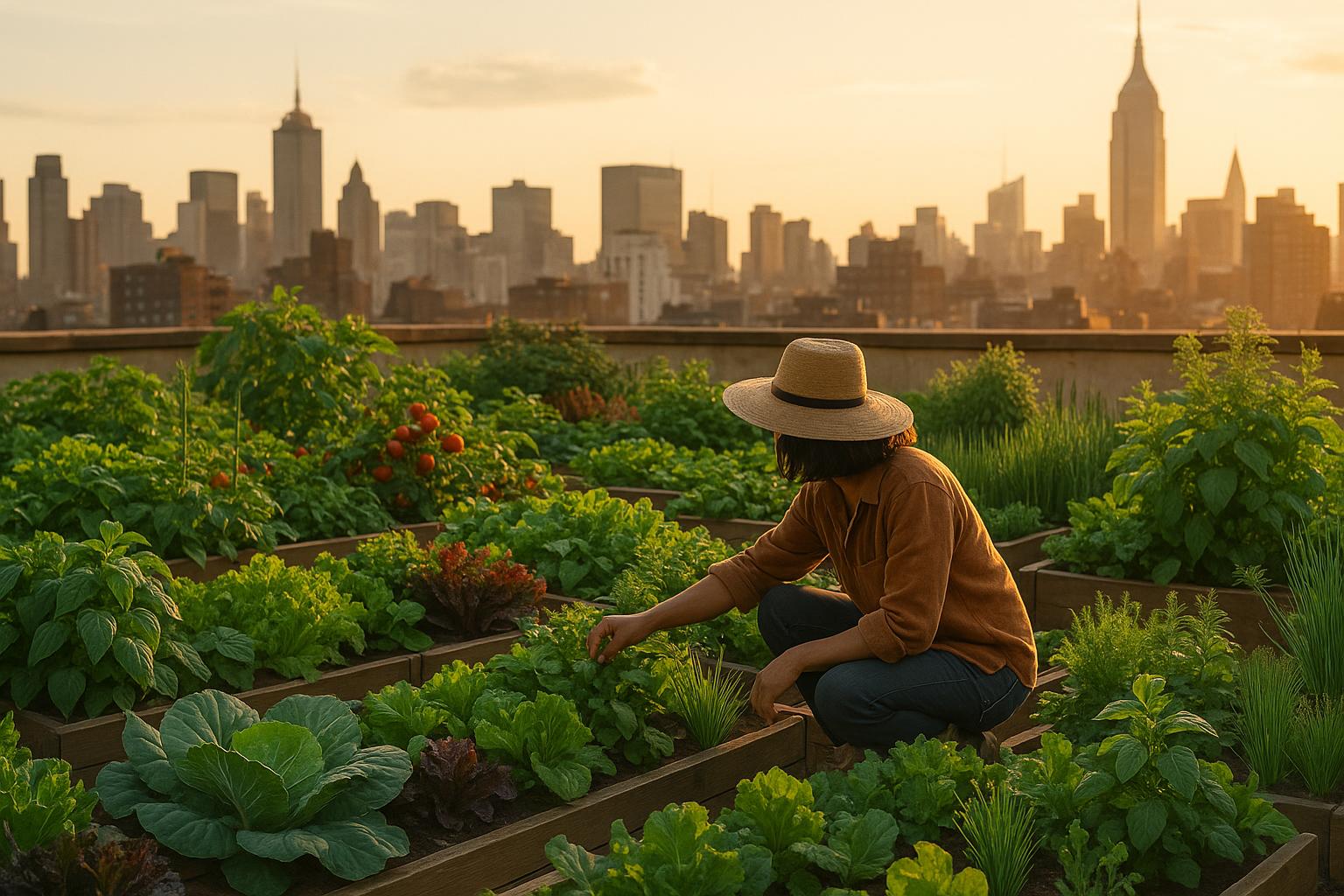
Urban Farming Basics for Small Spaces: Your Complete Guide to Growing Food Anywhere
Quick Summary
You don't need a sprawling backyard to enjoy the incredible rewards of growing your own food. Urban farming basics for small spaces are surprisingly simple to master, turning even the tiniest balcony, patio, or windowsill into a productive edible garden. This comprehensive guide will walk you through the essential steps, from assessing your sunlight to choosing the right containers and crops. By focusing on vertical growth and smart planning, you can overcome space limitations and start harvesting fresh, hyper-local produce right outside your door. Get ready to transform your urban environment into a thriving green oasis.
Why Urban Farming in Small Spaces is the Future
The movement toward growing food in cities is more than just a trend; it is a practical and sustainable way to reconnect with our food sources. Even with limited square footage, urban farming offers profound benefits that extend far beyond the dinner plate. It is an accessible hobby that empowers city dwellers to take control of their nutrition and contribute to a greener planet.
The Joy of Hyper-Local Produce
Imagine stepping outside and picking a sun-warmed tomato or a handful of crisp lettuce leaves just moments before your meal. This is the unparalleled joy of hyper-local produce. Food grown at home retains maximum flavor and nutritional value because it is harvested at its peak ripeness, unlike store-bought produce that travels long distances. Furthermore, growing your own food drastically reduces your carbon footprint, making your small-space garden a powerful statement in sustainability.
Overcoming Space Limitations
The biggest misconception about gardening is that it requires a large plot of land. Modern urban farming techniques are specifically designed to maximize every available inch. The key lies in two primary methods: container gardening and vertical gardening. Container gardening allows you to move your plants to follow the sun or protect them from harsh weather. Vertical gardening utilizes walls, railings, and stacked systems to grow upwards, multiplying your growing area without taking up more floor space. These methods make it possible to produce a surprising amount of food in a space no larger than a small closet.
Essential Urban Farming Basics for Small Spaces: Planning and Location
Successful small-space farming begins with careful planning. Before you buy a single seed or bag of soil, you must understand the unique environment you are working with. This initial assessment will save you time, money, and the frustration of failed crops.
Sun is Your Best Friend
Sunlight is the single most critical factor for almost all edible plants. Most vegetables, especially fruiting plants like tomatoes, peppers, and cucumbers, require a minimum of six to eight hours of direct sunlight per day. For your urban farming project, spend a day observing your space and noting exactly where and when the sun hits. If your space receives less than six hours, focus on shade-tolerant crops like leafy greens and root vegetables. Remember that the sun's path changes with the seasons, so plan for the most intense growing months.
Maximizing Vertical Space
In a small space, you must think up, not out. Maximizing vertical space is a cornerstone of effective urban farming basics for small spaces. Consider installing trellises or arbors against walls for vining plants like pole beans or small squash. Hanging planters can utilize balcony railings or overhead supports for herbs and strawberries. For a more structured approach, tiered shelving units or specialized vertical garden systems allow you to stack multiple containers, dramatically increasing your plant count in a small footprint.
Water Source and Drainage
Watering is a daily commitment in container gardening, as pots dry out much faster than in-ground beds. Ensure your chosen location is near a convenient water source, whether it is a hose connection or simply easy access for a watering can. Crucially, every single container must have excellent drainage holes. Without them, water will pool, suffocating the roots and leading to root rot, which is a common killer of container plants. Placing containers on pot feet or blocks can help ensure water flows freely out of the bottom.
Choosing the Right Containers and Soil
The containers and soil you choose are the life support system for your urban garden. Investing in the right materials will directly translate into healthier, more productive plants. Avoid the temptation to use any old container; the right choice is essential for proper root development and moisture retention.
Container Types for Every Nook
The variety of containers available can be overwhelming, but each type has specific advantages for small-space gardening. Fabric grow bags are excellent because they are lightweight, promote air pruning of roots for healthier growth, and fold flat for easy storage. Terracotta pots are aesthetically pleasing but dry out quickly, making them better suited for drought-tolerant herbs. Plastic containers are affordable and retain moisture well, but dark colors can overheat roots in direct sun. Finally, self-watering planters are a fantastic option for busy urban farmers, as they have a built-in reservoir that reduces the frequency of watering.
The Foundation: Quality Growing Medium
Never use soil dug up from a traditional garden bed in your containers. Garden soil is too dense, compacts easily, and can harbor pests and diseases. The foundation of successful container gardening is a high-quality, lightweight potting mix. A good mix is sterile, porous, and designed to hold moisture while still allowing for excellent drainage. To give your plants the best start, enrich your potting mix with organic matter like compost or worm castings. This provides a slow, steady release of nutrients, which is vital since container plants rely entirely on you for their food.
What to Grow: Smart Crop Selection for Limited Areas
When space is at a premium, you must be strategic about what you plant. The goal is to select crops that offer a high yield relative to the space they occupy. This means prioritizing "cut-and-come-again" plants and compact varieties.
High-Yield, Low-Space Heroes
Focus on plants that can be harvested repeatedly or that mature quickly. Leafy greens like spinach, lettuce, and kale are perfect because you can pick the outer leaves and the plant will continue to produce. Herbs such as basil, mint, chives, and parsley thrive in small pots and provide continuous harvests. For vegetables, look for compact varieties like bush beans (which don't need a trellis), radishes (which mature in under a month), and carrots bred for containers. These heroes ensure your small space is always producing.
Vertical Growers
Embrace vining plants that can be trained to grow up your trellises or railings. Small-fruited cherry tomatoes are ideal, as they are less heavy than beefsteak varieties and can be grown in five-gallon containers. Cucumbers also do well when trained vertically, but be sure to choose a compact or bush variety to manage their vigor. Training these plants upwards not only saves space but also improves air circulation, which helps prevent common fungal diseases.
Avoid These Space Hogs
While it might be tempting, some plants are simply too large or require too much root space for efficient small-scale urban farming. Avoid full-sized squash, corn, and melons unless you have a very large container and a dedicated, robust trellis system. Also, while potatoes can be grown in containers, they require a significant volume of soil to produce a decent harvest, often making them less efficient than leafy greens in a truly tiny space.
Daily Care and Maintenance: Practical Tips for Success
Consistency is the secret ingredient in container gardening. Because your plants are entirely dependent on you for water and nutrients, a regular routine is essential for their health and productivity.
Watering Wisdom
The most common mistake in container gardening is improper watering. You should always water deeply until you see water running out of the drainage holes. This ensures the entire root ball is saturated. The frequency will vary based on weather, container material, and plant size, but a good rule of thumb is to check the soil moisture daily. Stick your finger about an inch or two into the soil; if it feels dry, it is time to water. Consider installing a simple drip irrigation system on a timer for ultimate convenience and water efficiency.
Feeding Your Plants
Since frequent watering leaches nutrients from the soil, container plants need regular feeding. About four to six weeks after planting, begin applying a balanced, water-soluble liquid fertilizer every two to three weeks. Alternatively, you can mix slow-release granular fertilizer into the potting mix at the start of the season. Always follow the product instructions carefully, as over-fertilizing can burn your plants.
Pest Patrol
Pests are a reality in any garden, but in a small urban space, they are easier to manage. The best defense is daily observation. Look under leaves and along stems for early signs of trouble. For small infestations, a strong jet of water can often dislodge pests like aphids. For more persistent issues, use an organic solution like neem oil spray or insecticidal soap. These non-toxic options are safe for edible plants and effective when applied consistently.
Common Mistakes to Avoid in Urban Farming Basics for Small Spaces
Learning from the mistakes of others is the fastest way to success. By sidestepping these common pitfalls, you can ensure your urban garden thrives from day one.
Overcrowding
It is easy to get excited and plant too many seeds or seedlings in one container. Overcrowding leads to intense competition for light, water, and nutrients, resulting in weak, unproductive plants. Always follow the spacing recommendations on seed packets, even if it feels like you are leaving empty space. Thinning out seedlings early is a necessary, though sometimes difficult, step to ensure the remaining plants have room to flourish.
Ignoring Drainage
We cannot stress this enough: drainage is non-negotiable. A container without drainage is a death trap for roots. If you are repurposing a container, such as a plastic tote or bucket, you must drill several large holes in the bottom. Even a single day of sitting in water can severely damage or kill your plants.
Underestimating Sun Needs
Placing a sun-loving tomato plant in a shady corner is a recipe for disappointment. The plant will grow tall and spindly (a process called etiolation) as it desperately searches for light, and it will produce very few, if any, fruits. Be honest about your sunlight assessment and choose your crops accordingly. If your sun exposure is limited, focus on those leafy greens and root vegetables that tolerate less light.
Using the Wrong Soil
As mentioned, using heavy garden soil is a critical error. It compacts into a solid block when watered, preventing air and water from reaching the roots. Always use a high-quality, well-aerated potting mix specifically formulated for containers. This simple choice is one of the most important urban farming basics for small spaces you can implement.
Ready to Start Your Urban Farming Journey?
Mastering the urban farming basics for small spaces is an incredibly rewarding endeavor. With smart planning, the right containers, and a little daily care, you can transform your small patch of concrete into a vibrant, productive food source. The journey from seed to harvest is one of the most satisfying experiences you can have, and it all starts with that first step.
To help you plan your layout, track your planting dates, and manage your harvests, we encourage you to use the Urban Grow Planner tool. It is the perfect companion to your new small-space garden, helping you organize your vertical systems and container rotations for maximum yield. Start planning today and enjoy the taste of your own homegrown success!
Related Articles
How To Start Urban Farming For Beginners
Ready to grow your own food? Learn how to start urban farming for beginners with this comprehensive guide on planning, small-space techniques, essential equipment, and common mistakes to avoid.
Balcony Garden Ideas For Beginners
Discover the ultimate balcony garden ideas for beginners! Learn how to maximize small spaces with vertical gardening, choose the best easy-to-grow plants, and avoid common mistakes. Start your urban oasis today!
Container Gardening For Beginners Step By Step
Start your urban garden with this step-by-step guide to container gardening for beginners. Learn about choosing pots, soil, plants, watering, and avoiding common mistakes.
How To Grow Vegetables On Apartment Balcony
Learn how to grow vegetables on apartment balcony with this ultimate guide. Get tips on sun, containers, soil, and the best compact crops for a successful urban garden.