Vertical Garden Ideas For Small Balcony
Transform your small balcony into a lush oasis! Discover the best vertical garden ideas, systems, and plant choices for tiny urban spaces. Get expert tips on watering and avoid common mistakes.
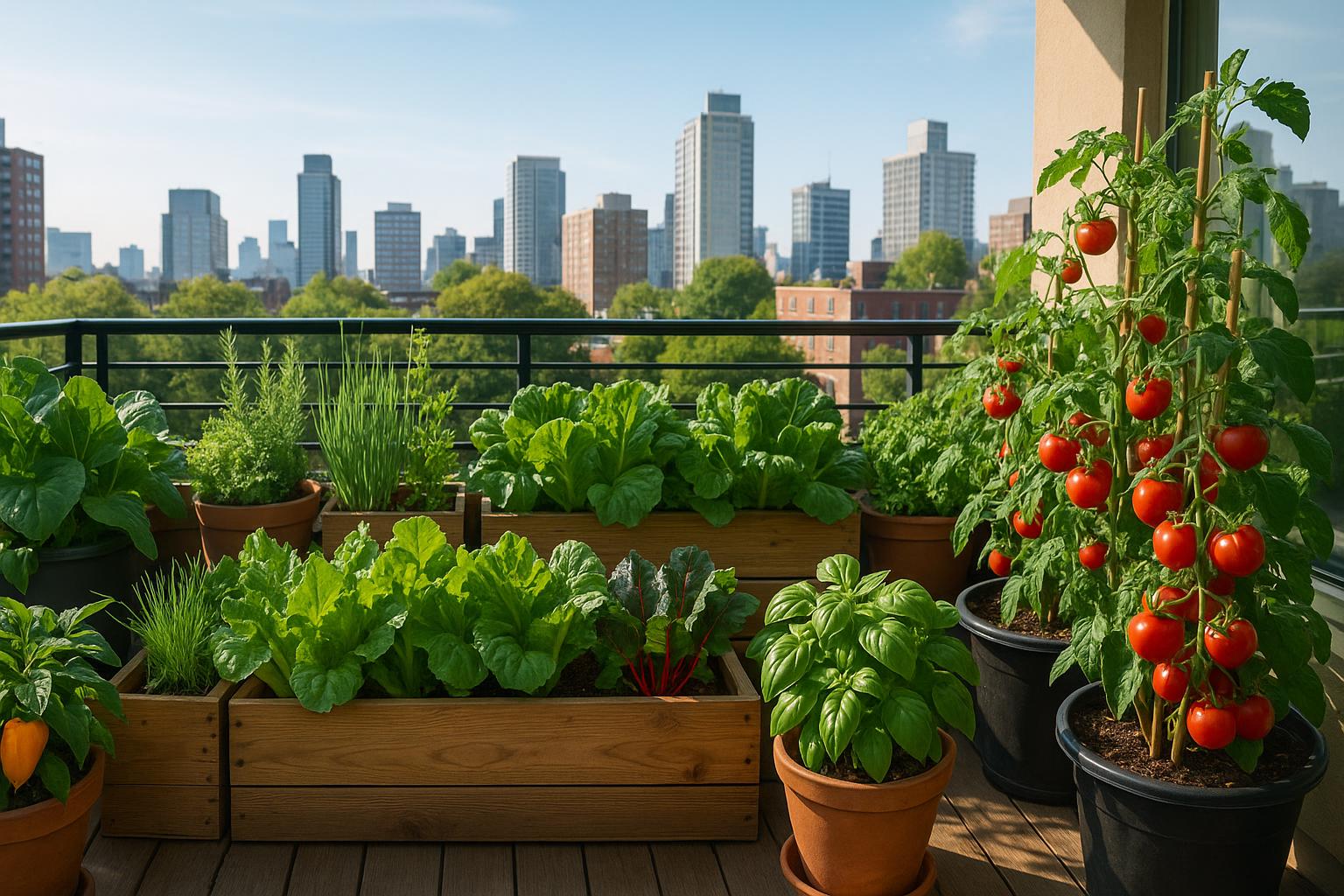
Transform Your Tiny Space: The Ultimate Guide to Vertical Garden Ideas for Small Balcony
Quick Summary: Don't let a small balcony limit your gardening dreams! Vertical gardening is the perfect solution to maximize your growing space upwards. This comprehensive guide will walk you through the best vertical garden systems, ideal plant choices, essential watering techniques, and common mistakes to avoid, ensuring your small balcony transforms into a lush, productive urban oasis.
The Power of Going Up: Why Vertical Garden Ideas for Small Balcony Spaces are Essential
Living in an urban environment often means sacrificing outdoor space, but it doesn't mean you have to give up on gardening. A small balcony is a hidden gem, a blank canvas waiting to be transformed into a vibrant green retreat. The key to unlocking its full potential is to think vertically.
Vertical gardening is more than just a trend; it's a practical, space-saving technique that allows you to cultivate a significant number of plants in a minimal footprint. By utilizing walls, railings, and freestanding structures, you can turn a cramped balcony into a multi-tiered garden that is both beautiful and productive. This approach not only maximizes your growing area but also adds a stunning visual element, creating a sense of privacy and bringing nature closer to your home.
The search for effective vertical garden ideas for small balcony spaces is a common one, and the good news is that there are countless creative and affordable solutions available. Whether you're dreaming of fresh herbs, colorful flowers, or even a few vegetables, going vertical is the smartest way to garden in a tight spot.
Choosing Your Vertical Garden System: Making Every Inch Count
The first step in creating your balcony garden is selecting the right vertical system. The best choice depends on your budget, the amount of sun your balcony receives, and the type of plants you wish to grow. Here are the most popular and effective systems for small spaces.
Modular and Freestanding Systems
Modular systems are incredibly popular because they offer flexibility and easy installation. They are perfect for renters as they require no permanent changes to the structure of the building.
Stackable Planters
These systems consist of individual pots or trays that stack directly on top of one another, forming a tiered tower. They are excellent for strawberries, herbs, and small annual flowers. The main advantage is that they are easy to move and reconfigure, but you must ensure the top planters are watered thoroughly so the water trickles down to the lower tiers.
Freestanding Vertical Frames
These are often metal or wooden frames designed to hold multiple pots or grow bags. They provide a sturdy structure and allow for good air circulation around the plants. Look for frames with built-in drip line irrigation systems, as these can simplify watering significantly, especially during hot summer months.
Wall-Mounted and Railing Systems
If you have a solid wall or a sturdy railing, mounting your garden directly to it is the ultimate space-saver. This is where many of the most creative vertical garden ideas for small balcony designs come to life.
Pocket Planters (Felt or Fabric)
These lightweight systems are made of durable, breathable fabric with multiple pockets sewn in. They are ideal for shallow-rooted plants like succulents, lettuce, and many herbs. They are easy to hang and can cover a large area quickly, instantly transforming a plain wall into a living tapestry. Be mindful that fabric can dry out quickly, so they may require more frequent watering.
Pallet Gardens and Repurposed Shelving
For the DIY enthusiast, a repurposed wooden pallet can be a fantastic, rustic vertical garden. By adding shelves or securing pots to the slats, you create a tiered planting area. Similarly, old, narrow shelving units can be turned on their side or used as-is to hold rows of small pots, maximizing the surface area for planting. Pallets are particularly brilliant for shallow-rooted plants like lettuce greens, strawberries, and pansies.
Railing Planters
These are specifically designed to hook over your balcony railing. While not strictly "vertical," they utilize the often-wasted space on the perimeter and can be a great starting point. They are perfect for trailing plants that can spill over the edge, adding a lush, cascading effect.
Plant Selection: Choosing the Right Greenery for Your Vertical Garden
The success of your vertical garden hinges on choosing the right plants for your specific balcony conditions. Consider the amount of sunlight, wind exposure, and the depth of your planting system.
Best Plants for Balcony Vertical Gardens
The limited soil volume in most vertical systems means you should prioritize compact, shallow-rooted, and low-maintenance plants.
| Plant Type | Ideal Choices for Vertical Gardens | Why They Work |
|---|---|---|
| Herbs | Basil, Thyme, Parsley, Chives, Mint, Oregano | Compact, high-yield, and perfect for small pockets or tiers. Mint is best kept in its own container to prevent spreading. |
| Greens | Lettuce (leafy varieties), Spinach, Arugula, Kale | Shallow roots and quick harvest cycles make them ideal for fabric pockets and pallet gardens. |
| Flowers | Petunias, Pansies, Marigolds, Sweet Alyssum, Impatiens | Provide vibrant color and don't require deep soil. Trailing varieties are excellent for the top row of a tiered system. |
| Vegetables | Bush Beans, Small Tomato Varieties (e.g., Tiny Tim), Strawberries | Choose dwarf or bush varieties. Strawberries thrive in stackable planters. Avoid large, vining plants unless you have a very sturdy trellis. |
| Low-Maintenance | Succulents, Ferns, Low-growing Ground Covers | Excellent for balconies with less-than-ideal light or for gardeners who travel frequently. |
Assessing Your Balcony's Sun Exposure
- South-Facing Balcony (Full Sun): Ideal for sun-loving herbs (basil, rosemary), tomatoes, and most flowering annuals.
- East-Facing Balcony (Morning Sun): Perfect for leafy greens, ferns, and shade-tolerant flowers like impatiens.
- West-Facing Balcony (Afternoon Sun): Can be intense. Choose heat-tolerant plants and ensure adequate watering.
- North-Facing Balcony (Shade): Focus on shade-loving plants like ferns, hostas, and mosses.
Essential Care and Maintenance: Watering and Feeding Your Vertical Oasis
Vertical gardens, especially those on small balconies, require a slightly different approach to care than traditional in-ground gardens. The limited soil volume means they can dry out quickly and nutrient depletion is a constant concern.
Mastering the Art of Watering
Watering issues are the number one challenge in vertical gardening. Because the soil is exposed to more air and sun, it dries out much faster.
- The Top-Down Trick: When hand-watering, always start at the top tier and work your way down. This allows the water to slowly filter through the entire system.
- Check Moisture Levels: Don't water on a schedule. Instead, check the soil moisture in the middle and lower tiers. Stick your finger about an inch deep; if it feels dry, it's time to water.
- Drip Irrigation Systems: For busy gardeners, investing in a simple, battery-operated drip irrigation system is a game-changer. These systems deliver water directly to the roots on a timer, ensuring consistent moisture and preventing both over- and under-watering. They are especially useful for maximizing your vertical garden ideas for small balcony efficiency.
Feeding Your Plants
With frequent watering, nutrients leach out of the small amount of soil quickly. Your plants will need regular feeding to thrive.
- Slow-Release Fertilizer: Mix a slow-release granular fertilizer into the potting mix at the beginning of the season. This provides a steady supply of nutrients over several months.
- Liquid Feed: Supplement with a diluted liquid fertilizer every two to four weeks. A balanced, all-purpose liquid feed is usually sufficient for most herbs and flowers. For fruiting plants like tomatoes or strawberries, switch to a feed higher in phosphorus and potassium once they begin to flower.
Common Mistakes to Avoid in Your Balcony Vertical Garden
Even the most enthusiastic urban gardener can stumble. Being aware of these common pitfalls will save you time, money, and heartache.
Overcrowding and Plant Selection Errors
- Overcrowding: It's tempting to cram as many plants as possible into your limited space, but this is a recipe for disaster. Overcrowding leads to poor air circulation, which encourages fungal diseases and pests. Give each plant enough room to breathe and grow to its mature size.
- Choosing the Wrong Plants: As mentioned, avoid large, vining, or deep-rooted plants. A zucchini plant, for example, will quickly outgrow a small vertical pocket and require a massive amount of water and support. Stick to compact varieties.
- Ignoring Location Needs: Don't place a shade-loving fern in a sun-drenched spot, or a sun-loving basil in a dark corner. Match the plant's needs to the specific microclimate of its location on your balcony. Remember that the top of your vertical garden will likely receive more sun than the bottom.
Structural and Watering Missteps
- Using Pots Without Drainage: Every container in your vertical garden must have drainage holes. Without them, the roots will sit in soggy soil, leading to root rot—the silent killer of container plants.
- Poor Soil Quality: Don't use garden soil. It compacts easily and doesn't drain well in containers. Always use a high-quality, lightweight potting mix specifically designed for containers. Adding a handful of perlite or vermiculite can further improve drainage and aeration.
- Inadequate Structural Support: Vertical gardens can become surprisingly heavy when the soil is wet. Ensure that any wall-mounted system is securely fastened to a load-bearing structure. If you are using a freestanding frame, make sure it is stable and won't tip over in a strong wind. This is crucial for all vertical garden ideas for small balcony safety.
Product Recommendations: What to Look For (Not What to Buy)
When shopping for your vertical garden, focus on the features that will make your life easier and your plants healthier.
| System Type | Key Features to Look For | Benefit |
|---|---|---|
| Planters/Pots | UV-resistant plastic or treated wood; ample drainage holes; self-watering reservoirs (optional). | Longevity and prevention of root rot. |
| Frames/Shelves | Rust-proof material (aluminum, treated wood); wide, stable base; adjustable shelf height. | Durability and customization for different plant sizes. |
| Irrigation | Battery-operated timer; adjustable drippers or emitters; small pump for water circulation. | Consistent, automated watering, preventing dry-out. |
| Soil | Lightweight, peat-moss or coir-based potting mix; added perlite or vermiculite. | Excellent drainage and aeration for container roots. |
Conclusion: Your Small Balcony's Vertical Future
Transforming a small balcony into a thriving vertical garden is an incredibly rewarding project. It’s a testament to the fact that you don't need acres of land to connect with nature and grow your own food. By carefully selecting your system, choosing the right plants for your light conditions, and avoiding common watering and structural mistakes, you can create a lush, productive, and beautiful space.
Embrace these vertical garden ideas for small balcony spaces, and watch your tiny corner of the city bloom. The only limit is your imagination—and the height of your wall!
Ready to start planning your vertical masterpiece?
Don't guess what to grow where. Use the Urban Grow Planner tool to map out your balcony's sun exposure, choose the perfect plants for each tier of your vertical garden, and calculate your soil and watering needs. Start your successful urban gardening journey today!
Related Articles
How To Start Urban Farming For Beginners
Ready to grow your own food? Learn how to start urban farming for beginners with this comprehensive guide on planning, small-space techniques, essential equipment, and common mistakes to avoid.
Balcony Garden Ideas For Beginners
Discover the ultimate balcony garden ideas for beginners! Learn how to maximize small spaces with vertical gardening, choose the best easy-to-grow plants, and avoid common mistakes. Start your urban oasis today!
Container Gardening For Beginners Step By Step
Start your urban garden with this step-by-step guide to container gardening for beginners. Learn about choosing pots, soil, plants, watering, and avoiding common mistakes.
How To Grow Vegetables On Apartment Balcony
Learn how to grow vegetables on apartment balcony with this ultimate guide. Get tips on sun, containers, soil, and the best compact crops for a successful urban garden.