Vertical Garden Planter Systems For Small Spaces
Transform your small space with the ultimate guide to vertical garden planter systems. Learn how to choose, set up, and maintain the perfect vertical garden for your balcony or patio.
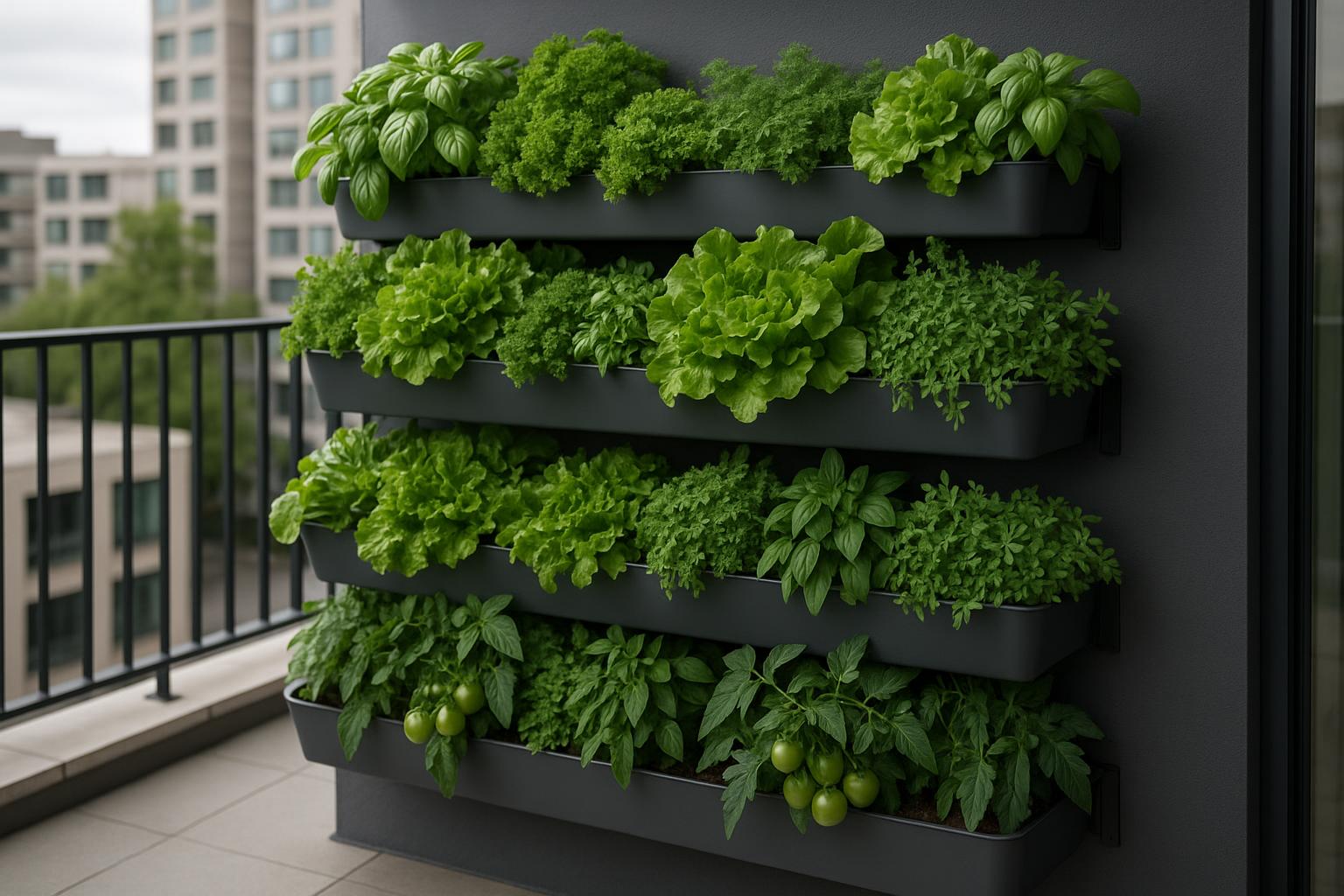
Maximize Your Tiny Balcony: The Ultimate Guide to Vertical Garden Planter Systems for Small Spaces
If you live in a city, you know the struggle of wanting a lush, productive garden without the luxury of a backyard. The dream of fresh herbs and homegrown vegetables often seems impossible when your outdoor space is limited to a small balcony or patio. Thankfully, the solution is literally looking up: vertical garden planter systems for small spaces are revolutionizing urban gardening. This comprehensive guide will walk you through choosing, setting up, and maintaining the perfect vertical system to transform your tiny area into a thriving green oasis.
Why Vertical Gardening is a Game-Changer for Urban Dwellers
Vertical gardening is more than just a trend; it's a necessity for anyone with limited square footage. By utilizing vertical planes—walls, railings, and fences—you can multiply your growing area without sacrificing precious floor space. This ingenious method allows you to bring the beauty and bounty of nature right to your doorstep, no matter how small your apartment or condo may be.
The Small-Space Solution
The most immediate benefit of going vertical is the incredible space-saving efficiency. Instead of spreading plants out, you stack them up, turning a blank wall into a vibrant, living tapestry. This is especially useful for narrow balconies where every inch of walking space is valuable. Furthermore, a well-designed vertical garden adds a stunning aesthetic element to your home. It can act as a natural privacy screen or simply a beautiful focal point, instantly elevating the look and feel of your urban dwelling.
Beyond the Basics: Other Benefits
Beyond saving space, vertical gardens offer several practical advantages for the urban gardener. They can significantly improve air circulation around your plants, which helps to reduce the risk of common fungal diseases. The elevated nature of the garden also makes maintenance much easier on your body. You can tend to your plants without constant bending and kneeling, making gardening accessible and enjoyable for everyone.
Choosing the Right Vertical Garden Planter Systems for Small Spaces
Selecting the right system is the most crucial step in your vertical gardening journey. The best choice depends on your space, budget, and the types of plants you wish to grow. Understanding the pros and cons of each type of vertical garden planter systems for small spaces will ensure you invest in a setup that truly works for your needs.
Modular Stacking Planters
These systems consist of several individual pots or trays that interlock and stack directly on top of one another. They are incredibly popular because they are easy to assemble and highly scalable. You can start small and add more tiers as your confidence and plant collection grow.
However, a common issue with stacking planters is that the top tiers tend to dry out much faster than the bottom ones. This requires careful, often uneven, watering. They are best suited for shallow-rooted plants like herbs (basil, mint, thyme) and small annual flowers.
Wall-Mounted Pocket Systems (Felt or Fabric)
Fabric pocket systems are lightweight, flexible, and perfect for renters as they are easy to install and remove. They typically consist of a sheet of felt or thick fabric with multiple pockets sewn into it, which is then hung on a wall. These systems are excellent for maximizing space on a fence or a solid wall.
While they are aesthetically pleasing, watering can be tricky; water tends to drain straight through, and it’s difficult to ensure the back pockets are fully saturated. They are ideal for succulents, small ornamental plants, and leafy greens like lettuce and spinach, which don't require deep soil.
Tiered or A-Frame Systems
Tiered systems, often shaped like a ladder or an A-frame, offer excellent stability and drainage. They are freestanding, meaning they don't require a wall for support, which can be a huge advantage on a balcony. The tiered design allows for good airflow and sunlight exposure to most plants.
The main drawback is that they do take up a small amount of floor space, unlike true wall-mounted systems. However, their stability makes them perfect for slightly heavier crops like strawberries, bush beans, and small root vegetables, provided the tiers are deep enough.
Hydroponic/Self-Watering Towers
For the ultimate in efficiency and low maintenance, consider a self-watering or hydroponic tower. These systems use a reservoir at the base to wick water up to the plants or circulate a nutrient solution. They are highly water-efficient and can produce impressive yields in a small footprint.
The initial cost is significantly higher, and the hydroponic versions require a power source and a basic understanding of nutrient solutions. They are the best choice for high-yield, year-round growing of vegetables like tomatoes, peppers, and large quantities of herbs and greens.
Setting Up Your Vertical Garden: Practical Tips for Success
Once you have chosen your system, a few key setup considerations will determine your garden's long-term success. A little planning now will save you a lot of trouble later.
Location, Location, Location (Sunlight and Support)
The first step is to assess the light in your small space. Most vegetables and herbs require at least six hours of direct sunlight per day. If your balcony is shaded, focus on shade-tolerant plants like mint, chives, and leafy greens. Remember that the sun's angle changes throughout the year, so observe your space at different times of the day.
Crucially, you must ensure that the wall or railing you use can support the weight of your system. Soil, especially when fully saturated with water, becomes surprisingly heavy. A large wall-mounted system can weigh hundreds of pounds. Always use appropriate hardware and check with your building management if you have any doubts about structural integrity.
Soil and Watering Wisdom
Do not use garden soil in your vertical planters; it is too heavy and compacts easily. Instead, use a high-quality, lightweight potting mix that is specifically designed for containers. Adding perlite or vermiculite can further improve drainage and aeration, which is vital in a vertical setup.
Watering is the number one challenge for vertical gardeners. Because the soil volume is small and exposed to more air, it dries out quickly. For manual watering, focus on slow, deep watering to ensure the lower pockets or tiers receive moisture. Consider installing a simple drip irrigation system with a timer; this is the most effective way to ensure consistent, even watering across all levels of your garden.
Plant Selection: What Thrives Vertically?
The key to a successful vertical garden is choosing compact, shallow-rooted plants. Avoid anything that grows too large or requires deep soil, such as corn, pumpkins, or large tomatoes (unless you have a deep-tier system).
Ideal Vertical Garden Plants:
| Category | Examples | Best System Type |
|---|---|---|
| Herbs | Basil, Mint, Thyme, Oregano, Chives | Stacking, Pocket, Tower |
| Leafy Greens | Lettuce, Spinach, Kale, Swiss Chard | Pocket, Tower |
| Fruiting Plants | Strawberries, Bush Beans, Small Peppers | Tiered, Tower |
| Ornamentals | Petunias, Trailing Nasturtiums, Succulents | Pocket, Stacking |
Common Mistakes to Avoid with Vertical Garden Planter Systems for Small Spaces
Even experienced gardeners can make mistakes when transitioning to vertical systems. Being aware of these common pitfalls will help you sidestep them and enjoy a flourishing garden from day one.
Overlooking Weight and Drainage
One of the most frequent errors is underestimating the final weight of the system. A small planter filled with dry soil is light, but once you add water and mature plants, the weight can triple. Always use heavy-duty anchors and brackets. Furthermore, ensure every planter has adequate drainage holes. Waterlogged soil is a death sentence for roots, and poor drainage can quickly ruin your entire harvest.
Ignoring Sun Exposure Differences
In a vertical setup, the top row of plants will almost always receive more sun and wind than the bottom row. This means the top planters will dry out significantly faster. If you water everything equally, the bottom plants will be overwatered, and the top plants will be underwatered. The best solution is to rotate your planters every few weeks or install a zoned drip system that delivers more water to the upper levels.
Choosing the Wrong Plants
Trying to force a large, deep-rooted vegetable into a shallow pocket is a recipe for disappointment. The plant will become root-bound, stunted, and unproductive. Stick to the compact varieties recommended above. If you absolutely must grow a larger plant, dedicate a single, deeper container at the base of your vertical structure for it.
Making the Most of Your Tiny Urban Harvest
Your vertical garden is not just a collection of plants; it's a living, breathing food source and a source of joy. With the right vertical garden planter systems for small spaces, you can enjoy fresh produce all season long. Regular maintenance is key to maximizing your yield. This includes consistent feeding with a balanced liquid fertilizer, as the nutrients in the small soil volume are quickly depleted.
Harvesting regularly is also crucial. For leafy greens and herbs, picking the outer leaves encourages the plant to produce more new growth. For strawberries, picking the ripe fruit immediately signals the plant to set more blossoms. By staying engaged with your garden, you ensure a continuous supply of fresh, delicious ingredients right outside your door.
Ready to Grow Up?
Embracing vertical gardening is the perfect way to overcome the limitations of urban living. It’s a practical, beautiful, and highly rewarding way to connect with nature and grow your own food. Now that you have the knowledge to choose and set up the best system for your space, the only thing left to do is start planting!
To help you plan your garden layout, track your planting schedule, and optimize your small space, we encourage you to use the Urban Grow Planner tool. It’s designed specifically for urban gardeners like you to turn your tiny balcony into a bountiful harvest. Happy growing!
Related Articles
How To Start Urban Farming For Beginners
Ready to grow your own food? Learn how to start urban farming for beginners with this comprehensive guide on planning, small-space techniques, essential equipment, and common mistakes to avoid.
Balcony Garden Ideas For Beginners
Discover the ultimate balcony garden ideas for beginners! Learn how to maximize small spaces with vertical gardening, choose the best easy-to-grow plants, and avoid common mistakes. Start your urban oasis today!
Container Gardening For Beginners Step By Step
Start your urban garden with this step-by-step guide to container gardening for beginners. Learn about choosing pots, soil, plants, watering, and avoiding common mistakes.
How To Grow Vegetables On Apartment Balcony
Learn how to grow vegetables on apartment balcony with this ultimate guide. Get tips on sun, containers, soil, and the best compact crops for a successful urban garden.