What To Plant In Balcony Garden In Spring
Discover what to plant in your balcony garden in spring! This ultimate guide covers the best cool-season vegetables, herbs, and flowers for container success.
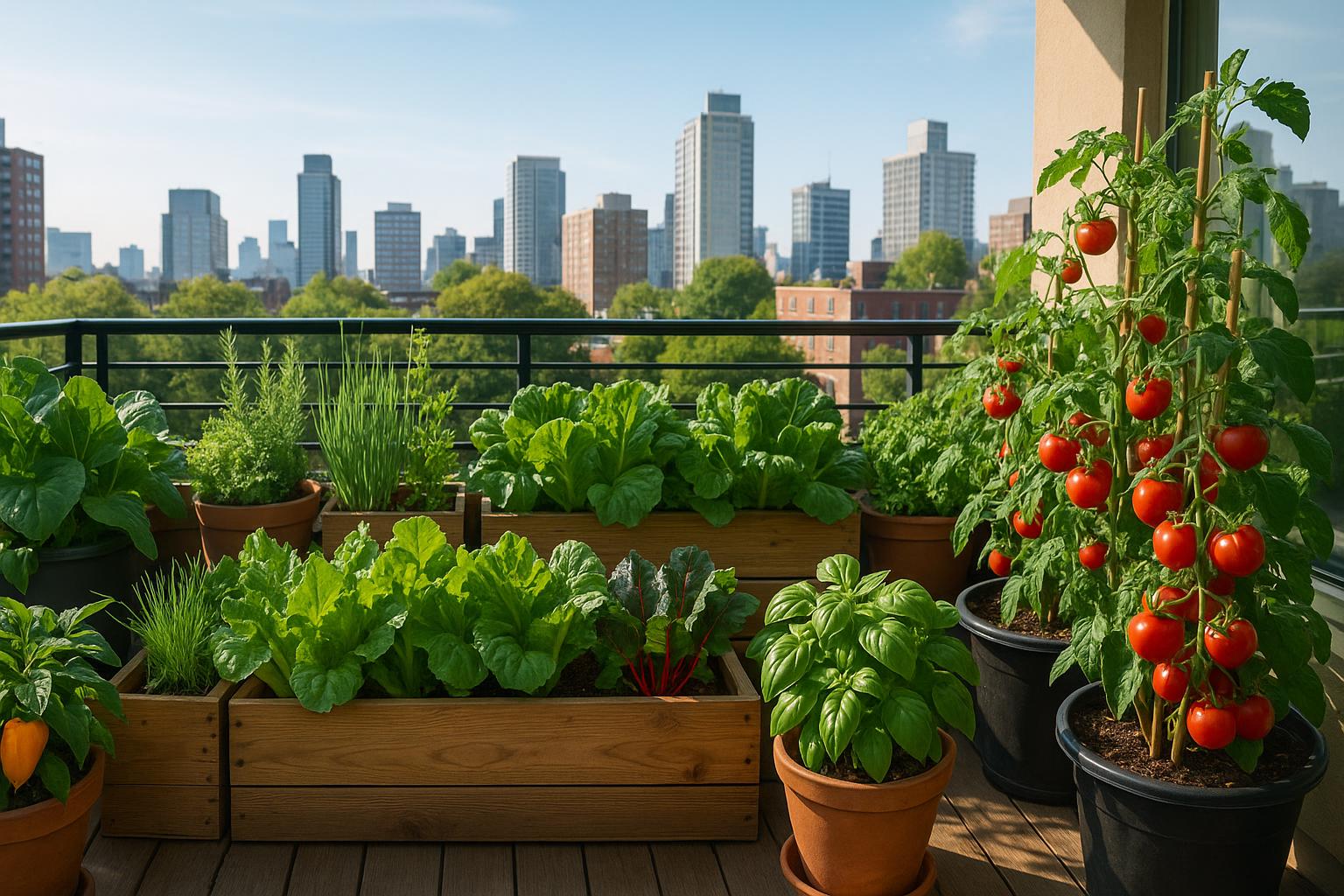
What to Plant in Balcony Garden in Spring: Your Ultimate Guide to Urban Harvest
Quick Summary: Spring is the perfect time to transform your balcony into a thriving garden. To succeed, start by assessing your balcony's sunlight and weight capacity. Focus on compact, container-friendly varieties of vegetables, herbs, and flowers. Key spring plantings include leafy greens (lettuce, spinach), root vegetables (radishes, carrots), and cool-season herbs (parsley, chives). Ensure you use high-quality potting mix, choose the right container sizes, and establish a consistent watering routine to avoid common beginner mistakes. This guide will walk you through everything you need to know to decide what to plant in balcony garden in spring and enjoy a bountiful harvest.
The Spring Awakening: Why Now is the Time to Start
Spring is a season of renewal, and for the urban gardener, it represents the most exciting time to get your hands dirty. After the cold of winter, the increasing daylight hours and warming temperatures signal the start of the growing season. A balcony garden, no matter how small, can provide you with fresh, organic produce and a beautiful, relaxing green space right outside your door.
Starting in spring is ideal because many popular crops, known as cool-season vegetables, thrive in the moderate temperatures before the intense heat of summer arrives. By planting now, you can enjoy multiple harvests of fast-growing greens and root vegetables, setting the stage for your summer crops later on.
Step 1: Assessing Your Balcony's Potential
Before you decide what to plant in balcony garden in spring, you must first understand the unique microclimate and limitations of your space. This crucial step will save you from disappointment and ensure your plants have the best chance to flourish.
Sunlight: The Gardener's Gold
The amount of sunlight your balcony receives is the single most important factor in determining which plants will thrive.
- Full Sun (6+ hours of direct sun): Ideal for fruiting vegetables like tomatoes, peppers, and most herbs. If your balcony faces south or southwest, you likely have a full-sun spot.
- Partial Sun (4-6 hours of sun, often morning or late afternoon): Suitable for many leafy greens, root vegetables, and some herbs. East-facing balconies often fall into this category.
- Shade (Less than 4 hours of direct sun): Don't despair! You can still grow shade-tolerant greens like spinach, kale, and certain herbs like mint and parsley. North-facing balconies are typically the shadiest.
Take a day to observe your balcony and note exactly how many hours of direct sunlight different areas receive. This simple observation will be your most valuable piece of gardening data.
Weight and Wind Considerations
Balconies have weight limits, and soil, water, and containers can become surprisingly heavy. Always be mindful of the structural capacity of your balcony. Use lightweight potting mix (never garden soil) and consider using plastic or fabric containers instead of heavy terracotta or concrete.
Wind can also be a major issue, especially on high-rise balconies. Strong winds can dry out soil quickly, damage delicate leaves, and even knock over containers. Consider using a trellis or a screen to create a windbreak, or place taller plants against a wall for protection.
Step 2: The Best Spring Crops for Your Balcony
Spring is the season for cool-weather champions. These plants prefer the milder temperatures and will bolt (go to seed) quickly once the summer heat hits. By focusing on these varieties, you can maximize your spring harvest.
Leafy Greens: The Quickest Harvest
Leafy greens are a staple for any spring balcony garden. They are fast-growing, can tolerate some shade, and are perfect for "cut-and-come-again" harvesting.
- Lettuce: Choose loose-leaf varieties like 'Black Seeded Simpson' or 'Buttercrunch.' They don't need deep soil and can be grown in shallow window boxes or wide containers. Sow seeds every few weeks for a continuous supply.
- Spinach: A cool-weather favorite that is highly nutritious. Plant in a spot with morning sun and afternoon shade to prolong the harvest before it bolts.
- Kale: Extremely hardy and can handle cooler temperatures. 'Dwarf Blue Curled' is a great compact variety for containers.
Root Vegetables: Surprisingly Container-Friendly
While you might think root vegetables need a large garden bed, many varieties are perfectly suited for deep containers.
- Radishes: The ultimate instant gratification crop, ready in as little as three weeks. They require only 6 inches of soil depth. Thin them out early to ensure the roots have space to swell.
- Carrots: Look for "mini" or "finger" varieties like 'Paris Market' or 'Thumbelina.' These are bred to grow well in shorter containers. Ensure your container is at least 12 inches deep and fill it with a light, fluffy potting mix.
- Beets: Both the root and the greens are edible. Choose a container at least 10 inches deep.
Herbs: The Aromatic Essentials
Herbs are a must-have for any balcony garden, offering incredible flavor and often doubling as beautiful foliage. Spring is the time to plant cool-season herbs.
- Parsley: A biennial that thrives in spring. It prefers partial shade and consistent moisture.
- Chives: A perennial that will come back year after year. They are very easy to grow and their mild onion flavor is perfect for spring dishes.
- Cilantro: Another herb that bolts quickly in the heat, making spring the ideal time for planting. Sow seeds directly into the container.
- Mint: While easy to grow, mint is notoriously invasive. Always plant mint in its own dedicated container to prevent it from taking over your other plants.
Flowers: Beauty and Pollinators
Don't forget the flowers! They add color and attract beneficial pollinators, which is especially important if you plan to grow fruiting plants later in the season.
- Pansies and Violas: These are cold-tolerant and provide vibrant color early in the season.
- Marigolds: A practical choice, as they are believed to deter certain garden pests.
- Nasturtiums: Edible flowers and leaves that add a peppery kick to salads. They also look beautiful trailing over the edge of a container.
Step 3: Essential Balcony Gardening Tips for Spring Success
Successfully growing a garden on a balcony requires a few specialized techniques. Here are the practical tips you need to ensure a thriving spring harvest.
Choosing the Right Containers
The container is the entire world for your plant, so choose wisely.
- Size Matters: The bigger the container, the more stable the soil temperature and moisture will be. While small pots are fine for radishes and single herbs, aim for containers that are at least 10-12 inches in diameter for most vegetables.
- Drainage is Non-Negotiable: Every container must have drainage holes. If water can't escape, your plant roots will rot. Use a saucer underneath to catch excess water, but empty it promptly.
- Material Options: Fabric grow bags are excellent for root vegetables and are lightweight. Plastic containers retain moisture well. Terracotta is attractive but dries out quickly, requiring more frequent watering.
Soil and Nutrition
Never use soil dug up from the ground in your containers. It compacts too easily and can harbor pests and diseases.
- Potting Mix: Use a high-quality, lightweight potting mix specifically designed for containers. This mix is formulated to provide good drainage and aeration.
- Fertilizing: Container plants rely entirely on you for nutrients. Mix a slow-release granular fertilizer into the potting mix at planting time. For a mid-season boost, use a liquid organic fertilizer (like a fish emulsion or seaweed extract) every two to three weeks.
Watering: The Most Common Pitfall
Watering is the trickiest part of container gardening. Balcony gardens dry out much faster than in-ground gardens due to wind and heat.
- Check Daily: In spring, you may need to water every day, especially for smaller pots. Stick your finger about an inch deep into the soil. If it feels dry, it's time to water.
- Water Deeply: Water until you see it running out of the drainage holes. This ensures the entire root ball is saturated. Shallow watering encourages shallow roots, making the plant more susceptible to drying out.
- Automated Systems: Consider a simple drip irrigation system on a timer. This is a game-changer for balcony gardeners, ensuring consistent moisture even when you're busy.
Step 4: Common Mistakes to Avoid When Deciding What to Plant in Balcony Garden in Spring
Even experienced gardeners make mistakes, but knowing the common pitfalls can help you avoid them.
1. Ignoring the Hardiness Zone and Frost Dates
Spring weather can be unpredictable. A late frost can wipe out tender seedlings overnight. Always check your local last expected frost date. For early spring planting, stick to the hardiest crops (kale, spinach, radishes). If you plant tomatoes or peppers too early, be prepared to cover them or bring them indoors on cold nights.
2. Overcrowding Your Containers
It's tempting to cram as many seeds or seedlings as possible into a pot, but this is a recipe for disaster. Overcrowding leads to competition for light, water, and nutrients, resulting in weak, unproductive plants. Follow the spacing recommendations on seed packets, and be ruthless about thinning out seedlings early on.
3. Using the Wrong Soil
As mentioned, garden soil is too heavy and will compact in a container, suffocating the roots. Always use a sterile, lightweight potting mix. Furthermore, do not reuse old potting mix year after year without amending it. The nutrients are depleted, and the structure breaks down. Refresh your containers with new mix or a generous amount of compost.
4. Neglecting Pest Control
Pests like aphids and spider mites can spread quickly in the confined space of a balcony. Inspect your plants daily. If you spot a problem, address it immediately. A simple solution of water and a few drops of mild dish soap can be sprayed on the leaves to control many soft-bodied pests.
5. Misjudging the Sun's Movement
The sun's path changes dramatically from early spring to summer. A spot that was shady in March might be full sun by May. Be prepared to move your containers or adjust your planting plan as the season progresses. This flexibility is one of the great advantages of container gardening.
Step 5: A Sample Spring Balcony Planting Plan
To help you get started, here is a suggested plan for what to plant in balcony garden in spring based on common container sizes:
| Container Type | Minimum Size (Diameter/Depth) | Suggested Spring Crops | Notes |
|---|---|---|---|
| Window Box | 6 inches deep | Loose-leaf Lettuce, Radishes, Chives | Ideal for quick, shallow-rooted harvests. |
| Medium Pot | 10-12 inches deep | Bush Beans, Carrots (mini varieties), Kale, Parsley | Good for single, medium-sized plants or a cluster of greens. |
| Large Pot/Grow Bag | 15+ inches deep | Beets, Swiss Chard, Marigolds, Bush Cucumbers | Provides enough volume for larger root systems and better water retention. |
Conclusion: Your Spring Garden Awaits
The decision of what to plant in balcony garden in spring is the first step on a rewarding journey. With careful planning, the right supplies, and a little daily attention, your small urban space can yield an impressive bounty of fresh, delicious produce. Embrace the process, learn from your plants, and enjoy the peace that comes from nurturing life in the city.
Ready to turn this knowledge into a personalized plan for your unique balcony? Don't leave your success to chance. Use the Urban Grow Planner tool to map out your sunlight, track your planting dates, and get customized watering reminders. Happy gardening!
Approximate Word Count: 1250 words
Related Articles
How To Start Urban Farming For Beginners
Ready to grow your own food? Learn how to start urban farming for beginners with this comprehensive guide on planning, small-space techniques, essential equipment, and common mistakes to avoid.
Balcony Garden Ideas For Beginners
Discover the ultimate balcony garden ideas for beginners! Learn how to maximize small spaces with vertical gardening, choose the best easy-to-grow plants, and avoid common mistakes. Start your urban oasis today!
Container Gardening For Beginners Step By Step
Start your urban garden with this step-by-step guide to container gardening for beginners. Learn about choosing pots, soil, plants, watering, and avoiding common mistakes.
How To Grow Vegetables On Apartment Balcony
Learn how to grow vegetables on apartment balcony with this ultimate guide. Get tips on sun, containers, soil, and the best compact crops for a successful urban garden.