Why Are My Balcony Tomatoes Not Producing
Troubleshoot why your balcony tomatoes are not producing fruit. Learn about pollination, temperature, nutrient, light, and water issues with actionable tips for urban gardeners.
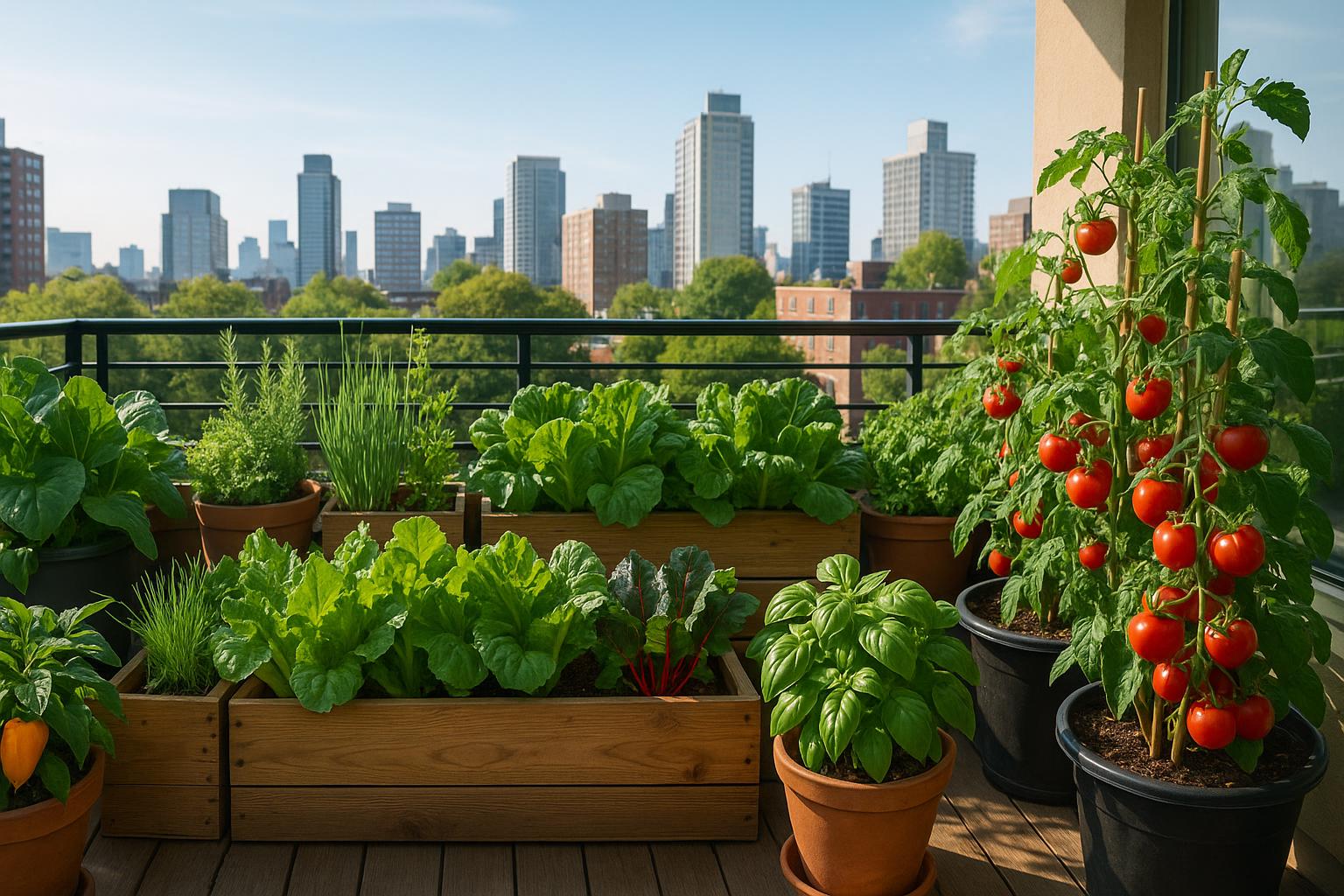
Why Are My Balcony Tomatoes Not Producing? The Ultimate Troubleshooting Guide for Urban Gardeners
Quick Summary: If you're asking why are my balcony tomatoes not producing, the issue is likely one of five key areas: Pollination, Temperature, Nutrients, Light, or Water. Balcony environments often lack the natural wind and insect activity needed for pollination, making hand-pollination essential. Extreme heat can prevent fruit set, and a nutrient imbalance (too much nitrogen) can lead to lush leaves but no fruit. Ensure your plants receive 6-8 hours of direct sun and consistent, deep watering. This guide provides practical, friendly solutions.
Introduction: Turning Frustration into a Fantastic Harvest
There’s nothing more frustrating than seeing your balcony tomato plants covered in flowers that never turn into fruit. If you're asking why are my balcony tomatoes not producing, you're facing a common challenge for urban gardeners. Container growing on a balcony creates a unique environment, but most issues are easily fixed. This comprehensive guide will help you troubleshoot the most common problems, from pollination to temperature, and get your urban garden back on track to a bountiful harvest.
The Big Three: Pollination, Temperature, and Nutrients
These three factors are responsible for the vast majority of fruit-setting failures in container tomatoes. Addressing them first will often solve your problem quickly.
1. The Pollination Puzzle: Why Balconies Need a Helping Hand
Tomato flowers are self-pollinating, meaning each flower contains both male and female parts. In a garden, a gentle breeze or the buzz of a bee is usually enough to shake the pollen from the anther onto the stigma, completing the process. On a sheltered balcony, however, this natural movement is often absent.
The Problem: Lack of wind or insect activity means the pollen never moves, and the flower simply withers and drops off—a condition known as "blossom drop."
Since you can't rely on nature, you need to step in and become the pollinator. Hand-pollination is easy and highly effective:
- The Tap Method: Gently tap or shake the main stem daily during mid-morning when the pollen is dry.
- The Vibration Method: Use an electric toothbrush or pollinator tool to gently vibrate the flower cluster, mimicking a bee’s buzz to release pollen.
- The Brush Method: Use a small paintbrush or cotton swab to swirl inside each open flower, transferring pollen.
2. The Temperature Trap: When It’s Too Hot to Handle
Tomatoes have a specific temperature range for setting fruit. If the temperature is too high, the pollen becomes sterile and non-viable, leading to blossom drop.
The Problem: Fruit set is inhibited when daytime temperatures consistently exceed 90°F (32°C) or, more critically, when nighttime temperatures remain above 75°F (24°C) [1]. Balconies, especially south or west-facing ones, can become heat sinks, making this a common issue for urban gardeners.
Actionable Tip: Provide Shade and Cool Down
- Temporary Shade: During heat waves, use a lightweight shade cloth (30-40% shade) or move containers to a spot that receives afternoon shade.
- Watering Strategy: Water deeply in the early morning. Evaporation helps cool the plant slightly.
- Misting: A light misting in the late afternoon can lower the ambient temperature, but monitor for signs of fungal disease.
3. The Nutrient Imbalance: Too Much Green, Not Enough Red
The right fertilizer is crucial, but the most frequent issue is an overabundance of nitrogen.
The Problem: High-nitrogen fertilizers (the first number in the N-P-K ratio) encourage lush, vigorous leaf and stem growth—often called "all-leaf and no-fruit." The plant prioritizes vegetative growth over reproductive growth (fruiting).
Actionable Tip: Switch to a Fruiting Formula
- Fertilizer Type: Once flowering begins, switch to a fertilizer lower in nitrogen and higher in phosphorus (P) and potassium (K), such as a 5-10-10 or 5-10-5 ratio.
- Calcium Boost: Blossom end rot is a calcium deficiency, often caused by inconsistent watering. Use a calcium-rich supplement or a balanced tomato-specific fertilizer to prevent this.
- Product Recommendation: Use a slow-release granular fertilizer at planting, supplemented with a liquid feed (like a diluted fish emulsion or seaweed extract) every two weeks once flowering begins.
The Environmental Essentials: Light, Water, and Soil
Even if you’ve mastered the Big Three, your plants need the right foundation of light, water, and soil to thrive.
4. The Light Requirement: More Sun Than You Think
Tomatoes are sun-worshippers and need significant direct sunlight for flowering and fruiting.
The Problem: Most varieties require a minimum of 6 to 8 hours of direct, unfiltered sunlight per day. Balcony structures can cast shadows that drastically reduce available light.
Actionable Tip: Maximize Sun Exposure
- Observe and Adjust: Track the sun exposure on your balcony. If light is borderline, choose smaller, determinate varieties like 'Patio' or 'Tiny Tim' that need slightly less light.
- Reflective Surfaces: Use a light-colored or reflective surface (like a white wall or aluminum foil) behind your plants to bounce light onto the lower leaves.
- Pruning: Prune away excess "suckers" and lower leaves to improve air circulation and allow more light to penetrate the plant's center.
5. The Watering Woe: Consistency is Key
Inconsistent watering is a major stressor that causes blossom drop and blossom end rot.
The Problem: Containers dry out quickly on a sunny balcony, causing wild fluctuations in soil moisture. This stress interferes with nutrient uptake, especially calcium.
Actionable Tip: Water Deeply and Consistently
- The Finger Test: Check the soil two inches deep. If it's dry, water. Do not water on a fixed schedule.
- Deep Watering: Water slowly until water drains from the bottom, ensuring the entire root ball is saturated.
- Self-Watering Containers: These are highly recommended for urban gardeners as they provide a consistent moisture reservoir, reducing the risk of inconsistent watering.
6. The Container and Soil Choice: Giving Roots Room to Breathe
The size of your container and the quality of your soil directly impact the plant's ability to absorb water and nutrients.
The Problem: Small containers restrict root growth, leading to a "root-bound" plant that cannot support fruit production. Dense garden soil compacts easily, preventing proper drainage and aeration.
Actionable Tip: Go Big and Go Light
- Container Size: For indeterminate (vining) varieties, use a container of at least 5 to 10 gallons (20-40 liters). Determinate (bushy) varieties need 3-5 gallons.
- Potting Mix: Always use a high-quality, lightweight potting mix designed for containers. Never use garden soil.
- Drainage: Ensure your containers have ample drainage holes and are slightly elevated to prevent clogging.
Advanced Troubleshooting: Pests, Diseases, and Variety Selection
If you’ve addressed the environmental and cultural factors and are still asking why are my balcony tomatoes not producing, it’s time to look at other potential stressors.
Pests and Diseases
While less common as a direct cause of no fruit, severe infestations can stress the plant enough to cause blossom drop. Look for pests like aphids, whiteflies, or spider mites, and treat them with a gentle insecticidal soap or neem oil.
Variety Selection
Choosing the right variety is crucial for balcony success. Determinate varieties (bushy, all-at-once harvest) are ideal for containers. Indeterminate varieties (vining, season-long harvest) require much larger pots and aggressive staking. For hot climates, choose heat-tolerant types like 'Heatmaster' or 'Solar Fire', or smaller-fruited varieties like cherry tomatoes.
Final Checklist: Your Path to a Balcony Bounty
Use this quick checklist to review your setup and ensure you’ve covered all the bases:
| Area | Checkpoint | Action to Take |
|---|---|---|
| Pollination | Are you hand-pollinating daily? | Use a vibrating tool or gentle tap/shake. |
| Temperature | Are night temperatures below 75°F (24°C)? | Provide afternoon shade during heat waves. |
| Nutrients | Are you using a low-nitrogen, high P-K fertilizer? | Switch to a 5-10-10 formula once flowering starts. |
| Light | Is the plant getting 6-8 hours of direct sun? | Prune for better light penetration; use reflective surfaces. |
| Water | Is the soil consistently moist, not soggy or dry? | Water deeply; consider a self-watering container. |
| Container | Is the pot at least 5 gallons for your variety? | Repot into a larger container if necessary. |
Conclusion: Don't Give Up—Your Harvest Awaits!
It can be disheartening to see your plants struggle, but gardening is a process of continuous learning. By systematically troubleshooting the issues of pollination, temperature, and nutrition, you are well on your way to solving the mystery of why are my balcony tomatoes not producing. Keep observing your plants, making small adjustments, and celebrating the progress.
Ready to plan your next steps? Use the Urban Grow Planner tool to track your watering, feeding, and pollination schedule. Happy growing!
References
[1] Bonnie Plants. Tomato Plants Not Setting Fruit? Here's Why. [Source URL not available] [2] Epic Gardening. 7 Reasons Your Tomatoes Aren't Setting Fruit This Season. [Source URL not available] [3] GrowVeg. Top 3 Reasons Why Your Tomatoes Are Not Setting Fruit. [Source URL not available]
Related Articles
How To Start Urban Farming For Beginners
Ready to grow your own food? Learn how to start urban farming for beginners with this comprehensive guide on planning, small-space techniques, essential equipment, and common mistakes to avoid.
Balcony Garden Ideas For Beginners
Discover the ultimate balcony garden ideas for beginners! Learn how to maximize small spaces with vertical gardening, choose the best easy-to-grow plants, and avoid common mistakes. Start your urban oasis today!
Container Gardening For Beginners Step By Step
Start your urban garden with this step-by-step guide to container gardening for beginners. Learn about choosing pots, soil, plants, watering, and avoiding common mistakes.
How To Grow Vegetables On Apartment Balcony
Learn how to grow vegetables on apartment balcony with this ultimate guide. Get tips on sun, containers, soil, and the best compact crops for a successful urban garden.