Windowsill Vegetable Garden Ideas
Discover the best windowsill vegetable garden ideas for small spaces! Learn about light, containers, soil, and the top 5 plants to grow. Avoid common mistakes and start your urban farm today.
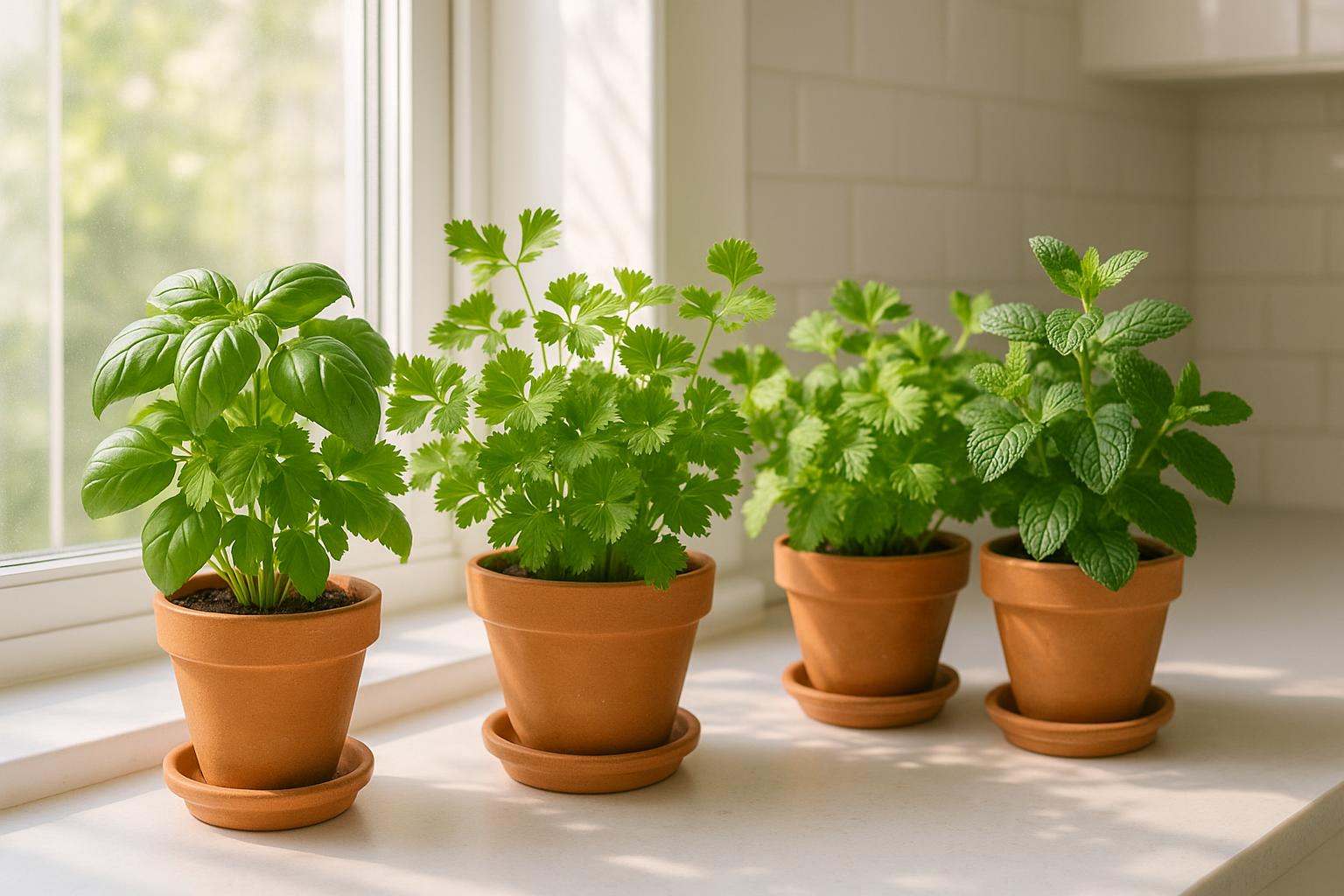
Unleash Your Inner Urban Farmer: The Best Windowsill Vegetable Garden Ideas for Small Spaces
Quick Summary: Dreaming of fresh herbs and vegetables but only have a small apartment? A windowsill garden is your perfect solution! This comprehensive guide will walk you through the best windowsill vegetable garden ideas, from choosing the right plants and containers to mastering light and watering. We'll cover essential care tips and common mistakes to avoid, ensuring you can enjoy a thriving, edible garden right inside your home.
The Fundamentals of Windowsill Gardening
Starting a garden on your windowsill is the most accessible way to bring fresh produce into your life. It requires no backyard, minimal tools, and transforms a simple ledge into a productive, edible landscape. Success hinges on understanding the unique environment of a windowsill, focusing on light, containers, and soil.
Light is Everything: Assessing Your Windowsill
Light is the single most crucial factor. Your plants receive light from one direction, and intensity varies dramatically by window orientation. This guides your choice of windowsill vegetable garden ideas.
A South-facing window offers the most intense, direct sunlight, ideal for fruiting plants like small peppers and chiles. East-facing windows receive gentle morning sun, perfect for leafy greens and many herbs. West-facing windows get intense afternoon sun, suitable for the same plants, but monitor for overheating. A North-facing window receives the least light, best reserved for microgreens or low-light tolerant herbs. If natural light is insufficient, consider supplementing with a simple full-spectrum LED grow light strip.
Choosing the Right Containers
Excellent drainage is non-negotiable for root health. Without drainage holes, water pools, leading to root rot. Always prioritize containers that allow excess water to escape.
Terracotta pots are porous and allow air and moisture to pass through, great for plants that like to dry out slightly. Plastic containers retain moisture longer, requiring extra vigilance. Long window boxes or troughs maximize space for shallow-rooted crops. Container size is critical: for most herbs and small greens, a pot at least 6 inches in diameter and depth will suffice. For root vegetables like carrots, you will need a container that is at least 8-10 inches deep.
Soil and Nutrition
Never use soil from your outdoor garden. It is too dense, compacts easily, and can introduce pests. Always use a high-quality, sterile potting mix. These mixes are lightweight and provide the necessary aeration and drainage for healthy root growth.
Plants in small containers quickly deplete nutrients. You must provide supplemental nutrition. Use a slow-release granular fertilizer mixed into the soil at planting, or a liquid feed applied every two to four weeks during the growing season. Always follow product instructions, remembering that less is often more.
Top 5 Windowsill Vegetable Garden Ideas
Choosing compact, fast-growing, and high-yield plants is key. Here are five categories of plants that thrive on a sunny ledge, offering continuous fresh harvests.
1. The Speedy Greens (Lettuce, Spinach, Bok Choy)
Leafy greens are the quintessential windowsill crop—fast-growing and requiring less intense light. Loose-leaf varieties are perfect for the "cut and come again" method.
Actionable Tip: Snip the outer leaves with clean scissors, leaving the inner leaves and the growing point intact. This allows the plant to continue producing new leaves for weeks, giving you a steady supply of fresh salad mix. Place these greens in an East or West-facing window.
2. The Flavor Powerhouses (Herbs: Basil, Mint, Parsley, Chives)
Herbs are the easiest and most popular choice, offering fresh flavor for cooking and tea. They are compact, fragrant, and can be harvested frequently.
Actionable Tip: For basil, practice pinching back the top two leaves right above a node. This forces the plant to branch out, resulting in a bushier, more productive plant. Note that mint is invasive and should always be given its own dedicated container.
3. Root Veggies in Miniature (Radishes and Small Carrots)
You can successfully grow miniature varieties like radishes (ready in as little as three weeks) and small, round carrots (e.g., "Paris Market").
Actionable Tip: Root vegetables require container depth. Use a container that is at least 6 to 8 inches deep to allow the root to form properly. Ensure the soil is loose and free of clumps to prevent stunted or forked roots.
4. The Fruiting Favorites (Chiles and Small Peppers)
If you have a bright, South-facing window, you can grow small chiles and miniature bell peppers. They are productive and add vibrant color to your kitchen.
Actionable Tip: Since there are no bees indoors, you may need to hand-pollinate your pepper flowers. Use a small, soft-bristled paintbrush or cotton swab to gently brush the inside of the open flower, transferring pollen. Do this every few days for a successful harvest. This is a crucial step for your windowsill vegetable garden ideas involving fruiting plants.
5. Regrowing Scraps (Green Onions, Celery Base)
This is the ultimate low-effort, high-reward method for beginners. Green onions are the classic example.
Actionable Tip: Place the white root end of a bunch of green onions in a small glass of water, ensuring the roots are submerged but the top is above the water line. New shoots will emerge within days. Change the water every few days, and once roots are established, transfer them to a pot of soil for a longer-lasting harvest. This is one of the most sustainable and fun windowsill vegetable garden ideas to try.
Essential Care and Maintenance Tips
Consistent, mindful care is necessary for a small garden. Simple routines will keep your plants healthy and productive.
The Watering Balancing Act
Overwatering is the single most common mistake, leading to root rot. Soil retains moisture much longer indoors.
Tip: Never water on a schedule. Check the soil first by sticking your finger an inch or two down. If it feels dry, water thoroughly until it drains out the bottom. Always use a saucer and empty any excess water after 30 minutes.
Pest Patrol and Air Circulation
Indoor plants are susceptible to pests like fungus gnats and spider mites. The best defense is regular inspection of the leaves.
Tip: For minor infestations, a gentle spray of water mixed with mild dish soap can deter pests. For persistent issues, use a natural product like neem oil. Air circulation is also important for preventing fungal diseases; use a small, low-powered fan to gently circulate the air.
Rotating and Cleaning
Plants naturally lean toward the light source (phototropism), which can lead to lopsided growth.
Tip: Rotate your pots a quarter turn at least once a week to ensure all sides of the plant receive adequate light. Also, gently wipe down the leaves with a damp cloth every few weeks to remove dust and maximize light absorption.
Common Mistakes to Avoid
Being aware of these common pitfalls can save you frustration and lead to a much more successful harvest from your first windowsill vegetable garden.
Mistake 1: Ignoring Drainage
Lack of drainage is the number one killer of indoor plants. A pot without a hole is a death trap for roots.
Solution: Always use containers with drainage holes. If you must use a decorative container without a hole, use it as a cachepot and keep your plant in a separate plastic pot with holes inside it for easy watering and draining.
Mistake 2: Using Garden Soil
Garden soil is too heavy and compacts quickly in a small pot, preventing proper drainage and air circulation.
Solution: Use a sterile, lightweight potting mix specifically formulated for containers. These mixes contain ingredients like perlite or vermiculite, which keep the soil light and airy, promoting healthy root development.
Mistake 3: Underestimating Light Needs
A window might keep a plant alive, but it might not be enough to make it productive. Tall, pale, and spindly plants are desperately searching for more light.
Solution: If you lack a South-facing window or live in a dark climate, supplement with a simple, inexpensive full-spectrum LED strip light placed 6-12 inches above your plants. This can turn a struggling garden into a thriving one.
Mistake 4: Over-fertilizing
Over-fertilizing can lead to a buildup of salts in the soil, which burns the roots and damages the plant.
Solution: Start slow. Use liquid fertilizer at half the strength recommended on the bottle. It is always safer to under-fertilize than to over-fertilize, as you can always add more later.
Start Your Windowsill Garden Today!
The journey to growing your own food starts right on your kitchen ledge. By implementing these practical windowsill vegetable garden ideas, you can enjoy the freshest, most flavorful produce imaginable, all year round. Windowsill gardening is a rewarding hobby that connects you to your food in a meaningful way.
Don't wait for spring—your urban farm is ready to begin now. Take the first step toward a more sustainable and delicious life.
Ready to plan your perfect micro-farm? Use the Urban Grow Planner tool to map out your windowsill space, track your planting dates, and monitor your harvest schedule. Happy growing!
Related Articles
How To Start Urban Farming For Beginners
Ready to grow your own food? Learn how to start urban farming for beginners with this comprehensive guide on planning, small-space techniques, essential equipment, and common mistakes to avoid.
Balcony Garden Ideas For Beginners
Discover the ultimate balcony garden ideas for beginners! Learn how to maximize small spaces with vertical gardening, choose the best easy-to-grow plants, and avoid common mistakes. Start your urban oasis today!
Container Gardening For Beginners Step By Step
Start your urban garden with this step-by-step guide to container gardening for beginners. Learn about choosing pots, soil, plants, watering, and avoiding common mistakes.
How To Grow Vegetables On Apartment Balcony
Learn how to grow vegetables on apartment balcony with this ultimate guide. Get tips on sun, containers, soil, and the best compact crops for a successful urban garden.