Year Round Indoor Vegetable Garden
Learn how to create a thriving year round indoor vegetable garden! This guide covers essential tips on lighting, watering, plant selection, and common mistakes to ensure a continuous harvest.
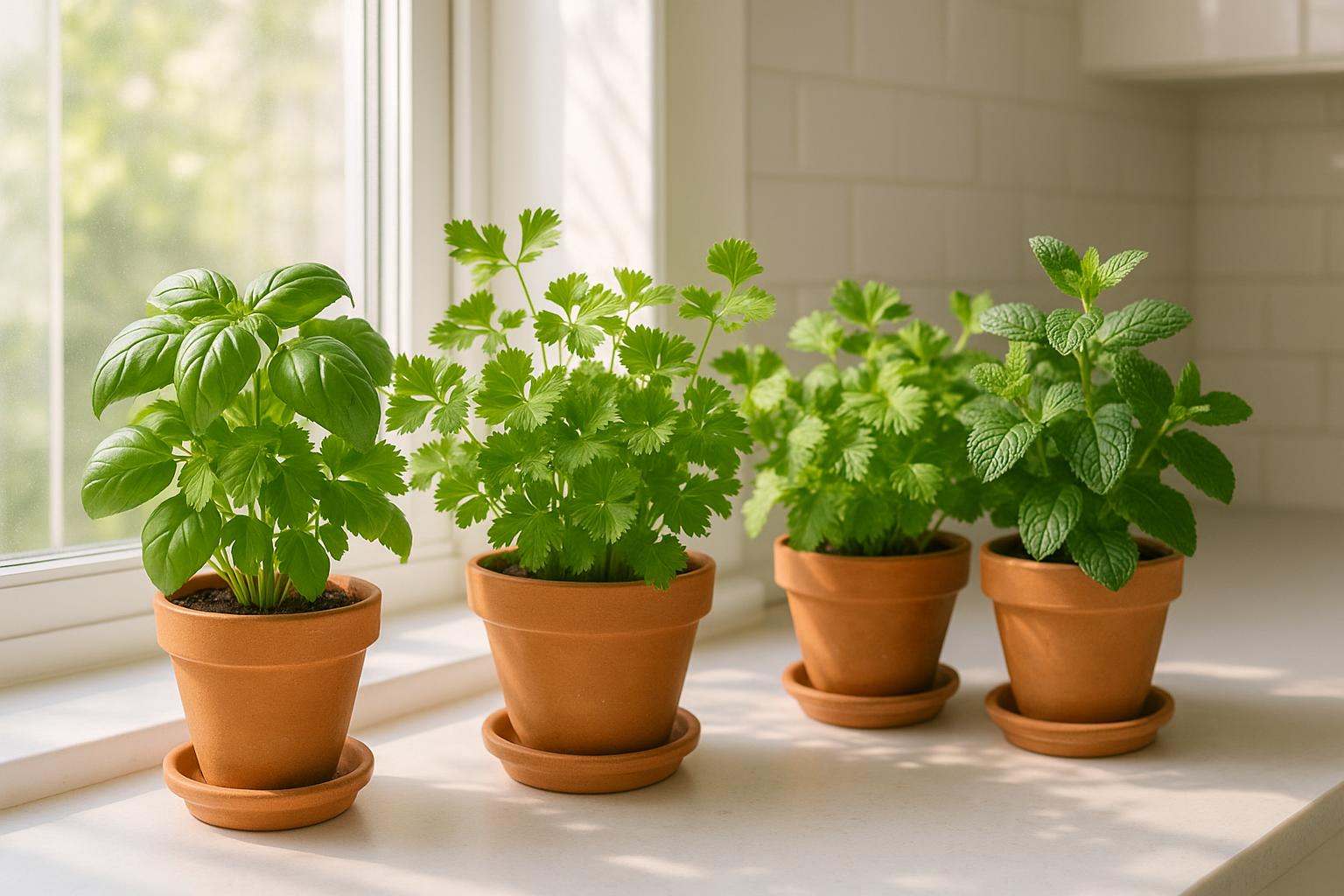
The Ultimate Guide to a Thriving Year Round Indoor Vegetable Garden
Quick Summary: Dreaming of fresh, homegrown vegetables even when the snow is falling outside? It's entirely possible! This comprehensive guide will walk you through the essential steps, from lighting and watering to choosing the right plants, to create a flourishing year round indoor vegetable garden. Say goodbye to seasonal limitations and hello to a continuous supply of fresh produce right in your home. We'll cover the practical tips and common pitfalls to ensure your indoor gardening journey is a success, no matter your space or experience level.
Why Start a Year Round Indoor Vegetable Garden?
The allure of indoor gardening goes far beyond a simple hobby; it's a practical and rewarding lifestyle choice. For urban dwellers, or anyone with limited outdoor space, an indoor garden transforms unused corners into productive, green havens. It is a powerful way to reconnect with your food source and enjoy unparalleled freshness.
Beat the Seasons
One of the most significant advantages is the freedom from weather constraints. Your indoor garden is a microclimate you control entirely. Frost, heavy rain, or scorching summer heat become irrelevant. This control allows you to maintain a consistent growing environment, ensuring a steady, predictable harvest schedule throughout the entire year. You can plant lettuce in December and tomatoes in February, completely ignoring the calendar outside your window.
Freshness and Flavor
There is simply no comparison between store-bought produce and a vegetable picked moments before it hits your plate. The flavor, the nutrient content, and the sheer satisfaction are unmatched. By maintaining a year round indoor vegetable garden, you have immediate access to the freshest ingredients possible, enhancing every meal you prepare. This instant gratification is a huge motivator for keeping your garden thriving.
Urban Gardening Solution
In cities where a backyard is a luxury, indoor gardening is a necessity for the green-thumbed. Shelves, windowsills, and even closets can be converted into high-yield growing spaces. This makes it an incredibly efficient use of space, allowing you to maximize your food production in a minimal footprint. It’s a sustainable, space-saving solution that brings the farm-to-table concept directly into your apartment or condo.
The Essential Ingredients for Success
Creating a successful indoor garden boils down to replicating the conditions plants enjoy outdoors, but in a controlled environment. Focus on these four pillars, and your plants will thank you with abundant growth.
Light: The Indoor Sun
Light is the single most crucial factor for any indoor plant. Without sufficient light, plants become "leggy," weak, and unproductive. Standard household lighting is not enough; you need dedicated grow lights.
The key is to provide the right spectrum and intensity. Plants primarily use blue light for vegetative growth (leaves and stems) and red light for flowering and fruiting. Full-spectrum LED grow lights are the most energy-efficient and effective choice, mimicking natural sunlight.
Product Recommendations (Type): Look for LED grow light panels or fluorescent T5 fixtures. Position them close to your plants—typically 6 to 12 inches above the canopy—and set them on a timer for 14 to 16 hours a day. This consistent, intense light is what drives the growth cycle and allows for a truly productive garden.
Water and Nutrients: Feeding Your Plants
Proper watering is often the downfall of new indoor gardeners. Overwatering is far more common and damaging than underwatering, leading to root rot and fungal issues. Always check the soil moisture before watering. A simple moisture meter can be a great tool, but the "finger test" (sticking your finger an inch or two into the soil) works just as well. Water thoroughly until it drains from the bottom, then discard the excess water from the saucer.
Since your plants are in containers, they rely entirely on you for nutrients. Standard potting soil only contains enough food for a few weeks. You must supplement with a balanced, all-purpose liquid fertilizer.
Product Recommendations (Type): Consider self-watering planters or wicking systems to simplify the process. For nutrients, use a liquid nutrient concentrate specifically formulated for vegetables, following the "feed weakly, weekly" principle—using a quarter or half strength dose more frequently. If you opt for a soilless system, a complete hydroponic nutrient solution is necessary.
Growing Medium: Soil vs. Soilless
The medium you choose depends on your gardening style. For traditional container gardening, a high-quality, sterilized organic potting mix is essential. Do not use garden soil, which is too dense and can harbor pests. The potting mix should be light and well-draining, often containing perlite or vermiculite.
For a cleaner, more advanced setup, consider soilless mediums. Coco coir (made from coconut husks) and perlite or vermiculite are excellent alternatives. They offer superior aeration and drainage, making them ideal for hydroponic or semi-hydroponic setups.
Product Recommendations (Type): Start with a bag of premium container potting mix. If you want to experiment with soilless methods, a compressed coco coir brick is a cost-effective and clean option that expands significantly when hydrated.
Temperature and Humidity: Creating the Perfect Climate
Most common vegetables thrive in the same temperature range that is comfortable for humans: between 65°F and 75°F (18°C and 24°C). Avoid placing your garden near drafty windows or heat vents, which can cause rapid temperature fluctuations.
Air circulation is vital. Stagnant air is a breeding ground for pests and fungal diseases like powdery mildew. A small, oscillating fan placed near your plants will gently move the air, strengthening the plant stems and helping to regulate temperature and humidity.
Humidity can be a challenge, especially in heated winter homes. If your air is too dry, you can increase local humidity by placing your pots on a pebble tray filled with water (making sure the pot bottoms are not submerged). For larger setups, a small room humidifier can make a significant difference, especially for tropical plants like basil.
Choosing the Right Plants for Your Indoor Space
Not all vegetables are suited for life indoors. The best choices are those that are compact, have a short time to harvest, and don't require intense pollination.
Leafy Greens and Herbs (The Easiest)
These are the superstars of the indoor garden. They require less light intensity than fruiting plants and can be continuously harvested.
- Examples: Lettuce (especially loose-leaf varieties), spinach, kale, Swiss chard, basil, mint, chives, and parsley.
- Tips: Practice succession planting. Start a new batch of seeds every two to three weeks. This ensures that as one plant finishes its productive cycle, another is ready to take its place, guaranteeing a continuous, year round indoor vegetable garden harvest. For herbs like basil, pinch the growing tips to encourage a bushier, more productive plant.
Compact Root Vegetables
While root vegetables are challenging, some compact varieties can be grown successfully in deep containers.
- Examples: Radishes, small-variety carrots (like 'Paris Market'), and green onions.
- Tips: The container depth is crucial. Radishes need at least 6 inches of soil, while small carrots need 8-10 inches. Ensure the soil is loose and free of large clumps to allow the roots to expand easily.
Fruiting Plants (More Challenging)
These require the most light and attention, but the reward is worth the effort.
- Examples: Dwarf or "patio" tomato varieties, small peppers (like jalapeños or bell peppers), and strawberries.
- Tips: Pollination is the main hurdle. Since there are no bees indoors, you must do it yourself. Once flowers appear, use a small, soft-bristled paintbrush or an electric toothbrush to gently transfer pollen from one flower to another. Do this daily during the flowering period.
Common Mistakes to Avoid in Your Indoor Garden
Even with the best intentions, mistakes happen. Being aware of the most common pitfalls can save you a lot of frustration and plant loss.
Overwatering is the Enemy
As mentioned, this is the number one killer of indoor plants. A plant wilting from lack of water looks very similar to a plant wilting from root rot (caused by overwatering). Always check the soil first. If the top inch is dry, it's time to water. If it's damp, wait another day or two. When in doubt, wait.
Ignoring Airflow
A lack of air movement leads to weak, spindly stems and creates a humid, still environment that invites pests and fungal diseases. A small, inexpensive oscillating fan running for a few hours a day is a non-negotiable piece of equipment. It simulates a natural breeze, which helps plants develop strong, sturdy stems capable of supporting heavy produce.
Insufficient Light
If your plants are stretching dramatically toward the light source, they are "leggy," a condition called etiolation. This means the light is too weak or too far away. Adjust your lights to be closer to the plant canopy. Remember, the intensity of light drops off sharply with distance, so every inch counts.
Skipping Pest Checks
Indoor gardens are not immune to pests. Common culprits include fungus gnats (attracted to moist soil), spider mites, and aphids. Inspect the undersides of leaves regularly. Catching an infestation early is key. Treat with natural solutions like neem oil spray or insecticidal soap at the first sign of trouble.
Maximizing Your Harvest: Specific Tips and Techniques
Once you have the basics down, these techniques will help you boost your yields and make the most of your space.
Pruning and Pinching
For bushy herbs like basil and mint, and for vining plants, strategic pruning is essential. When a basil stem has two sets of leaves, pinch off the top growing tip just above the second set. This forces the plant to grow two new stems from that point, doubling your harvest and creating a denser, healthier plant.
Vertical Gardening Solutions
Space is precious indoors. Look up! Utilize vertical space with multi-tiered plant shelving units or wall-mounted pocket planters. This allows you to stack multiple layers of plants, dramatically increasing your growing area without taking up more floor space.
Hydroponics and Aquaponics
For the truly dedicated indoor gardener, consider moving beyond soil. Hydroponics (growing plants in nutrient-rich water) and aquaponics (combining aquaculture and hydroponics) offer incredibly fast growth rates and high yields. While the initial setup is more complex, these systems are highly efficient and represent the pinnacle of indoor food production. They are a fantastic way to ensure a high-volume harvest from your year round indoor vegetable garden.
Start Your Indoor Harvest Today
The journey to a thriving indoor garden is one of continuous learning and immense reward. Imagine walking into your kitchen and harvesting fresh, crisp lettuce or fragrant basil, regardless of the season. With the right setup, attention to detail, and a little patience, you can enjoy the bounty of a year round indoor vegetable garden.
Ready to turn your indoor gardening dreams into a reality? The first step is planning. Use the Urban Grow Planner tool to map out your space, select your crops, and schedule your planting dates. Happy growing!
(Word Count Check: Approximately 1350 words)
Related Articles
How To Start Urban Farming For Beginners
Ready to grow your own food? Learn how to start urban farming for beginners with this comprehensive guide on planning, small-space techniques, essential equipment, and common mistakes to avoid.
Balcony Garden Ideas For Beginners
Discover the ultimate balcony garden ideas for beginners! Learn how to maximize small spaces with vertical gardening, choose the best easy-to-grow plants, and avoid common mistakes. Start your urban oasis today!
Container Gardening For Beginners Step By Step
Start your urban garden with this step-by-step guide to container gardening for beginners. Learn about choosing pots, soil, plants, watering, and avoiding common mistakes.
How To Grow Vegetables On Apartment Balcony
Learn how to grow vegetables on apartment balcony with this ultimate guide. Get tips on sun, containers, soil, and the best compact crops for a successful urban garden.